
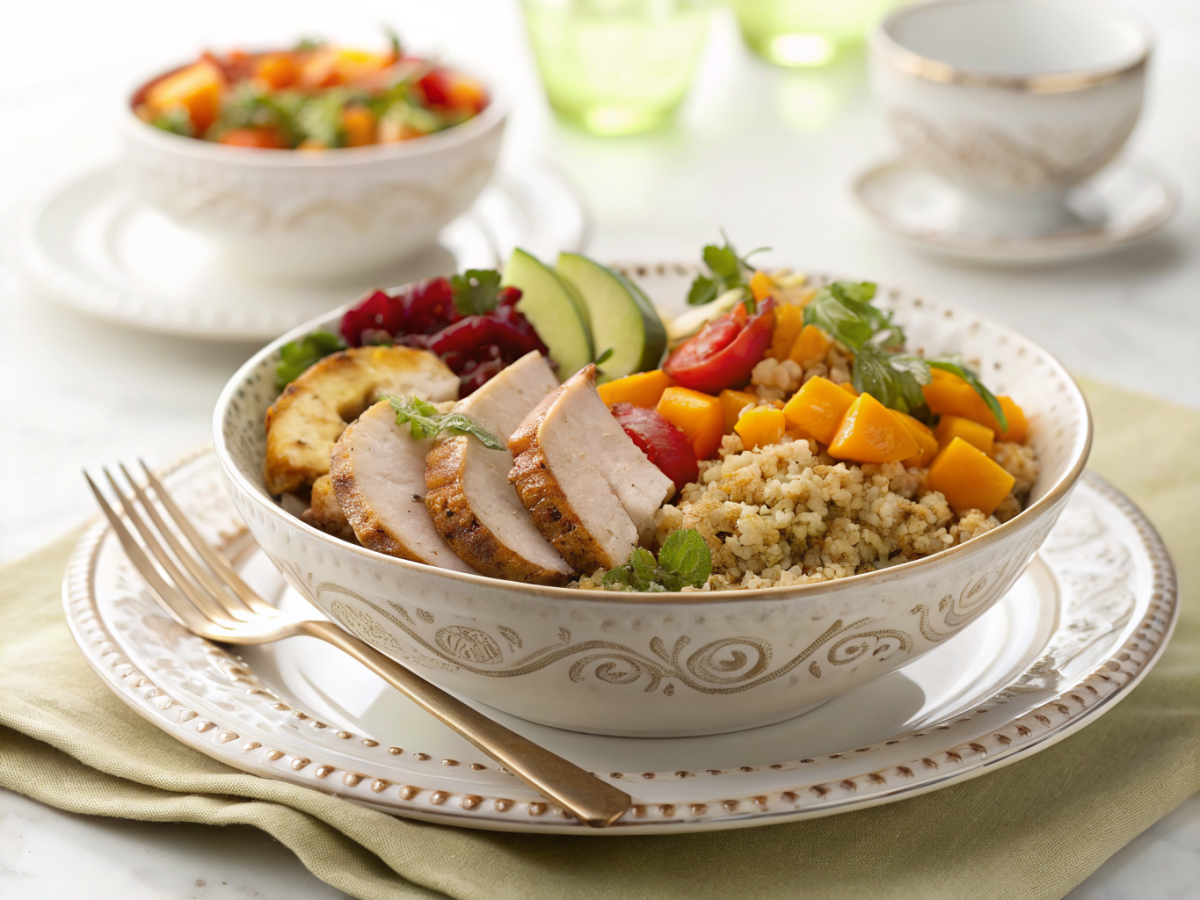
SIBO Turkey And Quinoa Bowl Everyone Will Ask You To Make Again
Ingredients
Method
- In a medium saucepan, combine quinoa and low FODMAP chicken broth. Bring to a boil, then reduce heat to low, cover, and simmer for 15-20 minutes until liquid is absorbed and quinoa is fluffy.
- While quinoa cooks, heat 1 tablespoon olive oil in a large skillet over medium heat. Add diced carrots and cook for 5-7 minutes until slightly softened.
- Push carrots to the side of the skillet and add remaining olive oil. Add ground turkey, breaking it up with a wooden spoon. Cook for 8-10 minutes until browned and cooked through.
- Add oregano, salt, and pepper to the turkey and carrot mixture. Stir well to combine all ingredients evenly.
- Add fresh spinach to the skillet and stir until wilted, about 2-3 minutes.
- Fluff the cooked quinoa with a fork and divide among four bowls. Top each bowl with the turkey and vegetable mixture.
- Serve immediately while warm. Drizzle with additional olive oil if desired.
Nutrition
Notes
Tried this recipe?
Let us know how it was!SIBO Turkey And Quinoa Bowl: 5 Easy Tips for Perfect Results
Creating the perfect SIBO-friendly meal requires attention to ingredient selection and preparation methods. This bowl combines ground turkey with quinoa, both excellent choices for those managing small intestinal bacterial overgrowth. The key is using low-FODMAP vegetables and herbs that won’t trigger digestive discomfort.
The first tip is to rinse your quinoa thoroughly before cooking to remove saponins, which can irritate sensitive digestive systems. Second, cook your turkey with garlic-infused oil instead of fresh garlic to capture flavor without the high FODMAP content. Third, stick to SIBO-safe vegetables like carrots, zucchini, and spinach in moderate portions.
Fourth, season generously with fresh herbs like basil, cilantro, and chives, which add flavor without digestive consequences. Finally, prepare your ingredients separately and combine them just before serving to maintain optimal texture and freshness. These five strategies ensure your bowl is both delicious and gentle on your digestive system.
Why You’ll Love This SIBO Turkey And Quinoa Bowl
This recipe stands out because it addresses the unique challenges of eating with SIBO while never compromising on taste or satisfaction. Unlike many restrictive diet recipes, this bowl feels like a complete, restaurant-quality meal. The combination of textures—from fluffy quinoa to savory turkey and crisp vegetables—creates an eating experience that’s genuinely enjoyable.
The nutritional profile is impressive, delivering high-quality protein, complex carbohydrates, and essential vitamins in every serving. Turkey provides lean protein that supports muscle maintenance and satiety without excessive fat. Quinoa offers complete protein with all nine essential amino acids, plus fiber that’s generally well-tolerated in appropriate portions.
Meal prep enthusiasts will appreciate how well this recipe scales and stores. You can batch-cook components on Sunday and assemble fresh bowls throughout the week. The flavors actually improve after a day in the refrigerator as the seasonings meld together, making leftovers something to look forward to rather than tolerate.
This bowl fits seamlessly into various eating patterns beyond SIBO management. It’s naturally gluten-free, dairy-free, and can be adapted for paleo or Whole30 protocols. For anyone seeking nutritious meal options that support overall wellness, this recipe delivers exceptional versatility without requiring a pantry full of specialty ingredients.
Core Ingredients for SIBO Turkey And Quinoa Bowl
The foundation of this recipe starts with one pound of ground turkey, preferably 93% lean for optimal protein-to-fat ratio. Choose organic, pasture-raised turkey when possible for better nutrient density and cleaner sourcing. The mild flavor of turkey serves as an excellent canvas for the herbs and seasonings that make this bowl memorable.
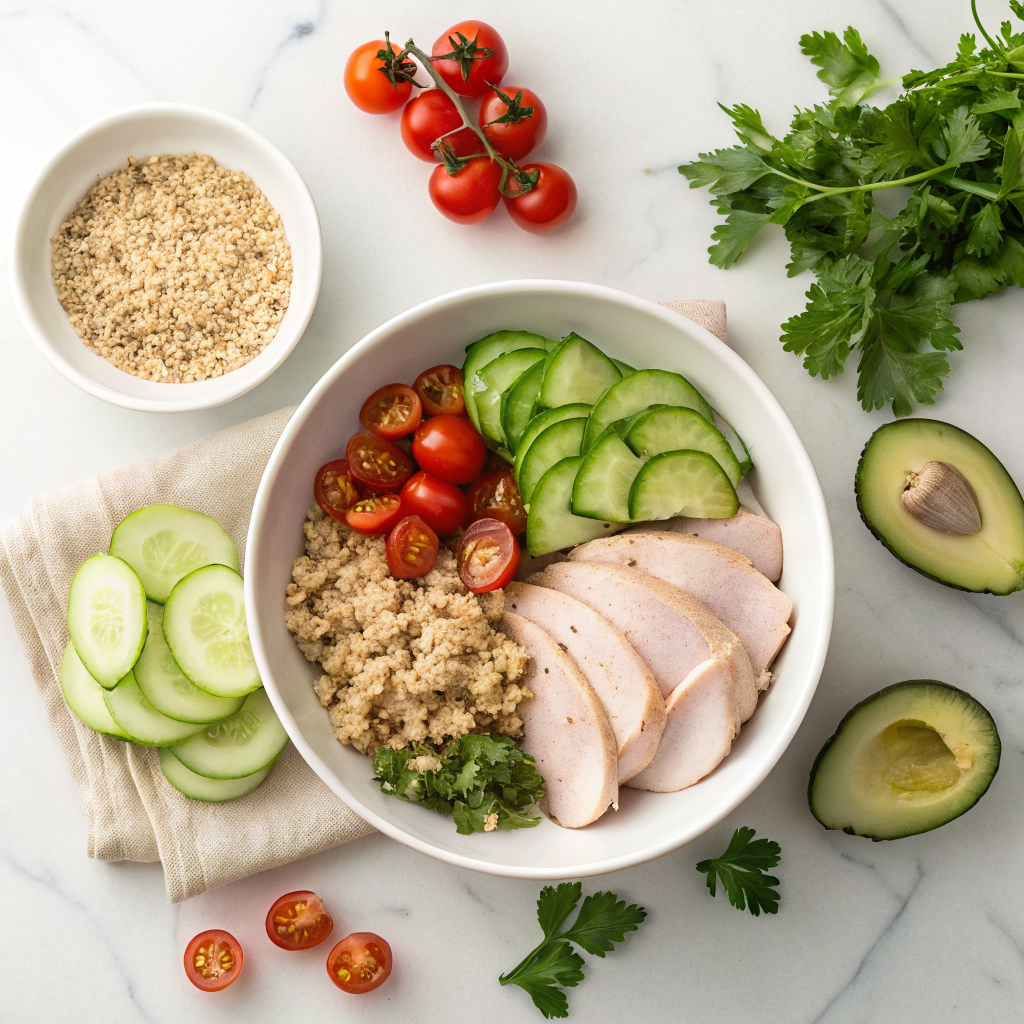
Quinoa forms the grain base, with one cup of dry quinoa yielding approximately three cups cooked. White quinoa cooks fastest and has the mildest flavor, though red or tri-color varieties work equally well. This ancient grain provides sustained energy without the blood sugar spikes associated with refined grains, making it ideal for stable energy throughout the day.
For vegetables, select SIBO-friendly options that add color, nutrition, and crunch without triggering symptoms. One medium zucchini, diced, provides moisture and mild flavor. Two medium carrots, julienned or diced, contribute natural sweetness and beta-carotene. Two cups of fresh spinach wilts down beautifully, adding iron and folate without overwhelming the bowl.
Seasoning components include garlic-infused olive oil (two tablespoons), which delivers garlic flavor without the problematic fructans. Fresh ginger (one teaspoon, grated) aids digestion while adding warmth. Sea salt (one teaspoon) and black pepper (half teaspoon) enhance all flavors. Fresh herbs—quarter cup each of cilantro and basil—bring brightness and aromatic complexity.
Additional ingredients include two tablespoons of coconut aminos or tamari for umami depth, one tablespoon of rice vinegar for acidity, and optional sesame seeds for garnish. These components work together to create a balanced flavor profile that satisfies without relying on high-FODMAP ingredients. For those exploring high-protein meal options, this combination delivers exceptional nutritional value.
Ingredient Quality Matters
Sourcing high-quality ingredients significantly impacts both flavor and digestive tolerance. Organic vegetables contain fewer pesticide residues that can irritate sensitive digestive systems. Look for turkey that’s been raised without antibiotics or added hormones, as these can affect gut bacteria balance.
Quinoa quality varies considerably between brands. Choose pre-washed quinoa or rinse thoroughly until water runs clear to remove bitter saponins. Store quinoa in an airtight container in a cool, dark place to prevent rancidity. Fresh herbs should be vibrant and aromatic; wilted herbs lose both flavor and nutritional value.
Garlic-infused oil can be purchased pre-made or created at home by gently heating olive oil with whole garlic cloves, then removing the solids. This method captures the flavor compounds without the FODMAPs that remain in the garlic itself. Always use high-quality extra virgin olive oil as your base for maximum health benefits and flavor.
How to Make SIBO Turkey And Quinoa Bowl: Step-by-Step
Begin by preparing your quinoa, as this takes the longest to cook. Rinse one cup of quinoa under cold water in a fine-mesh strainer for 30 seconds. Combine rinsed quinoa with two cups of water or low-FODMAP broth in a medium saucepan. Bring to a boil over high heat, then reduce to low, cover, and simmer for 15 minutes until liquid is absorbed.
While quinoa cooks, prepare your vegetables. Dice the zucchini into half-inch cubes, julienne or dice the carrots into matchsticks or small pieces, and roughly chop your spinach if leaves are large. Keep vegetables separate until cooking time. Mince your fresh herbs and grate your ginger, setting these aside for later use.
Heat one tablespoon of garlic-infused olive oil in a large skillet over medium-high heat. Add the ground turkey, breaking it apart with a wooden spoon. Season with half teaspoon of sea salt and quarter teaspoon of black pepper. Cook for 6-8 minutes, stirring occasionally, until turkey is fully cooked with no pink remaining and begins to brown slightly.
Add the grated ginger to the turkey and cook for 30 seconds until fragrant. Push the turkey to one side of the pan and add the remaining tablespoon of garlic-infused oil to the empty side. Add carrots and zucchini to the oil, sautéing for 3-4 minutes until vegetables soften but retain some crunch.
Combine the turkey and vegetables in the pan, then add the spinach. Stir for 1-2 minutes until spinach wilts completely. Add coconut aminos and rice vinegar, stirring to coat everything evenly. Taste and adjust seasoning with additional salt and pepper if needed. Remove from heat and stir in half of the fresh herbs.
Fluff the cooked quinoa with a fork and divide it among four serving bowls. Top each quinoa portion with the turkey and vegetable mixture, distributing evenly. Garnish with remaining fresh herbs and sesame seeds if using. Serve immediately while hot, or allow to cool for meal prep storage. This straightforward process works perfectly for weeknight dinner recipes that need to come together quickly.
Cooking Tips for Best Results
Temperature control is crucial for perfectly cooked turkey. Medium-high heat allows the meat to brown slightly, developing deeper flavor through the Maillard reaction. Avoid overcrowding the pan, which causes steaming instead of browning. If using a smaller pan, cook turkey in batches for better results.
Don’t overcook your vegetables. SIBO-friendly vegetables should retain some texture to aid mechanical digestion. Overcooked vegetables become mushy and less appealing. The residual heat after removing from the stove will continue cooking them slightly, so remove from heat when they’re just tender-crisp.
Let quinoa rest for five minutes after cooking before fluffing. This allows the grains to firm up slightly and separate more easily. If quinoa seems wet after the resting period, return it to low heat uncovered for 2-3 minutes to evaporate excess moisture.
Nutrition & Health Benefits
Each serving of this bowl provides approximately 380 calories with a macronutrient breakdown of 35 grams of protein, 38 grams of carbohydrates, and 10 grams of healthy fats. This balanced ratio supports stable blood sugar levels and sustained energy. The high protein content promotes satiety, helping you feel full and satisfied for hours after eating.
Turkey is an excellent source of selenium, a mineral that supports thyroid function and acts as a powerful antioxidant. It also provides B vitamins, particularly B6 and niacin, which are essential for energy metabolism and nervous system health. The lean protein supports muscle maintenance and repair without the saturated fat found in fattier meats.
Quinoa contributes significant amounts of magnesium, iron, and zinc. Magnesium supports over 300 enzymatic reactions in the body, including muscle and nerve function. The iron in quinoa, while non-heme, is enhanced by the vitamin C in vegetables, improving absorption. Quinoa’s complete protein profile makes it particularly valuable for those reducing animal protein intake.
The vegetables provide a spectrum of phytonutrients and antioxidants. Carrots deliver beta-carotene, which converts to vitamin A for eye health and immune function. Zucchini offers potassium and vitamin C while remaining low in fermentable carbohydrates. Spinach provides folate, vitamin K, and iron, supporting blood health and bone density.
For digestive health specifically, this recipe offers several advantages. The moderate fiber content from quinoa and vegetables supports regular bowel movements without overwhelming a sensitive system. Ginger has been studied for its anti-inflammatory and digestive properties, potentially easing nausea and supporting gut motility. The absence of high-FODMAP ingredients reduces fermentation in the small intestine, the primary concern for SIBO management.
SIBO-Specific Benefits
Managing SIBO requires careful attention to fermentable carbohydrates that feed bacterial overgrowth. This recipe minimizes FODMAPs while maximizing nutrition. Quinoa, in the portions used here, falls within low-FODMAP serving sizes for most individuals. The cooking process further reduces FODMAP content by allowing some to leach into the cooking water.
The protein-forward nature of this bowl slows gastric emptying, which can help regulate the migrating motor complex (MMC). The MMC is the cleansing wave that moves through the digestive tract between meals, sweeping bacteria back to the colon where they belong. Supporting proper MMC function is crucial for preventing SIBO recurrence.
Anti-inflammatory ingredients like ginger and olive oil may help reduce intestinal inflammation that often accompanies SIBO. Chronic inflammation can damage the intestinal lining, contributing to increased permeability and nutrient malabsorption. The nutrients in this bowl support intestinal healing while avoiding irritating compounds.
Variations & Substitutions
Protein variations allow you to customize this bowl to your preferences or what’s available. Ground chicken works identically to turkey with similar cooking times and nutritional profiles. For a richer flavor, try ground lamb or bison, though these contain more fat. Firm tofu, crumbled and pressed, creates a plant-based version, though ensure it fits within your SIBO protocol.
Grain alternatives can replace quinoa while maintaining the bowl concept. White rice is lower in fiber and may be better tolerated during SIBO flare-ups. Millet offers a similar texture to quinoa with a slightly nuttier flavor. For those avoiding grains entirely, cauliflower rice provides volume and texture without the carbohydrates, though it reduces the protein content significantly.
Vegetable substitutions depend on your individual tolerance and SIBO phase. Bok choy, green beans, and bell peppers (in small amounts) all work well in this recipe. Avoid high-FODMAP vegetables like onions, asparagus, and cauliflower in large quantities. Always introduce new vegetables individually to assess tolerance rather than trying multiple new foods at once.
Seasoning variations can completely transform the flavor profile. For Mediterranean-inspired bowls, use oregano, thyme, and lemon juice instead of ginger and coconut aminos. An Asian-fusion version might include five-spice powder and fresh mint. Mexican-inspired bowls benefit from cumin, paprika, and fresh cilantro with a squeeze of lime.
Adapting for Different Dietary Needs
For those following a low-histamine protocol alongside SIBO management, use fresh turkey rather than ground (which oxidizes quickly), skip the vinegar, and use only fresh herbs. Cook and consume immediately rather than storing, as histamine levels increase in leftovers. Substitute lemon juice for vinegar if acidity is needed.
Autoimmune protocol (AIP) adaptations require removing seeds (including quinoa) and nightshades. Replace quinoa with white rice or additional vegetables. Ensure all seasonings are AIP-compliant, avoiding seed-based spices. This version focuses more heavily on the turkey and vegetables, creating a simpler but still satisfying meal.
For athletes or those with higher caloric needs, increase the turkey to 1.5 pounds and add a quarter cup of olive oil to the quinoa after cooking. Include a handful of low-FODMAP nuts like macadamias or pecans for additional calories and healthy fats. These modifications boost the calorie count to approximately 550 per serving while maintaining digestive friendliness.
Serving Suggestions
This bowl shines as a complete meal on its own, but strategic additions can enhance the experience. A dollop of lactose-free yogurt or coconut yogurt adds creaminess and beneficial probiotics. Ensure any probiotic additions align with your current SIBO treatment phase, as some protocols restrict probiotics during active treatment.
A drizzle of tahini thinned with lemon juice and water creates a creamy, nutty sauce that complements the savory turkey. Keep portions small—one to two tablespoons—as sesame can be high in FODMAPs in larger amounts. The healthy fats in tahini also aid absorption of fat-soluble vitamins from the vegetables.
Fresh lemon or lime wedges served alongside allow each person to add brightness to taste. Citrus juice enhances iron absorption from the quinoa and spinach while adding vitamin C. The acidity also aids in protein digestion, making this a functional as well as flavorful addition.
For a more substantial meal, serve with a side of low-FODMAP vegetables like roasted carrots, steamed green beans, or a simple green salad with olive oil dressing. Keep portions moderate to avoid overwhelming your digestive system. The goal is satisfaction without excessive volume, which can slow digestion and exacerbate SIBO symptoms.
Presentation Ideas
Visual appeal matters, especially when dietary restrictions limit variety. Use wide, shallow bowls that allow you to arrange components attractively rather than piling everything together. Place quinoa in the center, arrange turkey and vegetables around the edges, and garnish generously with fresh herbs for a restaurant-quality presentation.
Color contrast makes the dish more appealing. The white quinoa, brown turkey, orange carrots, green zucchini, and vibrant herbs create a naturally colorful plate. Add edible flowers like nasturtiums or pansies for special occasions—these are low-FODMAP and add visual drama without affecting flavor significantly.
Serve in meal prep containers with compartments to keep components separate until eating time. This prevents sogginess and allows you to refresh the bowl with a quick reheat. Mason jar salads work beautifully with dressing on the bottom, quinoa next, then turkey and vegetables, topped with fresh herbs to add just before eating.
Common Mistakes to Avoid
The most frequent error is using regular garlic instead of garlic-infused oil. Fresh garlic is high in fructans, a FODMAP that feeds bacterial overgrowth in the small intestine. Even small amounts can trigger symptoms in sensitive individuals. Always use properly prepared garlic-infused oil where the garlic solids have been removed completely.
Overcooking quinoa results in mushy, unappetizing grains that lack the pleasant, slightly chewy texture that makes this grain enjoyable. Follow the 2:1 water-to-quinoa ratio precisely and set a timer. Resist the urge to stir quinoa while it cooks, as this releases excess starch and creates a gummy texture.
Using too many vegetables or excessively large portions defeats the purpose of a SIBO-friendly meal. Even low-FODMAP vegetables contain some fermentable carbohydrates, and portion size matters significantly. Stick to the recommended amounts, especially when first introducing this recipe. You can gradually increase portions if well-tolerated.
Skipping the rinsing step for quinoa leaves bitter saponins on the grain’s surface. These naturally occurring compounds protect the seed from pests but taste unpleasant and can irritate sensitive digestive systems. Even pre-rinsed quinoa benefits from a quick rinse to ensure all saponins are removed.
Seasoning Pitfalls
Under-seasoning is common when cooking for digestive issues, as people fear spices will cause problems. However, most herbs and spices are low-FODMAP and well-tolerated. Salt, pepper, ginger, and fresh herbs enhance flavor significantly without digestive consequences. Season confidently, tasting as you go.
Conversely, some seasonings can be problematic. Onion and garlic powder contain concentrated FODMAPs and should be avoided. Many commercial spice blends include these ingredients, so read labels carefully. Stick to single-ingredient spices and fresh herbs to maintain control over FODMAP content.
Adding acidic ingredients too early can toughen the turkey. Wait until the end of cooking to add vinegar or citrus juice. These ingredients also help deglaze the pan, picking up flavorful browned bits from the bottom and incorporating them into the dish for enhanced taste.
Storage & Meal Prep Tips
This recipe excels for meal preparation, with components storing well for 4-5 days in the refrigerator. Store quinoa, turkey mixture, and fresh herbs separately in airtight containers. This separation prevents sogginess and allows you to refresh herbs at serving time. Glass containers are preferable to plastic, as they don’t absorb odors or stain.
Cool all components completely before refrigerating to prevent condensation, which creates excess moisture and reduces storage life. Spread cooked quinoa on a baking sheet to cool quickly, then transfer to storage containers. The turkey mixture can cool in the pan, stirred occasionally to release heat evenly.
For reheating, add a tablespoon of water or broth to the turkey mixture to prevent drying. Microwave in 30-second intervals, stirring between each, until heated through. Alternatively, reheat in a skillet over medium heat for better texture. Quinoa reheats well in the microwave with a damp paper towel over the container to add moisture.
Freezing works for the turkey mixture but not for the quinoa, which becomes mushy upon thawing. Freeze turkey in portion-sized containers for up to three months. Thaw overnight in the refrigerator and reheat thoroughly before serving. Cook fresh quinoa when using frozen turkey for the best texture and flavor.
Batch Cooking Strategies
Double or triple the recipe to maximize your meal prep efficiency. Cook multiple pounds of turkey in a large skillet or Dutch oven, adjusting seasonings proportionally. Large batches of quinoa cook well in a rice cooker, freeing up stovetop space for other components.
Prep vegetables in advance by washing, drying, and cutting them, then storing in containers lined with paper towels to absorb excess moisture. Pre-cut vegetables last 3-4 days, making weeknight assembly quick and easy. Keep herbs in a glass of water in the refrigerator, covered loosely with a plastic bag, to maintain freshness.
Create a meal prep assembly line on Sunday: cook all quinoa, brown all turkey, prep all vegetables, and portion into containers. Label containers with dates and contents. This system allows you to grab and go on busy mornings or quickly reheat for dinner after a long day.
Final Thoughts on SIBO Turkey And Quinoa Bowl
This SIBO Turkey And Quinoa Bowl represents the perfect intersection of therapeutic eating and culinary satisfaction. Managing digestive issues doesn’t mean sacrificing flavor, variety, or enjoyment of food. This recipe proves that with thoughtful ingredient selection and proper preparation techniques, you can create meals that support healing while genuinely tasting delicious.
The versatility of this bowl makes it a valuable addition to your recipe rotation. Whether you’re in an elimination phase of SIBO treatment, maintaining remission, or simply seeking nutritious meals that happen to be gut-friendly, this recipe adapts to your needs. The straightforward preparation and reliable results build confidence in the kitchen, especially important when navigating dietary restrictions.
Beyond the immediate benefits of a satisfying meal, this recipe teaches valuable principles applicable to other SIBO-friendly cooking. Understanding how to build flavor with low-FODMAP ingredients, properly cook grains and proteins, and balance nutrition within dietary constraints empowers you to create your own recipes. These skills transform restriction into creativity rather than limitation.
The positive feedback you’ll receive when serving this bowl to family and friends demonstrates that “special diet” food can appeal to everyone. Non-SIBO diners consistently enjoy this recipe, making it perfect for shared meals where accommodating different needs is important. You won’t feel isolated or different when everyone’s asking for seconds of your SIBO Turkey And Quinoa Bowl.
Frequently Asked Questions
Can I make this SIBO Turkey And Quinoa Bowl with chicken instead of turkey?
Yes, ground chicken works perfectly as a substitute for turkey in this recipe. Use the same cooking method and timing, as both poultry types have similar textures and cook at comparable rates. Chicken provides nearly identical nutritional benefits and maintains the low-FODMAP profile essential for SIBO management. Choose organic, pasture-raised chicken when possible for optimal nutrient density and cleaner sourcing that supports overall gut health.
How long does the SIBO Turkey And Quinoa Bowl last in the refrigerator?
