
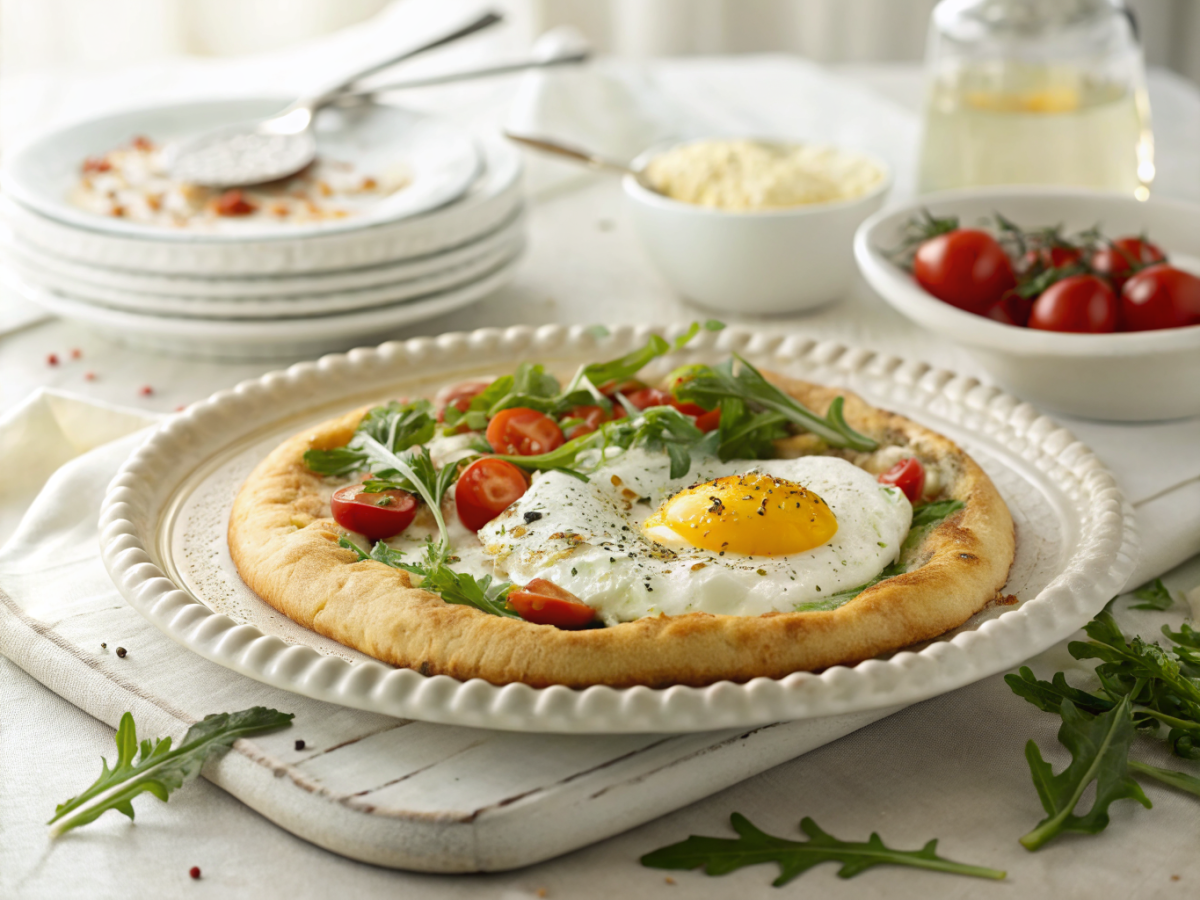
Cottage Cheese And Egg Pizza Crust Everyone Will Ask You To Make Again
Ingredients
Method
- Preheat your oven to 375 degrees Fahrenheit. Line a baking sheet or pizza pan with parchment paper and lightly grease it with cooking spray.
- In a blender or food processor, combine cottage cheese, eggs, Parmesan cheese, mozzarella cheese, almond flour, garlic powder, Italian seasoning, salt, and pepper. Blend until smooth and well combined, about 30 seconds.
- Pour the mixture onto the prepared baking sheet and spread it into a circle or rectangle about 1/4 inch thick, using a spatula to create an even layer.
- Bake the crust for 20-25 minutes, or until the edges are golden brown and the center is set and firm to the touch.
- Remove the crust from the oven and add your favorite pizza sauce, cheese, and toppings.
- Return the pizza to the oven and bake for an additional 8-10 minutes, until the cheese is melted and bubbly.
- Let the pizza cool for 2-3 minutes before slicing. Cut into wedges and serve immediately.
Nutrition
Notes
Tried this recipe?
Let us know how it was!Cottage Cheese And Egg Pizza Crust: 5 Easy Tips
Creating the perfect cottage cheese and egg pizza crust requires attention to a few key details that make all the difference. The moisture content of your cottage cheese plays a crucial role in achieving the right consistency. Always drain excess liquid from your cottage cheese before mixing to prevent a soggy crust that won’t hold up under toppings.
Temperature control is essential when baking this unique crust. Preheating your oven to the correct temperature ensures even cooking and proper browning. A hot oven helps set the proteins quickly, creating a sturdy base that can support all your favorite toppings without falling apart.
The thickness of your crust matters significantly for the final texture. Spreading the mixture too thin results in a crispy, cracker-like base, while a thicker application yields a more bread-like consistency. Aim for about a quarter-inch thickness for the ideal balance between crispy edges and a tender center.
Blending your cottage cheese until completely smooth eliminates lumps and creates a more uniform texture throughout the crust. This step is particularly important if you’re using large-curd cottage cheese. A food processor or high-powered blender works best for achieving that silky consistency that binds beautifully with the eggs.
Pre-baking the crust before adding toppings is non-negotiable for success. This initial baking phase sets the structure and prevents sogginess when you add sauce and cheese. Allow the crust to cool slightly after pre-baking, which makes it easier to handle and helps toppings adhere better during the final bake.
Why You’ll Love This Cottage Cheese And Egg Pizza Crust
This innovative crust delivers an impressive protein punch that traditional pizza bases simply cannot match. Each serving provides substantial amounts of high-quality protein from both the cottage cheese and eggs. This makes it an excellent choice for fitness enthusiasts, athletes, or anyone looking to increase their protein intake while enjoying comfort food.
The simplicity of this recipe makes it accessible to cooks of all skill levels. You don’t need specialized equipment or hard-to-find ingredients to create restaurant-quality results. Most people already have these basic ingredients in their refrigerator, making this a convenient option for spontaneous pizza cravings.
For those managing dietary restrictions, this crust offers incredible versatility. It’s naturally gluten-free, making it safe for those with celiac disease or gluten sensitivity. The low-carb nature of this crust also makes it suitable for ketogenic and low-carbohydrate diets, allowing you to enjoy pizza without derailing your nutritional goals.
The flavor profile of this crust is surprisingly neutral and complementary to various toppings. Unlike some alternative crusts that have overpowering tastes, the cottage cheese provides a mild, slightly tangy background that enhances rather than competes with your chosen toppings. This versatility means you can create everything from classic margherita to adventurous gourmet combinations.
Budget-conscious home cooks will appreciate the affordability of this recipe. Cottage cheese and eggs are typically inexpensive staples that offer excellent nutritional value for the cost. You can create multiple pizza crusts for less than the price of a single takeout pizza, making this an economical choice for families.
Core Ingredients for Cottage Cheese And Egg Pizza Crust
The star ingredient, cottage cheese, forms the foundation of this unique crust. Choose full-fat cottage cheese for the richest flavor and best texture, though low-fat versions work if you prefer. The curds provide structure while the dairy contributes moisture and a subtle tanginess that enhances the overall taste profile.
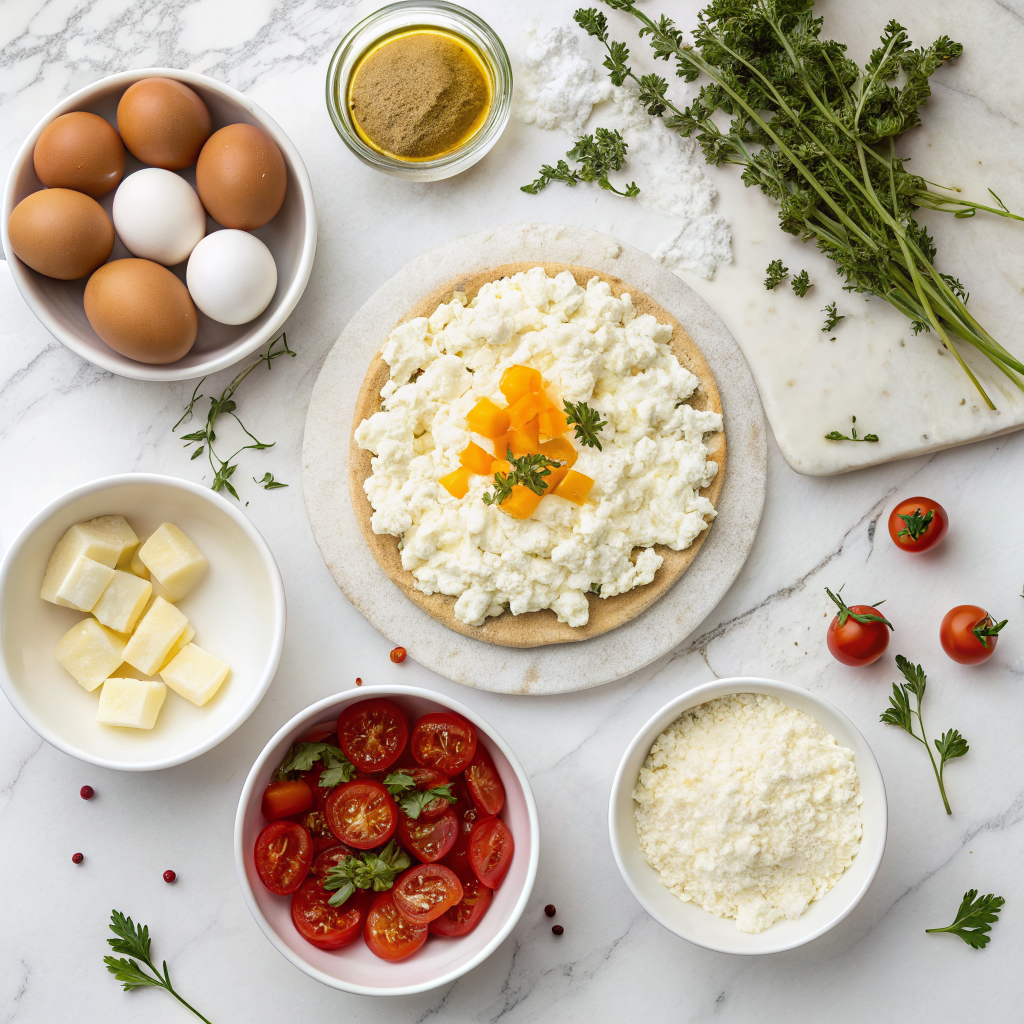
Eggs serve as the binding agent that holds everything together while adding protein and structure. Large eggs work best for this recipe, and they should be at room temperature for optimal mixing. The eggs create a network of proteins that solidify during baking, giving the crust its characteristic texture and stability.
Grated Parmesan cheese adds depth of flavor and helps with browning during baking. The aged, salty notes of Parmesan complement the mild cottage cheese beautifully. This ingredient also contributes to the structural integrity of the crust, helping it hold together better than cottage cheese and eggs alone.
Italian seasoning brings aromatic complexity to the crust without overwhelming the other ingredients. A blend of oregano, basil, thyme, and rosemary infuses the base with classic pizza flavors. You can adjust the amount based on your preference or substitute with your favorite herb combination.
Garlic powder provides savory depth that makes this crust taste more like traditional pizza dough. This ingredient is optional but highly recommended for maximum flavor impact. Fresh minced garlic can be substituted, though powder distributes more evenly throughout the mixture.
A pinch of salt enhances all the other flavors and balances the slight tanginess of the cottage cheese. Don’t skip this ingredient, as it’s crucial for bringing out the best in your crust. However, be mindful that both cottage cheese and Parmesan contain sodium, so taste before adding extra.
For those interested in exploring more high-protein recipes, this crust fits perfectly into a protein-rich eating plan. The combination of dairy and eggs provides complete proteins with all essential amino acids your body needs.
How to Make Cottage Cheese And Egg Pizza Crust: Step-by-Step
Begin by preheating your oven to 375°F (190°C) and lining a large baking sheet with parchment paper. The parchment prevents sticking and makes cleanup effortless. Alternatively, you can use a silicone baking mat, which provides excellent non-stick properties and is reusable for an eco-friendly option.
Place the cottage cheese in a food processor or high-powered blender and process until completely smooth. This crucial step eliminates lumps and creates a uniform consistency that blends seamlessly with the other ingredients. Blend for at least 30 seconds, scraping down the sides as needed to ensure no curds remain.
Transfer the blended cottage cheese to a large mixing bowl and add the eggs. Whisk vigorously until the eggs are fully incorporated and the mixture is homogeneous. The color should be uniform throughout, with no streaks of egg white visible in the mixture.
Stir in the grated Parmesan cheese, Italian seasoning, garlic powder, and salt. Mix thoroughly to distribute the seasonings evenly throughout the batter. The consistency should resemble a thick pancake batter that holds its shape slightly but still flows when poured.
Pour the mixture onto the prepared baking sheet and use a spatula to spread it into a circular or rectangular shape. Aim for approximately a quarter-inch thickness for optimal results. Create a slightly raised edge around the perimeter to help contain toppings later.
Bake the crust for 25-30 minutes until the edges turn golden brown and the center appears set. The surface should look dry rather than wet or shiny. A properly baked crust will have slight browning on top and feel firm to the touch.
Remove the crust from the oven and allow it to cool for 5 minutes before adding toppings. This cooling period helps the structure set completely, making it easier to handle. The crust will continue to firm up slightly as it cools.
Add your desired pizza sauce, cheese, and toppings to the pre-baked crust. Return it to the oven for an additional 10-15 minutes until the cheese melts and toppings are heated through. Watch carefully during this final bake to prevent over-browning.
Let the finished pizza rest for 2-3 minutes before slicing and serving. This brief resting period allows the cheese to set slightly, making clean slices easier to achieve. Use a sharp pizza cutter or chef’s knife for the cleanest cuts through the crust.
This recipe pairs wonderfully with other items from our collection of breads and baked goods, offering a protein-rich alternative to traditional flour-based options.
Nutrition & Health Benefits
The protein content of this crust is exceptionally high compared to traditional pizza bases. A single serving provides approximately 15-20 grams of protein, depending on portion size. This macronutrient supports muscle maintenance, promotes satiety, and helps stabilize blood sugar levels throughout the day.
Cottage cheese contributes significant amounts of calcium, which is essential for bone health and proper muscle function. One serving of this crust can provide up to 15% of your daily calcium needs. This mineral also plays important roles in nerve transmission and blood clotting.
The eggs in this recipe deliver a wealth of essential vitamins and minerals, including vitamin B12, selenium, and choline. Vitamin B12 supports energy metabolism and nervous system function. Choline is particularly important for brain health and liver function, yet many people don’t consume adequate amounts.
This crust is naturally low in carbohydrates, typically containing only 5-8 grams per serving. For comparison, a traditional wheat-based pizza crust can contain 30-40 grams of carbs per slice. This makes it an excellent option for those managing blood sugar or following low-carb eating patterns.
The absence of refined grains means this crust won’t cause the blood sugar spikes associated with traditional pizza. The protein and fat content work together to provide sustained energy without the crash. This steady energy release helps maintain focus and prevents the afternoon slump many people experience after carb-heavy meals.
For individuals with gluten intolerance or celiac disease, this crust offers a safe and delicious alternative. Cross-contamination isn’t a concern when you make it at home with dedicated equipment. The texture and satisfaction level rival gluten-containing crusts, so you won’t feel deprived.
According to nutritional research on cottage cheese benefits, this dairy product offers impressive health advantages beyond just protein content. It contains beneficial probiotics that support digestive health and immune function when choosing cultured varieties.
Variations & Substitutions
For a dairy-free version, substitute the cottage cheese with blended silken tofu and add nutritional yeast for cheesy flavor. The tofu provides similar protein content and binding properties. Blend the tofu until completely smooth and add a tablespoon of lemon juice to mimic the tanginess of cottage cheese.
Ricotta cheese can replace cottage cheese for a slightly different texture and flavor profile. Ricotta creates a more tender, delicate crust with a milder taste. Ensure you drain excess moisture from the ricotta before using, as it tends to be wetter than cottage cheese.
Add almond flour or coconut flour to create a sturdier, more bread-like texture. Start with two to three tablespoons and adjust based on your preferred consistency. These additions also increase the fiber content and help the crust hold together better when loaded with heavy toppings.
Experiment with different cheese varieties in place of Parmesan for unique flavor profiles. Romano cheese offers a sharper, saltier taste, while Asiago provides nutty undertones. Mixing different aged cheeses creates complex flavor dimensions that elevate your pizza experience.
Incorporate finely chopped fresh herbs directly into the crust mixture for bursts of fresh flavor. Basil, oregano, and thyme work particularly well with pizza toppings. Fresh herbs provide more vibrant flavor than dried versions, though you’ll need to use three times the amount.
For a Mediterranean twist, add sun-dried tomatoes and olives to the crust batter. Chop these ingredients finely so they distribute evenly throughout the mixture. This variation pairs beautifully with feta cheese and Greek-inspired toppings.
Create a breakfast pizza by adding everything bagel seasoning to the crust mixture. Top the pre-baked crust with scrambled eggs, bacon, and cheese for a protein-packed morning meal. This versatile base works just as well for breakfast as it does for dinner.
Those looking for more quick and easy meals will appreciate how adaptable this crust is to various flavor profiles and topping combinations.
Serving Suggestions
Classic margherita toppings complement this crust beautifully without overwhelming its subtle flavor. Spread a thin layer of tomato sauce, add fresh mozzarella slices, and finish with fresh basil leaves after baking. A drizzle of high-quality olive oil and a sprinkle of sea salt elevate this simple combination.
For a white pizza variation, skip the tomato sauce and use ricotta or Alfredo sauce as the base. Add sautéed garlic, spinach, and a blend of Italian cheeses for a rich, creamy pizza. This combination highlights the mild tanginess of the cottage cheese crust.
Create a breakfast pizza by topping the crust with scrambled eggs, crumbled breakfast sausage, and shredded cheddar. Add diced bell peppers and onions for extra vegetables and flavor. This hearty option provides sustained energy to power through your morning.
Mediterranean-inspired toppings work exceptionally well with the slightly tangy crust. Try hummus as a sauce base, topped with roasted red peppers, artichoke hearts, kalamata olives, and feta cheese. Fresh arugula added after baking provides a peppery contrast to the rich toppings.
BBQ chicken pizza is a crowd-pleasing option that balances sweet and savory flavors. Use barbecue sauce instead of marinara, then add shredded rotisserie chicken, red onions, and cilantro. A blend of mozzarella and sharp cheddar creates the perfect melty cheese layer.
Serve your pizza alongside a crisp green salad for a complete, balanced meal. The fresh vegetables provide fiber and additional nutrients while offering textural contrast. A simple vinaigrette with lemon juice and olive oil complements the richness of the pizza without competing with its flavors.
Pair your pizza with roasted vegetables for a nutrient-dense dinner that satisfies all food groups. Roasted Brussels sprouts, carrots, or broccoli make excellent side dishes. The caramelized edges of roasted vegetables echo the golden-brown crust of your pizza.
Common Mistakes to Avoid
Using cottage cheese straight from the container without draining excess liquid is the most common error. This extra moisture creates a soggy crust that won’t crisp properly. Place the cottage cheese in a fine-mesh strainer for 10 minutes before blending to remove excess whey.
Failing to blend the cottage cheese completely smooth results in a lumpy, uneven texture. Visible curds in the finished crust can be off-putting and affect the overall eating experience. Take the time to blend thoroughly, scraping down the sides of your blender or food processor as needed.
Spreading the mixture too thin creates a crust that’s overly crispy and fragile. While some people enjoy a cracker-like texture, most prefer a crust with more substance. Maintain at least a quarter-inch thickness throughout for the best balance of crispy and tender.
Skipping the pre-baking step leads to a soggy, undercooked crust that can’t support toppings. The initial bake sets the structure and creates a barrier against moisture from sauce and toppings. Always fully pre-bake the crust before adding any toppings for optimal results.
Adding toppings while the crust is still hot from pre-baking can cause them to slide off. Allow the crust to cool for at least 5 minutes before topping. This cooling period also makes the crust easier to handle and reduces the risk of burns.
Overloading the crust with heavy toppings overwhelms its structure and can cause it to fall apart. This protein-based crust is sturdy but not as robust as thick, yeast-based doughs. Choose toppings thoughtfully and distribute them evenly for the best structural integrity.
Cutting the pizza immediately after removing it from the oven results in messy slices. The cheese and toppings need a few minutes to set slightly. Patience during this brief resting period pays off with cleaner slices that hold together beautifully.
For additional guidance on avoiding common cooking pitfalls, consult comprehensive cooking science resources that explain the chemistry behind successful recipes.
Storage & Meal Prep Tips
Pre-baked crusts store exceptionally well in the refrigerator for up to 5 days when properly wrapped. Allow the crust to cool completely, then wrap tightly in plastic wrap or aluminum foil. Store in an airtight container for extra protection against moisture and odors from other foods.
Freezing pre-baked crusts extends their shelf life to 3 months without significant quality loss. Place parchment paper between stacked crusts to prevent them from sticking together. Wrap the entire stack in plastic wrap, then place in a freezer-safe bag with as much air removed as possible.
Thaw frozen crusts in the refrigerator overnight for best results. This gradual thawing prevents condensation that can make the crust soggy. For faster thawing, leave the wrapped crust at room temperature for 1-2 hours before use.
Leftover topped pizza keeps well in the refrigerator for 3-4 days when stored properly. Place slices in an airtight container with parchment paper between layers to prevent sticking. Avoid stacking slices directly on top of each other, as this can make the crust soggy.
Reheat refrigerated pizza in a preheated 350°F oven for 8-10 minutes for the best texture. This method re-crisps the crust while warming the toppings evenly. Avoid microwaving, which makes the crust rubbery and tough rather than crispy.
Prepare multiple crusts during meal prep sessions to have quick dinner options ready throughout the week. Pre-baked crusts can be topped and baked in just 15 minutes, making weeknight dinners effortless. This strategy saves time and ensures you always have a healthy dinner option available.
The unbaked mixture can be refrigerated for up to 24 hours before baking if needed. Store it in an airtight container and give it a quick stir before spreading on your baking sheet. This flexibility allows you to prepare components in advance without committing to immediate baking.
For more information on proper food storage techniques, refer to official food safety guidelines that ensure your meals remain safe and delicious.
Final Thoughts on Cottage Cheese And Egg Pizza Crust
This Cottage Cheese And Egg Pizza Crust represents a perfect intersection of nutrition, convenience, and taste. It proves that healthy eating doesn’t require sacrifice or complicated techniques. With minimal ingredients and straightforward preparation, you can create a pizza base that satisfies both your taste buds and your nutritional goals.
The versatility of this recipe makes it suitable for various dietary approaches and personal preferences. Whether you’re gluten-free, low-carb, or simply looking to increase your protein intake, this crust delivers. The ability to customize flavors and toppings means you’ll never get bored with this healthy alternative.
Beyond its nutritional benefits, this crust offers practical advantages for busy home cooks. The quick preparation time and minimal cleanup make it feasible for weeknight dinners. Meal prep capabilities mean you can batch-cook crusts for even faster meals throughout the week.
The positive reception this Cottage Cheese And Egg Pizza Crust receives from family and friends speaks to its universal appeal. Even those without dietary restrictions appreciate the unique flavor and satisfying texture. It’s a conversation starter that demonstrates how creative cooking can transform simple ingredients into something special.
As you experiment with this recipe, don’t be afraid to make it your own. Adjust seasonings, try different toppings, and find your perfect combination. The foundation is solid, but the possibilities are limited only by your imagination and taste preferences.
Frequently Asked Questions
Can I make Cottage Cheese And Egg Pizza Crust ahead of time?
Yes, you can absolutely prepare the Cottage Cheese And Egg Pizza Crust in advance for convenient meal planning. Pre-bake the crust completely and allow it to cool before wrapping tightly in plastic wrap or aluminum foil. Store in the refrigerator for up to 5 days or freeze for up to 3 months. When ready to use, add your toppings and bake until the cheese melts and everything is heated through.
Why is my cottage cheese crust soggy?
A soggy crust typically results from excess moisture in the cottage cheese or insufficient pre-baking time. Always drain your cottage cheese in a fine-mesh strainer for 10 minutes before blending to remove excess whey. Ensure you pre-bake the crust for the full 25-30 minutes until the edges are golden brown and the center appears completely set and dry to the touch.
Can I use egg whites instead of whole eggs?
While you can use egg whites instead of whole eggs, the texture and richness of the crust will be affected. Whole eggs provide fat and additional binding properties that contribute to a more tender, flavorful crust. If using egg whites only, you may need to add a tablespoon of olive oil to compensate for the missing fat and improve the texture.
How do I prevent the crust from sticking to the pan?
Preventing sticking is easy with proper pan preparation before spreading your mixture. Line your baking sheet with parchment paper or a silicone baking mat for foolproof release. Avoid using only cooking spray or oil directly on the pan, as the protein-rich mixture can still stick. Parchment paper provides the most reliable non-stick surface and makes cleanup effortless.

creates quick vegetarian dinners and vibrant taco recipes.