
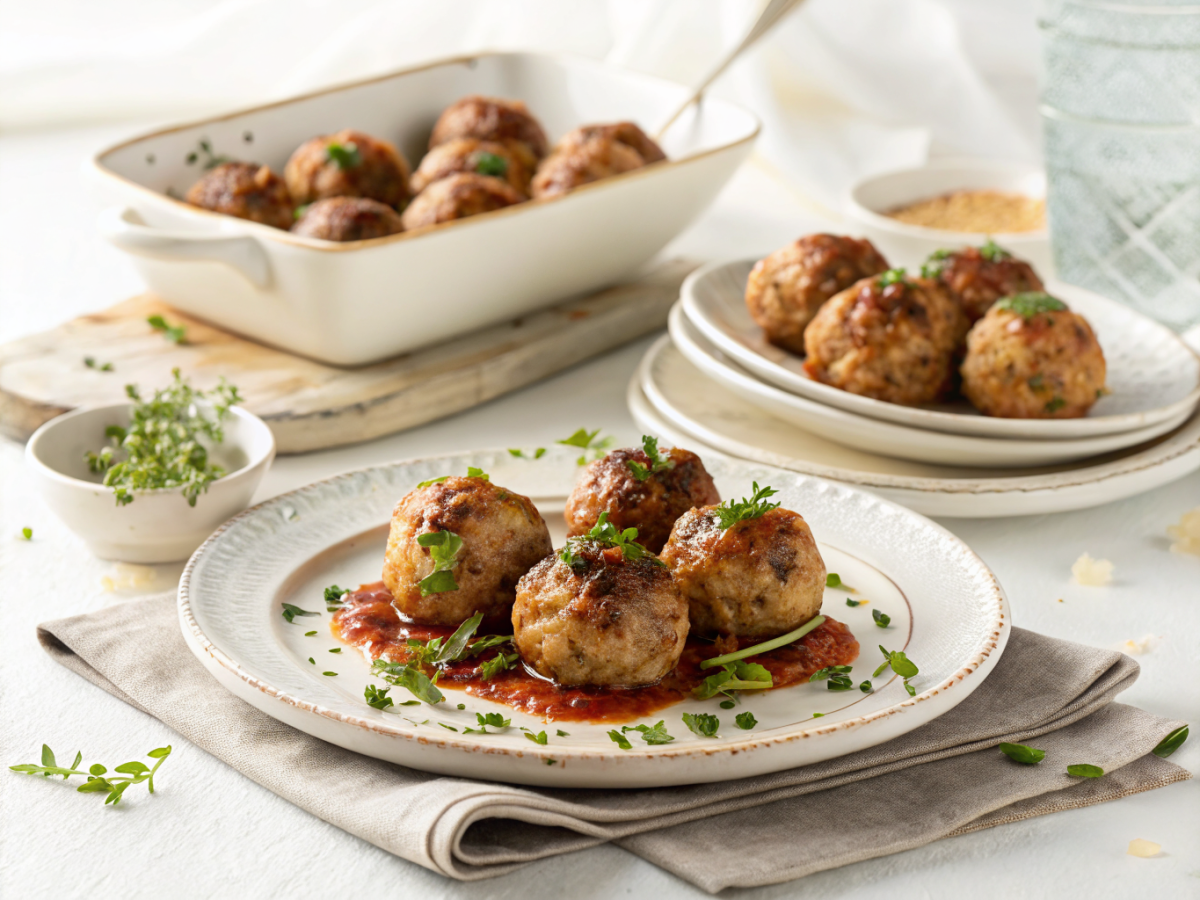
High Protein Meal Prep Turkey Meatballs For Easy Meal Prep
Ingredients
Method
- Preheat your oven to 400 degrees Fahrenheit. Line a large baking sheet with parchment paper or lightly grease with cooking spray.
- In a large mixing bowl, combine the ground turkey, beaten egg, panko breadcrumbs, Parmesan cheese, minced garlic, Italian seasoning, salt, pepper, and fresh parsley. Mix gently with your hands until just combined, being careful not to overmix.
- Using your hands or a cookie scoop, form the mixture into 20-24 evenly sized meatballs, about 1.5 inches in diameter. Place them on the prepared baking sheet, spacing them about 1 inch apart.
- Bake in the preheated oven for 20-25 minutes, or until the meatballs are golden brown and cooked through, reaching an internal temperature of 165 degrees Fahrenheit.
- Remove from oven and let cool for 5 minutes. Transfer meatballs to meal prep containers, dividing evenly. Store in the refrigerator for up to 5 days or freeze for up to 3 months.
- To reheat, microwave for 1-2 minutes or warm in a skillet. Serve with your choice of vegetables, rice, pasta, or in a sandwich for a complete high protein meal.
Nutrition
Notes
Tried this recipe?
Let us know how it was!High Protein Meal Prep Turkey Meatballs: 5 Easy Tips for Perfect Results
Creating the perfect batch of turkey meatballs requires attention to detail and proper technique. The key to success lies in balancing moisture, binding agents, and seasoning to prevent dry, flavorless results. With these five essential tips, you’ll master the art of making tender, juicy meatballs every single time.
First, never skip the step of letting your mixture rest for at least 10 minutes before forming meatballs. This allows the breadcrumbs or binding agents to absorb moisture properly. Second, avoid overmixing the meat, which can result in tough, dense meatballs that lack the desired tender texture.
Third, use a cookie scoop or ice cream scoop to ensure uniform sizing for even cooking. Fourth, don’t overcrowd your baking sheet or pan, as this creates steam rather than allowing proper browning. Fifth, always use a meat thermometer to verify the internal temperature reaches 165°F for food safety.
Why You’ll Love This High Protein Meal Prep Turkey Meatballs Recipe
This recipe stands out because it delivers approximately 25-30 grams of protein per serving while keeping calories and fat content in check. Unlike traditional beef meatballs, turkey provides lean protein that supports muscle growth and recovery. The versatility of these meatballs means you can enjoy them in countless ways throughout the week.
The convenience factor cannot be overstated when it comes to meal preparation. You can batch-cook these meatballs on Sunday and have protein ready for five different meals. They reheat beautifully without drying out, maintaining their moisture and flavor even after freezing.
Budget-friendly and family-approved, these meatballs appeal to even the pickiest eaters. Ground turkey costs significantly less than other protein sources while providing excellent nutritional value. The simple ingredient list means you likely have most items in your pantry already.
The customization possibilities are endless with this base recipe. You can adjust seasonings to match Italian, Asian, Mediterranean, or Mexican flavor profiles. This adaptability makes meal prep exciting rather than monotonous, preventing the dreaded meal prep burnout.
Core Ingredients for High Protein Meal Prep Turkey Meatballs
The foundation of excellent turkey meatballs begins with selecting quality ground turkey. Look for packages labeled 93/7 or 99/1 lean-to-fat ratio for maximum protein content. The small amount of fat present ensures the meatballs remain moist without adding excessive calories.
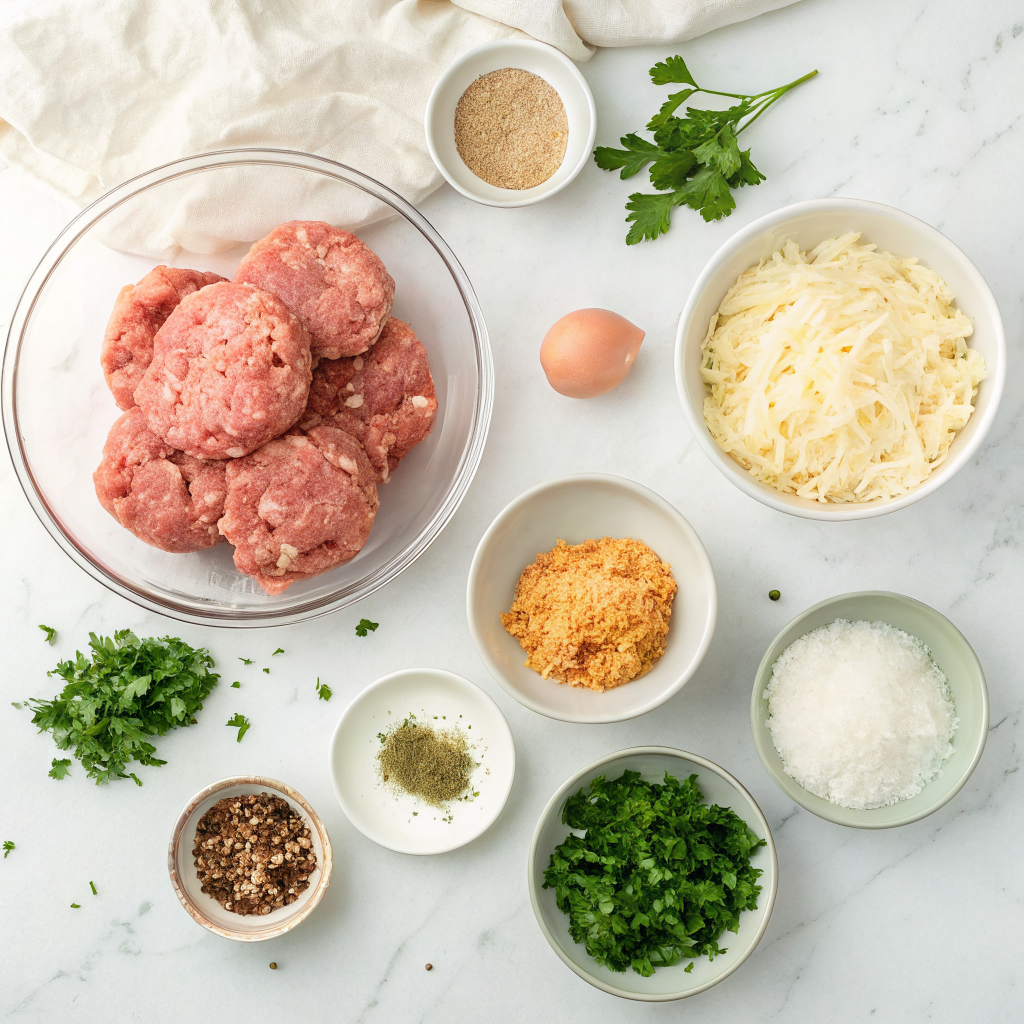
Binding agents play a crucial role in holding your meatballs together during cooking. Traditional breadcrumbs work well, but alternatives like panko, oat flour, or almond flour offer different textures and nutritional profiles. For those following low-carb diets, crushed pork rinds provide an excellent grain-free option.
Eggs serve as the primary binder, creating structure and adding additional protein to the recipe. One large egg per pound of meat is the standard ratio. For extra binding power and moisture, consider adding a tablespoon of Greek yogurt or cottage cheese.
Essential Ingredients List
- 2 pounds lean ground turkey (93/7 or 99/1)
- 2 large eggs, lightly beaten
- 1/2 cup breadcrumbs or panko (or substitute)
- 1/4 cup grated Parmesan cheese
- 3 cloves garlic, minced
- 1 small onion, finely diced
- 2 tablespoons fresh parsley, chopped
- 1 teaspoon dried oregano
- 1 teaspoon dried basil
- 1 teaspoon salt
- 1/2 teaspoon black pepper
- 1/2 teaspoon red pepper flakes (optional)
- 2 tablespoons olive oil for cooking
Fresh herbs elevate the flavor profile significantly compared to dried alternatives. Parsley, basil, oregano, and thyme complement turkey beautifully without overwhelming its mild taste. If using dried herbs, remember they’re more concentrated—use one-third the amount called for with fresh.
Aromatics like garlic and onion provide depth and complexity to the flavor base. Sautéing these ingredients before adding them to the meat mixture creates a sweeter, more developed taste. However, you can also add them raw if you’re short on time.
How to Make High Protein Meal Prep Turkey Meatballs: Step-by-Step
Begin by preheating your oven to 400°F and lining two large baking sheets with parchment paper or silicone mats. This temperature ensures proper browning while cooking the meatballs through completely. Proper preparation of your baking sheets prevents sticking and makes cleanup effortless.
In a large mixing bowl, combine the ground turkey, beaten eggs, breadcrumbs, Parmesan cheese, and all seasonings. Use your hands or a large fork to mix gently until just combined. Overmixing develops the proteins too much, resulting in tough meatballs, so stop as soon as everything is incorporated.
Allow the mixture to rest for 10-15 minutes at room temperature or refrigerated for up to 30 minutes. This resting period lets the breadcrumbs absorb moisture and the flavors meld together. The mixture will also firm up slightly, making it easier to shape.
Forming and Cooking Process
Using a 2-tablespoon cookie scoop or ice cream scoop, portion out the meat mixture onto your prepared baking sheets. Roll each portion between your palms to create smooth, round balls. Space them about 2 inches apart to allow air circulation and even browning.
For extra flavor and texture, lightly brush each meatball with olive oil before baking. This step promotes beautiful golden-brown color and adds a subtle richness. You can also spray them with cooking spray if you prefer to minimize added fats.
Bake for 20-25 minutes, rotating the pans halfway through cooking time for even browning. The meatballs are done when they reach an internal temperature of 165°F and show golden-brown exteriors. Remove from the oven and let them rest for 5 minutes before serving or storing.
Alternative Cooking Methods
Air fryer enthusiasts can cook these meatballs at 375°F for 12-15 minutes, shaking the basket halfway through. This method produces exceptionally crispy exteriors while maintaining juicy interiors. Check out more air fryer recipes for healthy cooking to expand your repertoire.
Stovetop cooking in a large skillet works well for smaller batches or when you want to create a pan sauce. Brown the meatballs on all sides over medium-high heat, then reduce heat and cover to finish cooking through. This method takes about 15-18 minutes total.
Slow cooker preparation is ideal for busy days when you want dinner ready upon arrival home. Place raw meatballs in the slow cooker with your favorite sauce and cook on low for 4-6 hours. This method produces incredibly tender meatballs that practically melt in your mouth.
Nutrition & Health Benefits
Each serving of these turkey meatballs (approximately 4-5 meatballs) provides roughly 280-320 calories depending on exact ingredients used. The protein content ranges from 35-40 grams per serving, making this an excellent choice for muscle building and recovery. Fat content stays moderate at 10-15 grams, with most being heart-healthy unsaturated fats.
Turkey is naturally rich in essential amino acids, particularly tryptophan, which supports serotonin production and mood regulation. The lean protein helps maintain stable blood sugar levels throughout the day. This prevents energy crashes and reduces cravings for unhealthy snacks between meals.
The addition of garlic and onions provides immune-boosting compounds and anti-inflammatory properties. These aromatics contain allicin and quercetin, which support cardiovascular health and may help reduce blood pressure. For more information on protein’s role in health, visit this comprehensive guide to protein functions.
Compared to beef meatballs, turkey versions contain significantly less saturated fat while providing similar protein levels. This makes them heart-healthier choices for those monitoring cholesterol intake. The lower calorie density also supports weight management goals without sacrificing satisfaction or nutrition.
Micronutrient Profile
Turkey provides excellent amounts of B vitamins, particularly niacin (B3) and vitamin B6, which support energy metabolism. These vitamins help convert food into usable energy and support nervous system function. A single serving provides approximately 50-60% of your daily niacin needs.
Selenium, a powerful antioxidant mineral, is abundant in turkey meat at about 40-50% of daily requirements per serving. This mineral supports thyroid function and protects cells from oxidative damage. Zinc content supports immune function and wound healing processes.
Phosphorus works alongside calcium to maintain strong bones and teeth, with turkey providing about 25% of daily needs. The iron content, while not as high as red meat, still contributes to healthy red blood cell production. Pairing these meatballs with vitamin C-rich vegetables enhances iron absorption.
Variations & Substitutions
Creating flavor variations keeps meal prep interesting and prevents taste fatigue. For Italian-style meatballs, increase the Parmesan cheese and add fresh basil, oregano, and a pinch of fennel seeds. Serve with marinara sauce over zucchini noodles or alongside healthy dinner recipes for complete meals.
Asian-inspired meatballs incorporate fresh ginger, scallions, sesame oil, and a splash of low-sodium soy sauce into the mixture. Serve these with cauliflower rice and steamed vegetables for a complete low-carb meal. Top with sesame seeds and additional sliced scallions for visual appeal and extra flavor.
Mediterranean versions feature sun-dried tomatoes, feta cheese, fresh dill, and lemon zest mixed into the meat. These pair beautifully with Greek salad, tzatziki sauce, and whole grain pita bread. The bright, fresh flavors transport you to coastal Greece with every bite.
Dietary Modifications
For gluten-free diets, replace breadcrumbs with almond flour, coconut flour, or certified gluten-free oats. These alternatives bind just as effectively while keeping the recipe celiac-safe. Crushed gluten-free crackers or rice cereal also work well as breadcrumb substitutes.
Paleo and Whole30 followers can use almond flour or cassava flour as binders and omit the Parmesan cheese. Replace it with nutritional yeast for a cheesy flavor without dairy. Ensure all seasonings and add-ins comply with your specific dietary protocol.
Dairy-free versions simply omit the Parmesan or replace it with dairy-free cheese alternatives. The meatballs hold together perfectly without cheese, though it does add flavor and moisture. Nutritional yeast provides a similar umami quality without any dairy content.
Low-carb and keto dieters should use pork rind crumbs or very finely ground almonds instead of breadcrumbs. These alternatives keep net carbs minimal while providing excellent binding properties. Each meatball contains approximately 1-2 grams of net carbs with these substitutions.
Serving Suggestions
The versatility of these meatballs shines through the numerous serving options available for different meals. For breakfast, nestle them into a vegetable frittata or serve alongside scrambled eggs and avocado. This high-protein breakfast keeps you satisfied until lunchtime without mid-morning energy crashes.
Lunch bowls become exciting with these meatballs as the protein centerpiece. Build bowls with mixed greens, quinoa or cauliflower rice, roasted vegetables, and your choice of dressing. Add chickpeas, cucumber, tomatoes, and hummus for Mediterranean-inspired bowls that satisfy and nourish.
Traditional spaghetti and meatballs gets a healthy makeover using spiralized zucchini, spaghetti squash, or whole grain pasta. Top with sugar-free marinara sauce and fresh basil for a comforting meal that doesn’t derail your nutrition goals. A sprinkle of Parmesan cheese adds the perfect finishing touch.
Creative Meal Ideas
Meatball subs on whole grain rolls with marinara, mozzarella, and sautéed peppers make satisfying lunches or casual dinners. Toast the rolls slightly for added texture contrast. Serve with a side salad to increase vegetable intake and round out the meal.
Appetizer platters featuring these meatballs alongside various dipping sauces impress guests at gatherings. Offer marinara, tzatziki, buffalo sauce, honey mustard, and peanut sauce for variety. This presentation allows everyone to customize their flavor experience according to personal preferences.
Soup and stew additions transform simple broths into hearty, protein-rich meals. Add meatballs to minestrone, vegetable soup, or Italian wedding soup during the last 10 minutes of cooking. They absorb the broth flavors while adding substantial protein and satisfaction to lighter soups.
Wrap combinations using whole grain tortillas, lettuce wraps, or pita pockets create portable, mess-free meals. Add hummus, vegetables, and your favorite sauce for complete nutrition in a handheld format. These work perfectly for packed lunches or quick dinners on busy evenings.
Common Mistakes to Avoid
One of the most frequent errors is using ground turkey that’s too lean, resulting in dry, crumbly meatballs. While 99% lean turkey maximizes protein, it lacks sufficient fat for moisture and flavor. Aim for 93% lean turkey, which provides the ideal balance between protein content and juiciness.
Overmixing the meat mixture develops the proteins excessively, creating dense, tough meatballs with an unpleasant texture. Mix only until ingredients are just combined and you can no longer see separate components. Use a gentle hand and avoid kneading or aggressive stirring motions.
Skipping the resting period before forming meatballs leads to mixture that’s too wet and difficult to shape. The breadcrumbs need time to absorb moisture from the eggs and meat. Patience during this step pays off with easier handling and better final texture.
Cooking Errors to Watch For
Overcrowding the baking sheet prevents proper air circulation and causes steaming instead of browning. Leave at least 1-2 inches between meatballs for optimal results. Use two baking sheets if necessary rather than cramming everything onto one pan.
Not using a meat thermometer risks serving undercooked poultry, which poses food safety concerns. Turkey must reach 165°F internal temperature to eliminate harmful bacteria. Invest in an instant-read thermometer for accurate, quick temperature checks that ensure safety.
Opening the oven door frequently during cooking releases heat and extends cooking time unnecessarily. Check the meatballs only once at the halfway point to rotate pans. Resist the urge to peek constantly, as consistent temperature is crucial for even cooking.
Serving or storing meatballs immediately after cooking without resting causes them to fall apart and lose moisture. Allow 5 minutes of resting time for juices to redistribute throughout the meat. This brief wait results in meatballs that hold together better and taste juicier.
Storage & Meal Prep Tips
Proper storage techniques ensure your meatballs remain fresh, safe, and delicious throughout the week. Allow cooked meatballs to cool completely to room temperature before storing, which typically takes 30-45 minutes. Never store hot food in sealed containers, as this creates condensation and promotes bacterial growth.
Refrigerator storage in airtight containers keeps meatballs fresh for 4-5 days when maintained at 40°F or below. Layer meatballs in single layers separated by parchment paper to prevent sticking together. Glass containers work best as they don’t absorb odors and are microwave-safe for easy reheating.
Freezer storage extends shelf life to 3-4 months when properly packaged in freezer-safe containers or bags. Flash-freeze meatballs on a baking sheet for 2 hours before transferring to storage containers. This prevents them from freezing into one large clump and allows you to remove only the quantity needed.
Reheating Methods
Microwave reheating works quickly for individual portions, though it may slightly compromise texture. Place meatballs in a microwave-safe dish with a tablespoon of water or sauce, cover, and heat in 30-second intervals. Stir between intervals to ensure even heating throughout.
Oven reheating at 350°F for 10-15 minutes restores the exterior texture better than microwaving. Cover with foil to prevent drying and add a splash of broth or sauce for moisture. This method works best when reheating larger quantities for family meals.
Stovetop reheating in sauce allows meatballs to absorb additional flavor while warming through. Simmer gently in your chosen sauce for 8-10 minutes until heated completely. This method works particularly well for Italian-style preparations with marinara or other tomato-based sauces.
Meal Prep Strategy
Dedicate 2-3 hours on meal prep day to batch-cook multiple recipes including these meatballs. While meatballs bake, prepare vegetables, grains, and other components for complete meals. Efficient multitasking during meal prep maximizes your time investment and sets you up for weekly success.
Portion meatballs into individual meal containers with complementary sides for grab-and-go convenience. Include vegetables, complex carbohydrates, and healthy fats for balanced nutrition in every container. Label containers with dates and contents for easy identification throughout the week.
Create a rotation schedule to prevent eating identical meals every day, which leads to boredom. Use the same batch of meatballs in different preparations throughout the week—pasta Monday, bowls Tuesday, soup Wednesday, and wraps Thursday. This variety keeps meals interesting while minimizing cooking time.
Final Thoughts on High Protein Meal Prep Turkey Meatballs
Mastering this High Protein Meal Prep Turkey Meatballs recipe revolutionizes your approach to healthy eating and time management. The combination of excellent nutrition, incredible versatility, and meal prep convenience makes this recipe an essential addition to your cooking repertoire. Whether you’re pursuing fitness goals, managing a busy schedule, or simply seeking nutritious family meals, these meatballs deliver on every front.
The beauty of this recipe lies in its adaptability to various dietary needs and flavor preferences without compromising nutritional value. From classic Italian preparations to creative Asian-inspired variations, the possibilities remain virtually endless. This flexibility ensures you’ll never tire of including these meatballs in your regular meal rotation.
Investing time in batch-cooking these meatballs pays dividends throughout the week in saved time, reduced stress, and consistent nutrition. The minimal hands-on time required makes this an accessible recipe even for cooking beginners. With practice, you’ll develop your own variations and serving combinations that perfectly suit your tastes and lifestyle.
Start your meal prep journey today with this foolproof recipe that delivers professional results every time. Your future self will thank you for the preparation when you have healthy, delicious meals ready within minutes. Explore more high protein recipes for nutritious meal planning to complement these versatile meatballs.
Frequently Asked Questions
Can I make High Protein Meal Prep Turkey Meatballs ahead of time?
Yes, you can prepare High Protein Meal Prep Turkey Meatballs up to 24 hours in advance by forming them and storing raw on a covered baking sheet in the refrigerator. Alternatively, fully cook them and store in airtight containers for 4-5 days refrigerated or up to 3 months frozen. This advance preparation makes weeknight dinners effortless and ensures you always have protein available for quick meals.
How do I prevent my turkey meatballs from being dry?
Prevent dry meatballs by using 93% lean ground turkey rather than 99% lean, which lacks sufficient fat for moisture. Add moisture-rich ingredients like grated onion, Greek yogurt, or a tablespoon of olive oil to the mixture. Avoid overcooking by using a meat thermometer and removing meatballs from heat immediately when they reach 165°F internal temperature.
What’s the best way to freeze and thaw turkey meatballs?
Flash-freeze cooked meatballs on a baking sheet for 2 hours before transferring to freezer bags or containers to prevent clumping. Remove as much air as possible to prevent freezer burn and maintain quality. Thaw overnight in the refrigerator for best results, or use the defrost setting on your microwave for quicker preparation when needed.
Can I use ground chicken instead of turkey for this recipe?
Ground chicken works perfectly as a substitute for turkey in this recipe with identical preparation methods and cooking times. The nutritional profile remains very similar, with both providing excellent lean protein content. Choose ground chicken with similar fat percentages (93/7) to ensure moist, flavorful results that match the original recipe’s texture and taste.

Food lover & recipe creator sharing simple, protein-rich recipes for busy lives.