Wingless Buffalo Risotto Recipe: 5 Easy Tips for the Best Results

Delicious wingless buffalo risotto guide

Delicious Wingless Buffalo Risotto

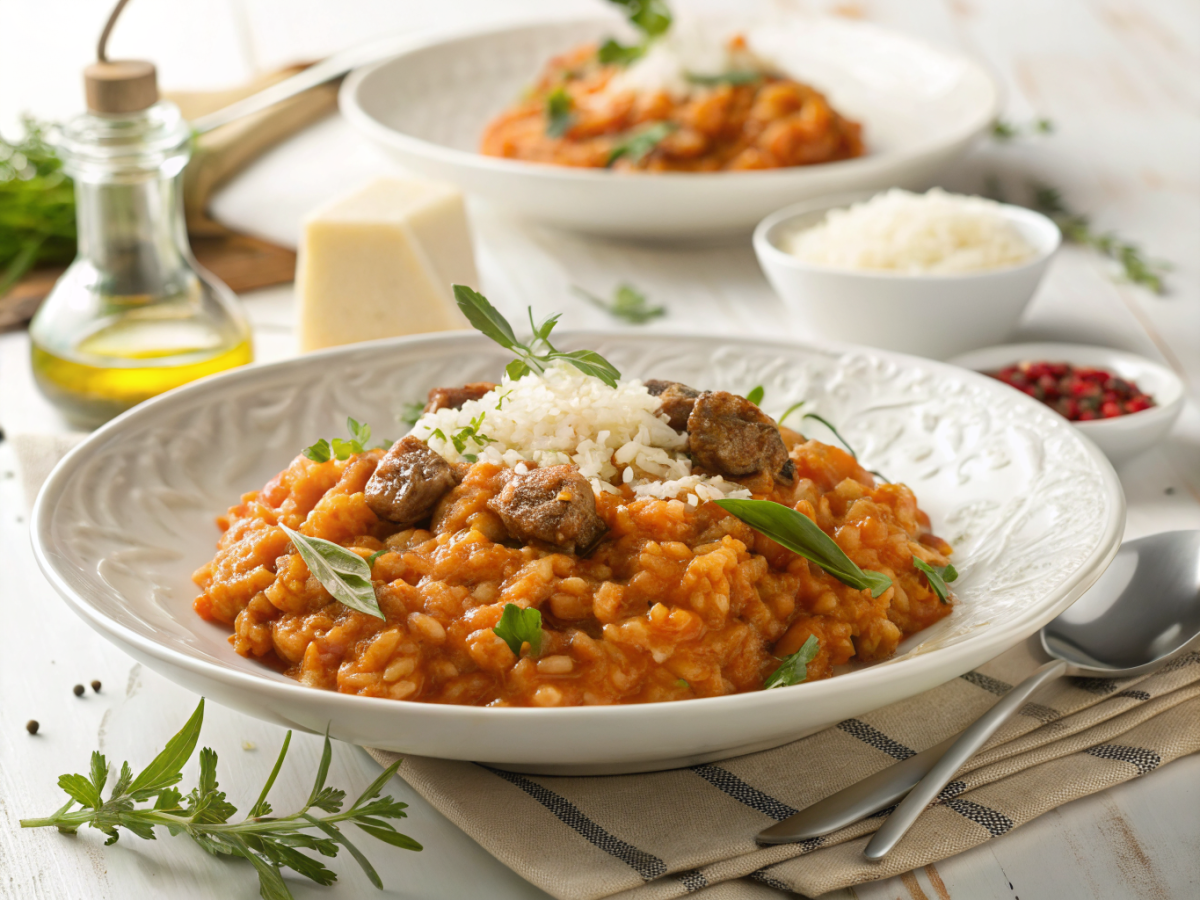
A creamy, spicy risotto inspired by buffalo chicken flavors with tender chicken pieces, tangy hot sauce, and blue cheese.
Prep Time 15 minutes
Cook Time 35 minutes
Total Time 50 minutes
Servings: 4 servings
Course: Dinner Recipes
Cuisine: American
Calories: 485

Ingredients
  

  • 1.5 cups arborio rice
  • 1 pound boneless skinless chicken breast diced into small pieces
  • 4 cups chicken broth kept warm
  • 1/2 cup buffalo hot sauce
  • 1 medium yellow onion finely diced
  • 3 tablespoons butter divided
  • 1/2 cup crumbled blue cheese
  • 1/4 cup heavy cream
  • 2 tablespoons olive oil

Method
 

  1. Season the diced chicken with salt and pepper. Heat olive oil in a large skillet over medium-high heat and cook the chicken until golden and cooked through, about 5-6 minutes. Toss with 3 tablespoons of buffalo sauce and set aside.
  2. In a large heavy-bottomed pot, melt 2 tablespoons of butter over medium heat. Add the diced onion and cook until softened and translucent, about 4 minutes. Add the arborio rice and stir constantly for 2 minutes until lightly toasted.
  3. Add the warm chicken broth one ladle at a time, stirring frequently. Wait until each addition is almost completely absorbed before adding the next ladle. Continue this process for about 20-25 minutes until the rice is creamy and tender but still has a slight bite.
  4. Stir in the remaining buffalo hot sauce and heavy cream. Mix well to combine and let simmer for 2 minutes to allow the flavors to meld together.
  5. Remove from heat and stir in the remaining tablespoon of butter and half of the crumbled blue cheese. Fold in the cooked buffalo chicken pieces gently.
  6. Divide the risotto among serving bowls and top with the remaining blue cheese crumbles. Serve immediately while hot and creamy.

Nutrition

Calories: 485kcalCarbohydrates: 52gProtein: 32gFat: 16gSodium: 980mgFiber: 2g

Notes

Keep the chicken broth warm throughout cooking for best results and creamier texture. Adjust the amount of buffalo sauce to your preferred spice level. For a milder version, substitute half the buffalo sauce with additional chicken broth. The risotto should be creamy and flow slightly when plated, not stiff or dry.

Tried this recipe?

Let us know how it was!
\n\nThis Wingless Buffalo Risotto brings the bold, tangy flavors of buffalo chicken wings to a creamy, comforting rice dish that’s perfect for any dinner occasion. The combination of spicy buffalo sauce, tender chicken, and rich Arborio rice creates an unforgettable meal that satisfies cravings without the mess of traditional wings. Whether you’re cooking for family or entertaining guests, this recipe delivers restaurant-quality results right in your own kitchen.

Wingless Buffalo Risotto: 5 Simple Tips for Perfect Results

Creating the perfect risotto requires patience and attention to detail, but these five essential tips will set you up for success. First, always use Arborio rice for its high starch content, which creates that signature creamy texture. Second, keep your broth warm throughout the cooking process to maintain consistent temperature and prevent the rice from cooling down.

Third, stir frequently but not constantly—every minute or so is ideal to release the starches without overworking the rice. Fourth, add your buffalo sauce gradually to control the heat level and ensure even distribution throughout the dish. Fifth, finish with cold butter and freshly grated Parmesan cheese off the heat for an incredibly silky, luxurious texture that coats every grain of rice perfectly.

The key to mastering this dish lies in understanding the balance between the spicy buffalo flavor and the creamy risotto base. You want each bite to deliver that characteristic tang without overwhelming the delicate nature of the rice. Temperature control and timing are everything when it comes to achieving that perfect al dente texture that professional chefs strive for in every risotto they prepare.

Why You’ll Love This Wingless Buffalo Risotto

This recipe transforms the beloved flavors of buffalo wings into an elegant, fork-friendly dinner that’s perfect for weeknight meals or special occasions. You get all the spicy, tangy excitement of buffalo chicken without the bones, mess, or need for napkins. The creamy risotto provides a sophisticated base that elevates the casual comfort food into something truly special and memorable.

Unlike traditional wings, this dish offers complete customization of heat levels, making it family-friendly while still satisfying spice lovers. The cooking process is meditative and rewarding, allowing you to create something truly from scratch. Plus, it’s a one-pot meal that incorporates protein, carbohydrates, and vegetables all in one beautiful presentation that impresses everyone at the table.

The versatility of this recipe means you can adjust ingredients based on what you have available or dietary preferences. It’s naturally gluten-free when made with the right broth, and you can easily incorporate additional vegetables for extra nutrition. This dish also reheats beautifully, making it ideal for meal prep or enjoying leftovers the next day with minimal quality loss.

For those who love exploring different dinner recipes, this creation offers something uniquely satisfying. The combination of Italian cooking technique with American flavor profiles creates a fusion dish that appeals to diverse palates. It’s comfort food that doesn’t feel heavy, and it’s fancy enough for guests without requiring advanced culinary skills or hard-to-find ingredients.

Core Ingredients for Wingless Buffalo Risotto

Wingless buffalo risotto ingredients

The foundation of any great risotto starts with Arborio rice, a short-grain Italian rice with high starch content that creates the characteristic creamy texture. You’ll need approximately one and a half cups of Arborio rice for four servings. This specific variety is essential—long-grain rice simply won’t produce the same results, so don’t attempt substitutions if you want authentic risotto texture.

For the buffalo flavor component, you’ll need boneless, skinless chicken breasts or thighs cut into bite-sized pieces—about one pound total. Choose your favorite buffalo wing sauce, whether it’s Frank’s RedHot, a homemade version, or your preferred brand. You’ll need roughly three-quarters of a cup, adjustable based on your heat tolerance and flavor intensity preferences.

The liquid base requires six cups of warm chicken broth, kept simmering on a back burner throughout the cooking process. Quality broth makes a significant difference in the final flavor, so consider using homemade or a premium store-bought option. You’ll also need one cup of dry white wine, which adds acidity and depth—choose something you’d actually drink, as the flavor concentrates during cooking.

For the creamy, rich finish, gather four tablespoons of unsalted butter (divided), one cup of freshly grated Parmesan cheese, and half a cup of heavy cream. The aromatics include one medium onion finely diced, three cloves of minced garlic, and two stalks of celery diced small. Don’t forget salt, black pepper, and optional blue cheese crumbles for garnish if you want that authentic buffalo wing experience.

Additional ingredients that enhance the dish include two tablespoons of olive oil for sautéing, fresh parsley for garnish, and optional celery leaves for presentation. Some cooks like to add a tablespoon of tomato paste for color and umami depth. Having everything measured and prepped before you start cooking—what chefs call mise en place—makes the process smooth and stress-free since risotto requires constant attention once you begin.

How to Make Wingless Buffalo Risotto: Step-by-Step

Begin by preparing your chicken: season the bite-sized pieces with salt and pepper, then toss them in about a quarter cup of buffalo sauce to coat. Heat one tablespoon of olive oil in a large, heavy-bottomed pan over medium-high heat. Cook the chicken pieces until golden brown and cooked through, approximately 6-8 minutes, then remove them from the pan and set aside on a plate.

In the same pan, add one tablespoon of butter and the remaining olive oil over medium heat. Add the diced onion and celery, cooking until softened and translucent, about 5 minutes. Stir in the minced garlic and cook for another minute until fragrant but not browned. This aromatic base builds the flavor foundation for your entire dish.

Add the Arborio rice to the pan and stir constantly for 2-3 minutes until the grains are well-coated with the fat and slightly toasted. This toasting step is crucial for developing nutty flavor and helping the rice maintain some texture during the long cooking process. You’ll notice the rice becomes slightly translucent around the edges when it’s ready for liquid.

Pour in the white wine and stir continuously until it’s almost completely absorbed by the rice. The wine adds acidity that balances the richness of the cream and cheese later. Once absorbed, begin adding the warm chicken broth one ladle at a time—about three-quarters of a cup per addition—stirring frequently and waiting until each addition is mostly absorbed before adding the next.

This gradual liquid addition process takes approximately 20-25 minutes and requires patience and attention. You’ll know the risotto is nearly done when the rice is tender but still has a slight bite in the center—this is the al dente texture you’re seeking. The mixture should be creamy and flow slowly when you tilt the pan, not stiff or soupy.

When the rice reaches the proper texture, reduce heat to low and stir in the cooked chicken, remaining buffalo sauce, heavy cream, and the remaining butter. Remove the pan from heat entirely and vigorously stir in the Parmesan cheese until everything is well combined and glossy. Taste and adjust seasoning with salt, pepper, or additional buffalo sauce as needed for your preferred flavor intensity.

Let the risotto rest for 2-3 minutes before serving, which allows the flavors to meld and the texture to set slightly. Serve immediately in warm bowls, garnished with additional Parmesan, blue cheese crumbles, fresh parsley, and a drizzle of buffalo sauce if desired. The dish should be creamy enough to slowly spread across the plate but thick enough to hold its shape on a spoon.

If you’re looking for more quick and easy meal ideas, this risotto technique can be adapted to countless flavor combinations. The method remains consistent while the seasonings and add-ins change, making it a valuable skill for any home cook. Once you master this basic technique, you’ll find yourself creating custom risotto variations based on whatever ingredients you have available.

Nutrition & Health Benefits

A typical serving of this Wingless Buffalo Risotto contains approximately 450-550 calories, depending on the specific ingredients and portion sizes used. The dish provides a substantial amount of protein from the chicken and Parmesan cheese—roughly 28-32 grams per serving. This protein content makes it a satisfying meal that keeps you full for hours after eating, preventing unnecessary snacking between meals.

The Arborio rice provides complex carbohydrates that offer sustained energy throughout your day. While risotto is often considered indulgent, it actually contains less fat than many cream-based pasta dishes when prepared thoughtfully. The calcium from the Parmesan cheese supports bone health, while the chicken provides essential B vitamins, particularly B6 and niacin, which support metabolism and energy production.

Buffalo sauce typically contains capsaicin from hot peppers, which has been studied for its potential metabolism-boosting properties and anti-inflammatory effects. The garlic and onions provide antioxidants and compounds that support immune function. Celery adds fiber, vitamin K, and potassium while contributing minimal calories, making it an excellent addition for both flavor and nutrition.

To make this dish healthier without sacrificing flavor, consider using brown Arborio rice for added fiber and nutrients, though it will require longer cooking time. You can reduce the butter and cream or substitute with Greek yogurt stirred in at the end for tang and protein. Using chicken breast instead of thighs reduces fat content, while adding extra vegetables like spinach, mushrooms, or bell peppers increases vitamin and mineral content significantly.

For those monitoring sodium intake, be mindful that buffalo sauce and broth can be high in salt—look for low-sodium versions of both. You can also make your own buffalo sauce with hot sauce, butter, and vinegar to control the sodium level. For more information on balanced nutrition in comfort foods, resources like traditional recipe sites offer helpful nutritional breakdowns and substitution ideas.

Variations & Substitutions

Transform this recipe into a vegetarian version by replacing chicken with cauliflower florets, chickpeas, or firm tofu tossed in buffalo sauce. The cauliflower option is particularly popular because it mimics the texture of buffalo wings while providing additional fiber and nutrients. Simply roast the cauliflower at 425°F until crispy before adding it to the risotto near the end of cooking for the best texture.

For a lighter version, substitute half the Arborio rice with finely riced cauliflower added during the last five minutes of cooking. This reduces carbohydrates and calories while maintaining the creamy texture and buffalo flavor. You can also use turkey instead of chicken for a leaner protein option, or try shrimp for a seafood twist that pairs surprisingly well with buffalo seasoning.

Experiment with different cheese combinations—smoked Gouda adds depth, while sharp cheddar provides a more American flavor profile that complements the buffalo sauce. Blue cheese lovers can stir in crumbled blue cheese at the end for authentic buffalo wing flavor. For a dairy-free version, use nutritional yeast and coconut cream, though the texture will differ slightly from traditional risotto.

The buffalo sauce itself can be customized endlessly—try mixing in ranch seasoning, honey for sweet heat, or garlic powder for extra savoriness. Some cooks add a splash of apple cider vinegar for additional tang. If buffalo flavor isn’t your preference, this same risotto technique works beautifully with BBQ sauce, teriyaki, or lemon-herb seasonings for completely different flavor profiles.

For those exploring high-protein recipe options, consider increasing the chicken content and adding white beans for extra protein and fiber. You can also top each serving with a fried or poached egg for additional protein and richness. The runny yolk creates an extra layer of creaminess that elevates the entire dish to new heights.

Serving Suggestions

Serve this Wingless Buffalo Risotto as a complete main course that needs only minimal accompaniments to round out the meal. A simple green salad with crisp romaine, cucumber, and a light vinaigrette provides refreshing contrast to the rich, spicy risotto. The acidity and crunch of the salad help cleanse your palate between bites, making each forkful of risotto taste as vibrant as the first.

For a more substantial meal, pair the risotto with roasted vegetables like Brussels sprouts, asparagus, or green beans. The slight char from roasting complements the creamy texture of the risotto beautifully. Garlic bread or crusty artisan bread is perfect for soaking up any extra sauce, though the risotto itself is quite filling on its own.

Consider serving the risotto in individual bowls or on plates with a shallow well, garnished attractively with fresh herbs, a drizzle of buffalo sauce in a decorative pattern, and crumbled blue cheese. Celery sticks and carrot sticks on the side provide the classic buffalo wing accompaniment while adding fresh crunch. Some people enjoy a dollop of sour cream or ranch dressing on top for cooling contrast.

For beverage pairings, the spicy buffalo flavor works wonderfully with crisp white wines like Sauvignon Blanc or Pinot Grigio, which cut through the richness. Beer lovers should reach for a cold lager or IPA—the bitterness and carbonation balance the heat perfectly. For non-alcoholic options, try sparkling water with lemon or a crisp apple cider that echoes the tangy notes in the buffalo sauce.

When entertaining, set up a risotto bar with various toppings in small bowls—extra buffalo sauce, blue cheese crumbles, diced celery, chopped green onions, crispy bacon bits, and fresh herbs. This allows guests to customize their portions according to their taste preferences and heat tolerance. It’s an interactive element that makes the meal more memorable and accommodates different dietary needs easily.

Common Mistakes to Avoid

The most frequent mistake when making risotto is adding cold broth to the rice, which shocks the cooking process and results in unevenly cooked grains. Always keep your broth at a gentle simmer in a separate pot so each addition maintains the cooking temperature. This consistent heat is essential for properly releasing the starches that create risotto’s signature creaminess without turning the rice to mush.

Another common error is stirring too much or too little—both extremes produce poor results. Constant stirring breaks down the rice too much, creating a gummy texture, while insufficient stirring causes uneven cooking and prevents proper starch release. Aim for stirring every minute or so, which provides the perfect balance for creamy texture while maintaining some structure in each grain.

Don’t rush the process by adding too much liquid at once or turning up the heat to speed cooking. Risotto requires patience and cannot be hurried without compromising quality. Each liquid addition needs time to be absorbed properly, allowing the rice to cook gradually from the outside in. This slow process is what differentiates creamy risotto from ordinary rice dishes.

Many home cooks make the mistake of overcooking the chicken initially, which leads to dry, tough meat once it’s stirred back into the finished risotto. Cook the chicken just until done, remembering it will continue cooking slightly when added back to the hot risotto. If anything, slightly undercook it during the initial searing—it will finish perfectly in the residual heat of the final dish.

Avoid using pre-grated Parmesan cheese, which contains anti-caking agents that prevent it from melting smoothly into the risotto. Always grate cheese fresh from a block for the best texture and flavor. Similarly, don’t skip the final butter addition—this “mantecatura” step is what gives professional risotto its glossy, luxurious finish that coats your spoon beautifully.

Finally, don’t let the finished risotto sit too long before serving. Unlike many dishes that improve with resting, risotto continues to absorb liquid and thicken as it sits, quickly becoming stiff and gluey. Serve immediately after preparation for the best texture. If you must hold it briefly, add a splash of warm broth and stir gently just before plating to restore the proper consistency.

Pro Tip: If your risotto becomes too thick while cooking, simply add more warm broth a quarter cup at a time until you reach the desired consistency. The finished dish should flow slowly across the plate like lava, neither too stiff nor too soupy.

Storage & Meal Prep Tips

Store leftover Wingless Buffalo Risotto in an airtight container in the refrigerator for up to three days. The risotto will thicken considerably as it cools due to the starches continuing to bind together. This is completely normal and doesn’t indicate that the dish has spoiled. When properly stored at 40°F or below, the rice and chicken remain safe to eat within this timeframe.

To reheat refrigerated risotto, add a few tablespoons of chicken broth or water to a pan over medium-low heat. Stir frequently as it warms, adding more liquid as needed to restore the creamy consistency. You can also microwave individual portions in 30-second intervals, stirring between each and adding liquid to prevent drying out. The texture won’t be quite as perfect as fresh, but it’s still delicious.

For meal prep purposes, you can partially cook the risotto to about 75% doneness, then spread it on a baking sheet to cool quickly. Store this par-cooked risotto in portions, then finish cooking when ready to serve by adding warm broth and continuing the traditional method. This technique saves time on busy weeknights while still delivering relatively fresh-tasting results that impress family members.

Freezing risotto is possible but not ideal, as the texture changes significantly upon thawing. If you must freeze it, portion it into freezer-safe containers with a thin layer of broth on top to prevent freezer burn. Freeze for up to two months, then thaw overnight in the refrigerator before reheating gently with additional liquid. The rice may be slightly softer than fresh, but the flavor remains good.

For best results with meal prep, consider preparing components separately—cook and season the chicken, dice the vegetables, measure the rice and liquids, and grate the cheese. Store these prepped ingredients in separate containers, then cook the risotto fresh when you’re ready to eat. This compromise provides convenience without sacrificing the quality that makes risotto special and worth the effort to prepare properly.

Techniques for preparing ingredients ahead can be found in various cooking resources, including detailed culinary guides that explain proper food storage and reheating methods. Following food safety guidelines ensures your meals remain both delicious and safe for consumption throughout the week.

Final Thoughts on Wingless Buffalo Risotto

This Wingless Buffalo Risotto represents the perfect marriage of Italian technique and American flavor, creating a dish that’s both comforting and impressive. The creamy texture of properly made risotto provides an elegant canvas for the bold, tangy buffalo sauce, while the tender chicken adds substance and protein. It’s a recipe that looks and tastes restaurant-quality but is entirely achievable in your home kitchen with basic ingredients and patience.

The beauty of this dish lies in its versatility and the way it transforms familiar flavors into something new and exciting. Whether you’re a risotto novice or an experienced home cook, this recipe offers an opportunity to practice fundamental techniques while creating something truly delicious. The meditative process of stirring and gradually adding liquid becomes almost therapeutic, making cooking feel less like a chore and more like a rewarding creative activity.

Don’t be intimidated by risotto’s reputation for being difficult or time-consuming. While it does require attention and patience, the actual technique is straightforward and becomes easier with practice. The results are so impressive that this dish quickly becomes a go-to recipe for special occasions, date nights, or whenever you want to treat yourself to something beyond ordinary weeknight fare without spending hours in the kitchen.

This recipe also demonstrates how classic cooking methods can be adapted to incorporate modern flavor preferences and dietary needs. By understanding the basic principles of risotto-making, you can confidently experiment with endless variations, creating custom dishes that reflect your personal taste and the ingredients you love. It’s a foundational skill that expands your cooking repertoire significantly and impresses anyone lucky enough to share your table.

Frequently Asked Questions

Can I make Wingless Buffalo Risotto ahead of time?

While risotto is best served immediately, you can prepare components ahead and cook the actual Wingless Buffalo Risotto when ready to serve. Cook and season your chicken, prep vegetables, and measure ingredients in advance. Store everything separately in the refrigerator, then follow the cooking process when you’re ready to eat. This approach saves time while maintaining the quality and texture that makes risotto special and worth the effort.

What’s the best rice substitute if I can’t find Arborio?

Carnaroli or Vialone Nano rice are the best substitutes for Arborio in risotto, as they’re also Italian short-grain varieties with high starch content. These alternatives will produce similarly creamy results in your Wingless Buffalo Risotto. Avoid long-grain rice like jasmine or basmati, as they lack the starch needed for proper texture. In a pinch, sushi rice can work but won’t be quite as authentic or creamy as true risotto rice varieties.

How do I adjust the spice level in this recipe?

Control the heat in your Wingless Buffalo Risotto by adjusting the amount and type of buffalo sauce used. Start with half the recommended amount, taste, and add more gradually until you reach your preferred spice level. Mix buffalo sauce with ranch dressing or add extra butter to mellow the heat. For more spice, add cayenne pepper or use extra-hot buffalo sauce. Serving with blue cheese crumbles and celery also helps balance the heat for those with lower spice tolerance.

Can I use leftover rotisserie chicken for this recipe?

Absolutely! Leftover rotisserie chicken works wonderfully in this recipe and saves significant prep time. Simply shred or dice the cooked chicken and toss it with buffalo sauce, then add it to the risotto during the final few minutes of cooking. This shortcut doesn’t compromise flavor and actually enhances convenience. The seasoning from the rotisserie chicken adds extra depth to the dish, making it even more flavorful than using plain chicken breast.

Leave a Comment

Recipe Rating