Quick and Easy Cafeteria Noodles
Ingredients
Method
- Bring a large pot of salted water to a boil. Add the egg noodles and cook according to package directions until tender, usually 8-10 minutes. Drain well and return to the pot.
- While the noodles are still hot, add the butter and vegetable oil to the pot. Stir until the butter is completely melted and the noodles are evenly coated.
- Sprinkle the garlic powder, onion powder, salt, and black pepper over the noodles. Toss everything together until the seasonings are evenly distributed.
- If using, stir in the chopped fresh parsley for added color and freshness.
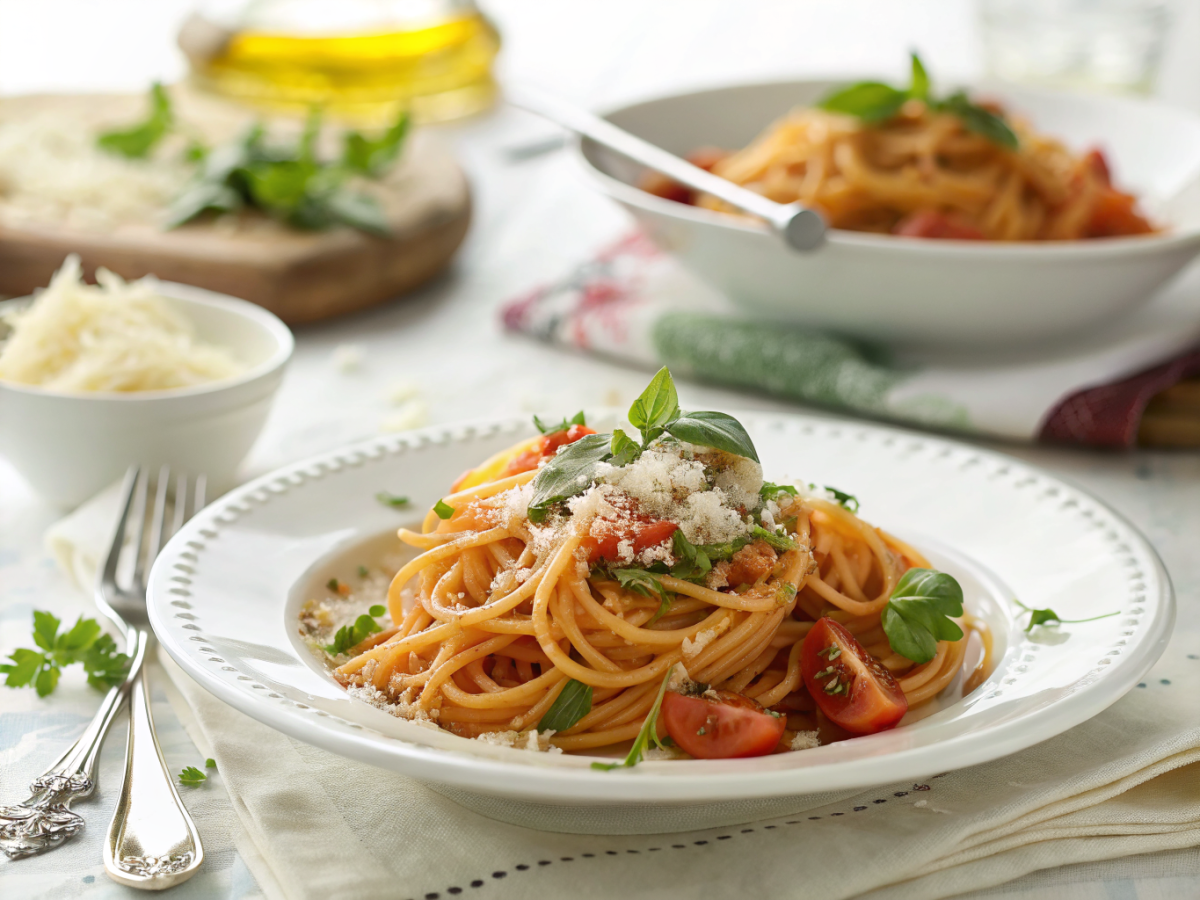
- Transfer the noodles to serving bowls and top with grated Parmesan cheese if desired. Serve immediately while hot.
Nutrition
Notes
Tried this recipe?
Let us know how it was!Cafeteria Noodles: 5 Easy Tips in 25 Minutes
Recreating authentic cafeteria-style noodles at home requires understanding a few key techniques that separate ordinary pasta from that distinctive institutional comfort food experience. The secret lies in the cooking method, seasoning balance, and texture that made these noodles a lunchtime favorite. These five essential tips will transform your homemade version into an exact replica of those beloved school lunch noodles.
First, always use wide egg noodles rather than Italian pasta varieties for authentic texture and flavor. Second, slightly overcook the noodles compared to al dente standards—cafeteria noodles have a softer, more tender bite. Third, drain thoroughly but don’t rinse, preserving the starch that helps sauce adhere.
Fourth, use real butter generously as it’s the foundation of that characteristic rich flavor profile. Fifth, season while the noodles are still hot so the salt and pepper penetrate deeply. Following these guidelines ensures your homemade batch tastes exactly like the cafeteria classic you remember.
Why You’ll Love This Cafeteria Noodles Recipe
This recipe captures pure nostalgia in every forkful while being remarkably practical for modern home cooking. The simplicity means fewer ingredients to buy, less prep work, and minimal cleanup afterward. You’ll have a complete dish on the table faster than ordering takeout, making it perfect for those hectic evenings when time is scarce.
The versatility of this dish makes it an excellent base for countless variations and additions. Kids absolutely love the mild, buttery flavor that isn’t overwhelming or spicy. Adults appreciate the comfort food satisfaction without the guilt of heavy cream sauces or excessive calories.
Budget-conscious cooks will celebrate how inexpensive the ingredients are—basic pantry staples create a filling meal for pennies per serving. The recipe scales beautifully whether you’re cooking for one person or feeding a crowd at a potluck. It’s also an excellent side dish that pairs wonderfully with countless dinner recipes from roasted meats to vegetable dishes.
The forgiving nature of this recipe means even novice cooks achieve perfect results every time. There’s no complex technique to master, no precise timing that ruins the dish if you’re off by a minute. This reliability makes it a go-to recipe you’ll return to repeatedly throughout the years.
Core Ingredients for Cafeteria Noodles

The beauty of this recipe lies in its minimal ingredient list that delivers maximum flavor and satisfaction. You’ll need just a handful of pantry staples that you likely already have on hand. Quality matters here—using real butter instead of margarine makes a noticeable difference in the final taste.
Essential Ingredients
- Wide Egg Noodles (16 oz): The foundation of the dish, providing that characteristic texture and yellow color
- Unsalted Butter (6 tablespoons): Creates the rich, coating sauce that defines cafeteria-style preparation
- Salt (1.5 teaspoons): Essential for seasoning both the cooking water and the finished noodles
- Black Pepper (1/2 teaspoon): Adds subtle warmth and depth without overwhelming the mild flavor profile
- Garlic Powder (1/2 teaspoon, optional): Provides a gentle savory note that enhances the overall taste
- Onion Powder (1/4 teaspoon, optional): Adds complexity and rounds out the flavor without visible onion pieces
- Fresh Parsley (2 tablespoons, optional): Offers a pop of color and freshness to the finished dish
The noodles themselves are the star ingredient, so choosing the right type matters significantly. Wide egg noodles have a tender texture and mild egg flavor that distinguishes them from Italian pasta. They absorb butter beautifully and have that slightly chewy consistency that characterizes cafeteria cooking.
Butter quality directly impacts the final flavor since it’s such a prominent component. European-style butter with higher fat content creates an even richer result. If you’re watching sodium intake, using unsalted butter allows you to control the salt level precisely.
The optional seasonings like garlic and onion powder add dimension without changing the fundamental character of the dish. They’re subtle enough that picky eaters won’t object but noticeable enough to elevate the flavor. Fresh parsley provides visual appeal and a slight freshness that balances the richness, though dried parsley works in a pinch.
How to Make Cafeteria Noodles: Step-by-Step
Creating perfect cafeteria-style noodles requires following a straightforward process that ensures consistent results every time. The technique is simple but each step contributes to achieving that authentic texture and flavor. Timing matters less than technique here, making this an ideal recipe for relaxed, stress-free cooking.
Step 1: Prepare Your Cooking Setup
Fill a large pot with 4-6 quarts of water and add 1 tablespoon of salt. Bring the water to a rolling boil over high heat. While waiting, measure out your butter and seasonings so everything is ready when the noodles finish cooking.
Having all ingredients prepared in advance (mise en place) makes the final assembly quick and seamless. Place a colander in your sink for draining the noodles. Ensure your serving bowl is nearby and large enough to toss the noodles with butter comfortably.
Step 2: Cook the Noodles
Once the water reaches a vigorous boil, add the entire 16-ounce package of egg noodles. Stir immediately to prevent sticking, then stir occasionally throughout cooking. Cook for 8-10 minutes until the noodles are tender with a soft bite, slightly beyond traditional al dente.
Cafeteria noodles have a characteristic softer texture, so don’t worry about slight overcooking. Test a noodle at the 8-minute mark by tasting—it should be completely tender without any firm center. The noodles will continue softening slightly after draining from residual heat.
Step 3: Drain and Return to Pot
When noodles reach the desired tenderness, pour them into the colander to drain thoroughly. Shake the colander gently to remove excess water but don’t rinse the noodles. Return the drained noodles immediately to the still-warm cooking pot.
The residual starch on the noodles helps the butter coat evenly and creates a silky texture. Rinsing would wash away this beneficial starch and cool the noodles too much. Working quickly while everything is hot ensures the butter melts completely and distributes evenly.
Step 4: Add Butter and Seasonings
Add all 6 tablespoons of butter to the hot noodles immediately. Sprinkle in the remaining 1/2 teaspoon salt, black pepper, and optional garlic and onion powder. Toss everything together using tongs or two large spoons until the butter melts completely and coats every noodle.
The heat from the noodles will melt the butter within 30-60 seconds of tossing. Continue mixing until you see a glossy sheen on all the noodles. This ensures even seasoning distribution and prevents clumping.
Step 5: Final Touches and Serving
Taste and adjust seasoning if needed, adding more salt or pepper to preference. Transfer to a serving bowl and garnish with fresh chopped parsley if desired. Serve immediately while hot for the best texture and flavor experience.
The noodles are best enjoyed fresh but remain delicious for several minutes after plating. If making ahead, slightly undercook the noodles and add an extra tablespoon of butter to prevent drying. This dish pairs wonderfully with other quick and easy meals for a complete dinner spread.
Nutrition & Health Benefits
While cafeteria noodles aren’t typically considered health food, they offer several nutritional benefits as part of a balanced diet. Egg noodles provide complex carbohydrates for sustained energy throughout the day. They contain moderate amounts of protein from the eggs used in their production, supporting muscle maintenance and satiety.
A typical serving (about 1 cup) contains approximately 280-320 calories depending on butter quantity. The dish provides 40-45 grams of carbohydrates, 6-8 grams of protein, and 10-12 grams of fat. While the fat content is moderate, it comes primarily from butter, which contains beneficial fat-soluble vitamins.
Butter provides vitamins A, D, E, and K2, which support immune function, bone health, and cellular processes. Using real butter instead of margarine avoids trans fats and artificial additives. The cholesterol in butter, once demonized, is now understood to have minimal impact on blood cholesterol for most people.
Egg noodles contain B vitamins including niacin, riboflavin, and folate, which support energy metabolism and nervous system function. They also provide iron for oxygen transport and selenium for antioxidant protection. For those seeking additional nutrients, consider checking out egg-based recipes with vegetables for more balanced nutrition profiles.
To make this dish more nutritious, consider adding vegetables like steamed broccoli, peas, or sautéed mushrooms. These additions increase fiber, vitamins, and minerals without compromising the comforting flavor. Protein sources like grilled chicken, tofu, or chickpeas transform this side dish into a complete meal.
For those watching sodium, using unsalted butter and reducing added salt makes this recipe more heart-friendly. Whole wheat egg noodles provide more fiber and nutrients than refined versions. Portion control remains important since the calorie density can add up quickly when serving sizes increase.
Variations & Substitutions
The basic cafeteria noodles recipe serves as an excellent canvas for countless creative variations. These adaptations maintain the comforting essence while introducing new flavors and textures. Experimenting with different additions keeps the recipe exciting and prevents mealtime boredom.
Protein Additions
Transform this side dish into a complete meal by incorporating protein sources. Diced rotisserie chicken, leftover ham, or cooked ground beef integrate seamlessly into the buttery noodles. Crispy bacon bits add smoky flavor and satisfying crunch that contrasts beautifully with the soft noodles.
For vegetarian options, consider chickpeas, white beans, or cubed firm tofu. These plant-based proteins absorb the butter and seasonings while adding nutritional value. Hard-boiled eggs, sliced and folded in, create a complete protein profile and add visual appeal with their golden yolks.
Vegetable Enhancements
Frozen peas stirred in during the last minute of cooking add sweetness and vibrant green color. Sautéed mushrooms contribute earthy umami depth that complements the buttery base. Steamed broccoli florets provide texture contrast and boost the nutritional profile significantly.
Caramelized onions add sophisticated sweetness without overwhelming the mild flavor profile. Roasted bell peppers bring color and slight smokiness to the dish. Spinach wilts beautifully when tossed with hot noodles, adding iron and vitamins with minimal effort.
Cheese Variations
Grated Parmesan cheese stirred in while noodles are hot creates a creamy, savory coating. Sharp cheddar adds bold flavor and creates a more indulgent version. Cream cheese melted into the butter creates an ultra-rich, restaurant-quality sauce.
For a sophisticated twist, try Gruyère or fontina cheese for nutty complexity. Cottage cheese folded in adds protein and creates a textured sauce reminiscent of noodle kugel. These cheesy variations pair wonderfully with high-protein recipes for a satisfying meal.
Herb and Spice Modifications
Fresh herbs transform the flavor profile dramatically with minimal effort. Chopped dill creates a Scandinavian-inspired version perfect with fish. Fresh basil and oregano give Italian flair that pairs beautifully with marinara on the side.
Cajun seasoning adds spicy kick for those who enjoy heat. Everything bagel seasoning creates an unexpectedly delicious savory crust. Lemon zest and fresh thyme brighten the rich butter with citrus and herbal notes.
Dietary Substitutions
For gluten-free diets, use gluten-free egg noodles or rice noodles with similar wide shapes. The texture differs slightly but remains satisfying. For dairy-free needs, substitute plant-based butter or olive oil, though the flavor will be less authentic.
Whole wheat egg noodles increase fiber content for those seeking more whole grains. Chickpea or lentil-based noodles dramatically boost protein and fiber while maintaining similar texture. These substitutions ensure everyone can enjoy this comforting dish regardless of dietary restrictions.
Serving Suggestions
Cafeteria noodles shine as both a standalone comfort meal and a versatile side dish. Their mild, buttery flavor complements virtually any protein or vegetable preparation. Understanding the best pairings elevates this simple dish into a complete dining experience.
As a Side Dish
These noodles pair exceptionally well with roasted or grilled meats that benefit from a starchy accompaniment. Serve alongside roast chicken, pork chops, or meatloaf for a classic American dinner. The buttery noodles absorb meat juices beautifully, creating harmonious flavor combinations.
They complement braised dishes like pot roast or short ribs perfectly, soaking up rich gravies and sauces. Fish preparations, especially baked or pan-seared varieties, benefit from the noodles’ neutral backdrop. For inspiration on meat preparations, explore glazed roast pork recipes that pair wonderfully with buttered noodles.
As a Main Course
Transform these noodles into a complete meal by adding protein and vegetables directly to the dish. Top with a fried egg for a quick breakfast-for-dinner option that’s both satisfying and economical. Stir in leftover vegetables and meat for a clean-out-the-fridge meal that minimizes food waste.
Serve in bowls topped with sautéed mushrooms and a sprinkle of Parmesan for a vegetarian main course. Add canned tuna, peas, and a squeeze of lemon for a budget-friendly pantry meal. These adaptations make the noodles substantial enough to stand alone as the meal’s centerpiece.
Accompaniments and Sides
A simple green salad with vinaigrette provides refreshing contrast to the rich, buttery noodles. Steamed or roasted vegetables add color, nutrition, and textural variety to the plate. Garlic bread or dinner rolls complement the dish for carbohydrate lovers.
Pickled vegetables cut through the richness with bright acidity and crunch. Coleslaw offers creamy, tangy contrast that balances the buttery flavor. For pickle inspiration, check out quick refrigerator pickle recipes that complement rich dishes perfectly.
Beverage Pairings
Light, crisp beverages balance the richness of buttered noodles best. Sparkling water with lemon cleanses the palate between bites. Iced tea, whether sweetened or unsweetened, provides refreshing contrast without overwhelming the mild flavors.
For wine enthusiasts, a light Pinot Grigio or unoaked Chardonnay complements without competing. Beer lovers will enjoy a crisp pilsner or wheat beer alongside this comfort food. Children typically enjoy milk or juice with this kid-friendly dish.
Common Mistakes to Avoid
Even with such a simple recipe, certain pitfalls can prevent you from achieving perfect cafeteria-style results. Understanding these common errors helps you avoid them and ensures success every time. Most mistakes relate to timing, temperature, or ingredient proportions.
Overcrowding the Pot
Using too small a pot causes noodles to stick together and cook unevenly. Always use a large pot with plenty of water—at least 4 quarts for a pound of noodles. Adequate water volume maintains consistent temperature when you add the noodles and provides room for them to move freely.
Overcrowded noodles clump together and develop gummy exteriors while remaining undercooked inside. They also release starch into insufficient water, creating a cloudy, sticky mess. Invest in a large stockpot if you frequently cook pasta for the best results.
Rinsing the Noodles
Rinsing cooked noodles washes away the surface starch that helps butter adhere properly. It also cools the noodles too much, preventing butter from melting smoothly. The starch creates that characteristic silky coating that defines well-prepared cafeteria noodles.
Only rinse noodles when making cold pasta salads where you want to stop the cooking process. For hot preparations like this recipe, skip rinsing entirely. Simply drain thoroughly and proceed immediately to the butter-tossing step while everything is hot.
Using Margarine Instead of Butter
Margarine lacks the rich, complex flavor that real butter provides and contains artificial additives. The taste difference is immediately noticeable, especially in simple preparations where butter is a primary flavor component. Margarine also has different melting properties that affect the final texture.
If budget is a concern, use less butter rather than substituting margarine. Even 4 tablespoons of real butter produces better results than 6 tablespoons of margarine. The authentic cafeteria flavor depends on real dairy butter’s distinctive taste.
Under-Seasoning
Fear of over-salting often leads to bland noodles that lack depth and character. Remember that pasta water should taste like seawater for proper seasoning. Additionally, season the finished noodles generously since the butter dilutes the salt concentration.
Always taste before serving and adjust seasoning as needed. Salt enhances all other flavors and brings the dish to life. Black pepper adds essential warmth that complements the butter without adding heat or spice.
Letting Noodles Sit Before Adding Butter
Allowing drained noodles to cool even slightly causes them to stick together and prevents proper butter absorption. The residual heat from just-cooked noodles is essential for melting butter and creating that glossy coating. Work quickly from draining to butter addition for optimal results.
If you must wait, toss the drained noodles with a small amount of butter immediately to prevent sticking. Add remaining butter and seasonings when ready to serve. This technique maintains texture while providing flexibility in timing.
Storage & Meal Prep Tips
Proper storage techniques keep leftover cafeteria noodles delicious for several days, making this recipe ideal for meal prep. Understanding how to store and reheat maintains texture and flavor quality. These strategies minimize food waste while maximizing convenience.
Refrigerator Storage
Transfer cooled noodles to an airtight container within two hours of cooking. They’ll keep safely in the refrigerator for 3-4 days when stored properly. Add an extra pat of butter before sealing to prevent drying and maintain moisture during storage.
Label containers with the date to track freshness easily. Store in the main refrigerator compartment rather than the door where temperature fluctuates. Portion into individual servings for grab-and-go convenience throughout the week.
Freezer Storage
While not ideal, buttered noodles can be frozen for up to 2 months in freezer-safe containers. The texture changes slightly upon thawing, becoming softer and less distinct. Freeze in portion-sized amounts for easier thawing and reheating.
To freeze, cool completely first, then transfer to freezer bags, removing as much air as possible. Lay bags flat for space-efficient storage and faster thawing. Add an extra tablespoon of butter when reheating to refresh the texture and flavor.
Reheating Methods
The microwave offers the quickest reheating method for individual portions. Place noodles in a microwave-safe bowl, add a tablespoon of water or butter, and cover loosely. Heat in 30-second intervals, stirring between each, until heated through.
For stovetop reheating, add noodles to a skillet with a tablespoon of butter over medium-low heat. Toss frequently until warmed throughout, about 3-5 minutes. This method restores texture better than microwaving and allows you to add fresh seasonings.
Oven reheating works well for larger quantities. Place noodles in a covered baking dish with a few tablespoons of butter or broth. Heat at 350°F for 15-20 minutes, stirring halfway through. This gentle method prevents drying while evenly warming the entire batch.
Meal Prep Strategies
Cook noodles slightly firmer than desired if preparing ahead, as they’ll soften during storage and reheating. Prepare the full recipe on Sunday for easy weeknight sides throughout the week. Pair with different proteins each night for variety without additional cooking effort.
Keep cooked, unseasoned noodles refrigerated separately from butter and seasonings for maximum versatility. This allows you to create different flavor variations throughout the week. Simply reheat portions and add different seasonings, cheeses, or mix-ins for variety.
Prep ingredients in advance by measuring butter and seasonings into small containers. Pre-chop any vegetables or proteins you plan to add. This mise en place approach makes weeknight cooking nearly effortless when you’re short on time.
Final Thoughts on Cafeteria Noodles

creates quick vegetarian dinners and vibrant taco recipes.