
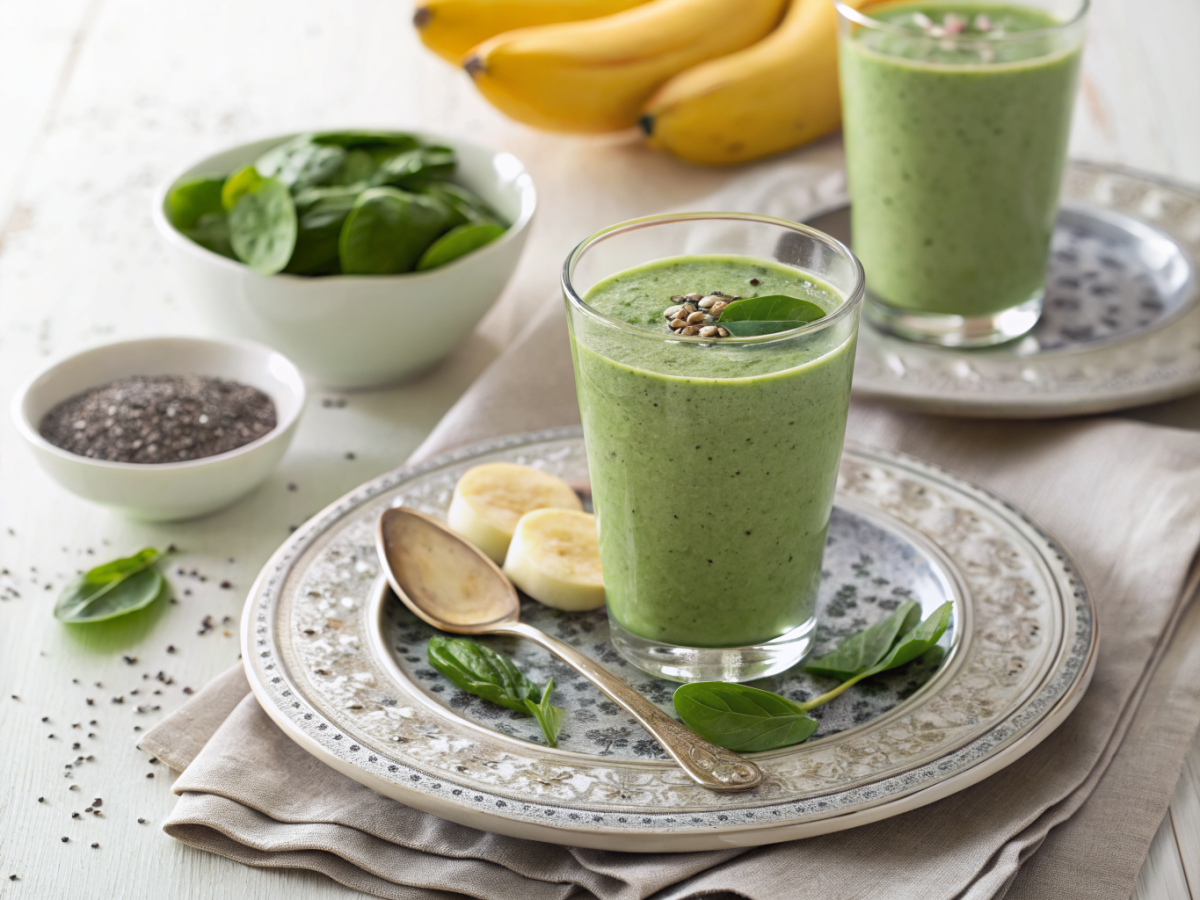
Gut Health Smoothie Smoothie That Everyone Will Save
Ingredients
Method
- Gather all ingredients and ensure frozen fruits are ready. If using fresh banana, slice and freeze for at least 2 hours beforehand for best texture.
- Pour the kefir and almond milk into your blender first. This helps the blender blades move smoothly and prevents ingredients from sticking.
- Add the spinach, frozen berries, banana, flaxseed, chia seeds, and grated ginger if using. Add honey if you prefer a sweeter smoothie.
- Blend on high speed for 45-60 seconds until completely smooth and creamy. Stop and scrape down sides if needed.
- If the smoothie is too thick, add more almond milk 1 tablespoon at a time. If too thin, add more frozen fruit or a few ice cubes and blend again.
- Pour into glasses and serve right away for maximum probiotic benefits and freshness. Optionally garnish with extra chia seeds or berries on top.
Notes
Gut Health Smoothie Smoothie: 5 Easy Tips in 10 Minutes
Creating the perfect gut health smoothie doesn’t require expensive supplements or complicated techniques. The secret lies in combining probiotic-rich ingredients with prebiotic fibers that feed the beneficial bacteria in your digestive system. This approach ensures you’re not just adding good bacteria, but also creating an environment where they can thrive.
The first tip is to always use cold ingredients, which helps create that thick, creamy texture everyone loves in a quality smoothie. Room temperature ingredients can result in a thin, watery consistency that’s less satisfying to drink. Keep your yogurt, kefir, and fruits properly chilled before blending.
Second, layer your ingredients strategically in the blender with liquids at the bottom, followed by soft ingredients, then frozen items on top. This order helps your blender work more efficiently and prevents chunks from getting stuck under the blades. You’ll achieve a smoother consistency with less blending time.
Third, don’t over-blend your smoothie as this can break down the beneficial probiotics and create too much heat from friction. Blend just until smooth, typically 30-45 seconds on high speed. The goal is a uniform texture without compromising the living cultures that make this smoothie so beneficial.
Fourth, add your prebiotic fibers like banana, oats, or flaxseed to feed the probiotics and enhance their effectiveness. These ingredients act as fuel for the beneficial bacteria, helping them colonize your gut more successfully. This synergistic approach maximizes the health benefits of every glass.
Finally, drink your smoothie fresh within 15 minutes of blending for maximum probiotic benefits. While you can store it for later, the living cultures are most active immediately after preparation. If you’re looking for more healthy drink recipes that support wellness, this smoothie is an excellent starting point.
Why You’ll Love This Gut Health Smoothie Smoothie
This recipe takes just 10 minutes from start to finish, making it perfect for busy mornings when you need nutrition fast. Unlike complicated wellness routines that require planning and prep time, this smoothie fits seamlessly into any schedule. You can even prepare ingredients the night before for an even quicker morning routine.
The taste is surprisingly delicious with a creamy, slightly tangy flavor that’s naturally sweet without added sugars. Many people expect gut-healthy foods to taste medicinal or unpleasant, but this smoothie proves that nutritious can also be delicious. The combination of fruits and probiotic dairy creates a balanced flavor profile that appeals to even picky eaters.
You’ll notice digestive improvements within just a few days of regular consumption. Many people report reduced bloating, more regular bowel movements, and improved energy levels after incorporating this smoothie into their daily routine. These benefits come from the synergistic effect of probiotics, prebiotics, and fiber working together.
The recipe is incredibly versatile and adapts to whatever ingredients you have on hand. Don’t have kefir? Use yogurt. Missing banana? Try mango or berries instead. This flexibility means you’ll never get bored and can customize based on seasonal availability or personal preferences.
It’s budget-friendly compared to store-bought probiotic drinks that can cost $4-6 per bottle. Making this smoothie at home costs roughly $2-3 per serving while delivering superior nutrition and freshness. Over time, this homemade approach saves significant money while providing better quality ingredients.
Core Ingredients for Gut Health Smoothie Smoothie
The foundation of this recipe starts with plain kefir or probiotic yogurt (1 cup), which provides billions of beneficial bacteria strains. Kefir typically contains more diverse probiotic strains than yogurt, making it slightly more beneficial, but both work excellently. Choose full-fat versions for better satiety and nutrient absorption.
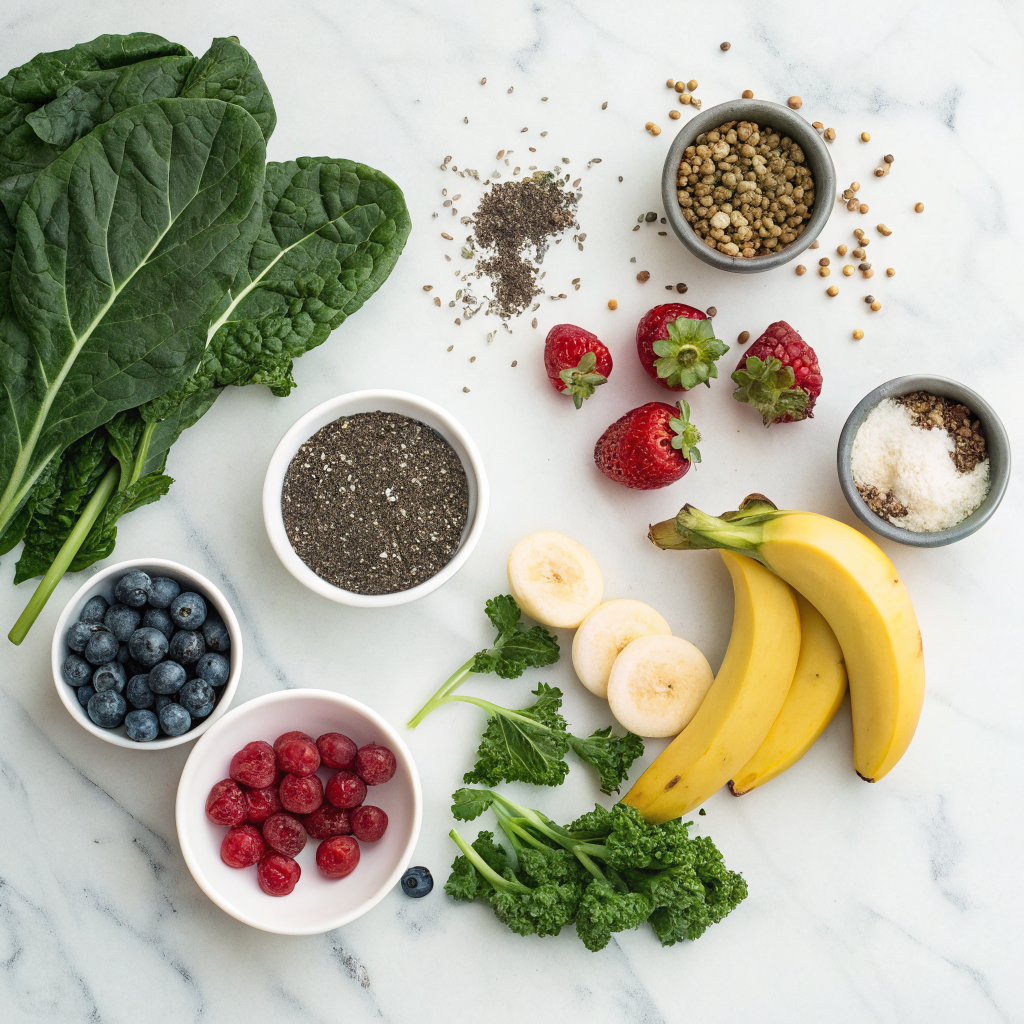
Banana (1 medium, frozen) serves as both a prebiotic fiber source and natural sweetener. The resistant starch in slightly green bananas is particularly beneficial for gut bacteria, while ripe bananas provide more sweetness. Freezing the banana creates that thick, ice-cream-like texture without needing ice cubes that would dilute the flavor.
Ground flaxseed (2 tablespoons) adds omega-3 fatty acids, additional fiber, and helps reduce inflammation in the digestive tract. Always use ground flaxseed rather than whole seeds, as your body cannot break down the outer shell of whole flaxseeds to access the nutrients. Store ground flaxseed in the refrigerator to prevent the oils from going rancid.
Spinach or kale (1 cup, packed) provides vitamins, minerals, and additional fiber without affecting the taste significantly. Baby spinach is milder and blends more smoothly than mature leaves or kale. The chlorophyll in these greens also supports detoxification processes in the body.
Blueberries (½ cup, fresh or frozen) contribute antioxidants that protect gut lining cells from damage and support overall digestive health. The polyphenols in blueberries also act as prebiotics, feeding beneficial gut bacteria. Frozen berries work just as well as fresh and are often more economical.
Raw honey (1 tablespoon, optional) adds natural sweetness and contains prebiotics that support probiotic activity. Honey also has antimicrobial properties that can help balance gut flora by suppressing harmful bacteria. Use raw, unfiltered honey for maximum benefits, as processing destroys many beneficial compounds.
Ginger (½ inch piece, fresh) provides anti-inflammatory compounds that soothe the digestive tract and reduce bloating. Fresh ginger has a stronger effect than dried powder and adds a pleasant warming note to the smoothie. Start with less if you’re sensitive to ginger’s spicy flavor.
Chia seeds (1 tablespoon) absorb liquid and create a gel-like consistency that’s soothing to the digestive tract. They’re loaded with fiber, omega-3s, and protein that support gut health and overall nutrition. Let the smoothie sit for 5 minutes after blending if you want the chia seeds to fully expand.
How to Make Gut Health Smoothie Smoothie: Step-by-Step
Step 1: Add the kefir or yogurt to your blender first, ensuring the liquid is at the bottom where blender blades work most efficiently. This prevents air pockets and helps everything blend smoothly. If your kefir is very thick, you can thin it slightly with ¼ cup of unsweetened almond milk or coconut water.
Step 2: Peel and add the fresh ginger piece, breaking it into smaller chunks if necessary. Fresh ginger blends better when it’s surrounded by liquid rather than sitting on top of frozen fruit. If you find ginger too strong, start with just a small piece and increase gradually as your taste buds adjust.
Step 3: Add the ground flaxseed and chia seeds directly into the liquid. These smaller ingredients blend more evenly when added early in the layering process. Make sure your flaxseed is freshly ground or stored properly, as rancid flax has an unpleasant fishy taste.
Step 4: Layer in the spinach or kale, packing it down gently. Leafy greens blend more easily when they’re not sitting on top of frozen ingredients. If you’re new to green smoothies, start with spinach as it has a much milder flavor than kale.
Step 5: Add the blueberries and break the frozen banana into chunks before placing them on top. Breaking the banana helps your blender process everything more efficiently. If you prefer a thinner consistency, you can use a fresh banana instead of frozen.
Step 6: Drizzle the honey over the top if using. Adding it last prevents it from sticking to the bottom of the blender. You can adjust sweetness based on the ripeness of your banana and personal preference.
Step 7: Blend on low speed for 10 seconds to break down the larger pieces, then increase to high speed for 30-40 seconds until completely smooth. Stop and scrape down the sides if needed, but avoid over-blending which can warm up the probiotics. The mixture should be thick enough to coat the back of a spoon.
Step 8: Pour immediately into a glass and enjoy within 15 minutes for maximum probiotic benefits. The living cultures in kefir and yogurt are most active when fresh. If you want to learn more about quick and nutritious meal ideas, this smoothie exemplifies how simple healthy eating can be.
Nutrition & Health Benefits
This smoothie delivers approximately 15-20 billion CFUs (colony-forming units) of probiotics per serving, depending on your yogurt or kefir choice. These beneficial bacteria help restore and maintain a healthy gut microbiome, which influences everything from digestion to immune function. Regular consumption can help reduce symptoms of IBS, bloating, and irregular bowel movements.
The combination of soluble and insoluble fiber from flaxseed, chia seeds, banana, and greens supports healthy digestion and regular elimination. Fiber also helps you feel full longer, making this smoothie an excellent breakfast or snack option. Most adults need 25-35 grams of fiber daily, and this smoothie provides about 10-12 grams.
Omega-3 fatty acids from flaxseed and chia seeds reduce inflammation throughout the body, including the digestive tract. Chronic inflammation in the gut can lead to increased permeability (leaky gut) and various health issues. These healthy fats also support brain health, heart health, and hormone production.
The antioxidants from blueberries and leafy greens protect cells from oxidative damage and support the gut lining’s integrity. A healthy gut lining prevents toxins and undigested food particles from entering the bloodstream. These compounds also support the growth of beneficial bacteria while inhibiting harmful strains.
Each serving contains approximately 300-350 calories, 12-15g protein, 45-50g carbohydrates, and 10-12g healthy fats. This macronutrient balance provides sustained energy without blood sugar spikes. The protein from kefir or yogurt helps stabilize blood sugar and supports muscle maintenance.
Vitamin K from leafy greens supports bone health and proper blood clotting, while B vitamins support energy metabolism. The calcium and vitamin D in dairy products work together to support bone density. These nutrients are particularly important for women and aging adults concerned about osteoporosis.
The prebiotic fibers in banana, honey, and flaxseed feed the probiotics, helping them colonize your gut more effectively. This synergistic relationship between prebiotics and probiotics is called “synbiotic” and provides enhanced benefits. Without adequate prebiotics, many probiotic bacteria simply pass through without establishing residence in your gut.
Variations & Substitutions
For a dairy-free version, substitute coconut yogurt or cashew yogurt for the kefir, ensuring it contains live active cultures. Water kefir is another excellent dairy-free probiotic option, though it’s thinner and may require additional thickeners. Add an extra tablespoon of chia seeds and let the smoothie sit for 5 minutes to achieve a creamier consistency.
Create a tropical gut health smoothie by replacing blueberries with mango and banana with pineapple. Add a tablespoon of coconut oil for additional healthy fats and antimicrobial properties. Pineapple contains bromelain, an enzyme that aids protein digestion and reduces inflammation.
Make a chocolate version by adding 1-2 tablespoons of raw cacao powder and using a ripe banana for sweetness. Cacao is rich in flavonoids that support gut health and provide mood-boosting compounds. This variation tastes like a dessert while delivering all the gut-healthy benefits.
For a green goddess version, increase the greens to 2 cups and add half an avocado for extra creaminess. Replace blueberries with green apple or cucumber for a more vegetable-forward flavor. This version is lower in sugar while providing even more fiber and nutrients.
Try a berry blast variation using mixed berries (strawberries, raspberries, blackberries) instead of just blueberries. Each berry type provides different antioxidants and polyphenols that support gut health in unique ways. Frozen mixed berries are convenient and economical for this variation.
Add protein powder (1 scoop) to increase protein content to 25-30g per serving, making this a complete meal replacement. Choose a high-quality protein powder without artificial sweeteners, as these can negatively impact gut bacteria. Collagen peptides are particularly beneficial for gut lining repair.
For a spiced version, add ¼ teaspoon cinnamon and a pinch of turmeric along with the ginger. These warming spices provide additional anti-inflammatory benefits and create a more complex flavor profile. Turmeric’s curcumin compound has been shown to support beneficial gut bacteria growth.
Substitute rolled oats (¼ cup) for the banana if you’re watching sugar intake or prefer a heartier texture. Oats provide beta-glucan fiber that’s particularly beneficial for gut health and cholesterol management. Soak the oats in the kefir for 5 minutes before blending for easier digestion.
Serving Suggestions
Serve this smoothie in a chilled glass with a wide straw to accommodate the thick consistency. Top with additional chia seeds, a sprinkle of granola, or fresh berries for added texture and visual appeal. The contrast between the smooth base and crunchy toppings makes the experience more satisfying.
Pour the smoothie into a bowl and create a smoothie bowl by adding sliced banana, coconut flakes, hemp seeds, and a drizzle of almond butter on top. This presentation turns a simple smoothie into an Instagram-worthy breakfast that you can eat with a spoon. The added toppings provide extra nutrients and make the meal more filling.
Pair this smoothie with a slice of whole grain toast topped with avocado and a poached egg for a complete breakfast. The combination provides balanced macronutrients that will keep you satisfied until lunch. If you’re interested in more high-protein breakfast options, this pairing is an excellent choice.
Enjoy it as a post-workout recovery drink within 30 minutes of exercise to replenish glycogen stores and support muscle repair. The combination of carbohydrates and protein makes it ideal for recovery. The anti-inflammatory compounds also help reduce exercise-induced inflammation.
Serve alongside a handful of raw almonds or walnuts for additional healthy fats and protein. This combination creates a more substantial snack that provides sustained energy. The nuts also add extra fiber and minerals like magnesium and zinc.
Make it part of a brunch spread with other gut-friendly foods like fermented vegetables, whole grain crackers, and hummus. This creates a complete gut-health-focused meal that’s both delicious and beneficial. Educating friends and family about gut health through shared meals can inspire others to prioritize digestive wellness.
Common Mistakes to Avoid
Don’t use flavored yogurt or kefir as these contain added sugars that can feed harmful gut bacteria and negate health benefits. Always choose plain, unsweetened varieties and add your own natural sweeteners if needed. Read labels carefully, as even some “plain” yogurts contain hidden sugars.
Avoid adding ice cubes, which dilute the flavor and nutritional density of your smoothie. Instead, use frozen fruit to achieve the desired cold, thick consistency. If you must use ice, limit it to 2-3 cubes maximum.
Don’t skip the prebiotic ingredients like banana or flaxseed, thinking you can rely on probiotics alone. Probiotics need prebiotic fiber to survive and thrive in your gut. Without these foods, the beneficial bacteria simply pass through without colonizing.
Never use boiling or hot liquids in your smoothie, as heat kills the beneficial probiotic bacteria. All ingredients should be cold or room temperature at most. Even warm ingredients can reduce the viability of living cultures.
Avoid over-blending, which generates heat through friction and can damage probiotics and nutrients. Blend just until smooth, typically 30-45 seconds. If your smoothie isn’t smooth enough, it’s better to blend in shorter bursts with pauses in between.
Don’t make this smoothie hours in advance and expect the same probiotic benefits. While it’s safe to drink later, the living cultures are most active when freshly blended. If meal prep is necessary, store ingredients separately and blend just before consuming.
Avoid using too much fruit, which can make the smoothie too high in sugar and potentially feed harmful bacteria. Stick to the recommended amounts and balance fruit with vegetables and healthy fats. One serving of fruit (about 1 cup) is appropriate for most people.
Don’t neglect to clean your blender thoroughly after each use, as bacteria can grow in residue and contaminate future smoothies. Rinse immediately after blending and wash with hot, soapy water. Periodically deep clean by blending warm water with a drop of dish soap.
Storage & Meal Prep Tips
While freshly made is best, you can store this smoothie in an airtight container in the refrigerator for up to 24 hours. Shake or stir well before drinking as separation is natural. The probiotic count will decrease over time, so consume as soon as possible for maximum benefits.
Freeze individual portions in ice cube trays, then transfer to freezer bags for up to 1 month. Thaw overnight in the refrigerator and blend briefly to restore smooth consistency. This method preserves most nutrients, though some probiotic viability is lost during freezing.
Prepare smoothie packs by portioning all ingredients except the kefir into freezer bags. When ready to make your smoothie, dump the frozen ingredients into the blender with fresh kefir and blend. This approach saves time while ensuring you get maximum probiotic benefits from fresh kefir.
Store ground flaxseed in an airtight container in the refrigerator or freezer to prevent oxidation. Flaxseed can go rancid quickly once ground, developing an unpleasant fishy taste. Purchase whole flaxseeds and grind small batches in a coffee grinder for maximum freshness.
Keep frozen banana chunks in a freezer bag with as much air removed as possible to prevent freezer burn. Peel and slice bananas when they’re perfectly ripe, then freeze in a single layer before transferring to bags. This prevents them from sticking together in one large clump.
Batch prep greens by washing, drying thoroughly, and portioning into individual servings in small bags. Excess moisture can cause greens to become slimy, so ensure they’re completely dry before storing. Pre-portioned greens make morning smoothie prep effortless.
Purchase kefir or yogurt with the longest expiration date possible and store it in the coldest part of your refrigerator. Check the label for “live and active cultures” to ensure you’re getting viable probiotics. Once opened, consume within 7-10 days for best quality and probiotic content.
Final Thoughts on Gut Health Smoothie Smoothie
This Gut Health Smoothie Smoothie represents a simple, delicious approach to supporting your digestive system through whole food nutrition. Rather than relying on expensive supplements or complicated protocols, this recipe harnesses the natural power of probiotic-rich foods combined with prebiotic fibers. Consistency is key—drinking this smoothie regularly will yield far better results than occasional consumption.
The beauty of this recipe lies in its flexibility and accessibility. You don’t need exotic ingredients or specialized equipment, just a basic blender and a commitment to prioritizing your gut health. As you make this smoothie part of your routine, pay attention to how your body responds and adjust ingredients to suit your individual needs.
Remember that gut health is foundational to overall wellness, influencing everything from immune function to mental health. By starting your day with this nutrient-dense smoothie, you’re investing in your long-term health in a meaningful way. The benefits extend far beyond digestion, potentially improving energy levels, skin health, mood, and disease resistance.
Don’t be discouraged if you don’t notice dramatic changes immediately. Gut healing takes time, and the microbiome shifts gradually over weeks and months of consistent dietary changes. Most people begin noticing improvements in digestion within 3-7 days, with more significant changes appearing after several weeks of regular consumption.
Share this recipe with friends and family who might benefit from improved gut health. Many people struggle with digestive issues without realizing that simple dietary changes can make a profound difference. By spreading knowledge about gut-friendly foods, you’re contributing to a broader culture of wellness and preventive health.
Frequently Asked Questions
Can I make this Gut Health Smoothie Smoothie if I’m lactose intolerant?
Yes, you can easily adapt this recipe for lactose intolerance by using lactose-free kefir or yogurt, which still contains beneficial probiotics. Many people with lactose intolerance actually tolerate kefir better than regular milk because the fermentation process breaks down much of the lactose. Alternatively, use coconut yogurt or cashew yogurt with live cultures, though these typically contain fewer probiotic strains than dairy versions.
How often should I drink this smoothie for gut health benefits?
For optimal results, enjoy this Gut Health Smoothie Smoothie daily, preferably in the morning on an empty stomach when probiotic absorption is highest. Consistency matters more than quantity—one smoothie daily is more beneficial than drinking several in one day then none for a week. Most people notice digestive improvements within 3-7 days of daily consumption, with more significant changes appearing after 2-4 weeks of regular intake.
Can I add protein powder without affecting the probiotics?
Yes, you can safely add protein powder to your smoothie without harming the probiotics, as long as you’re not using hot liquids. Choose a high-quality protein powder without artificial sweeteners, as these can negatively impact gut bacteria balance. Collagen peptides are particularly beneficial for gut health as they support gut lining repair, while plant-based proteins like pea or hemp provide additional fiber that feeds beneficial bacteria.
Why does my smoothie separate when stored?
Separation is completely normal and happens because the heavier particles settle to the bottom while lighter components rise to the top. This doesn’t indicate spoilage or reduced nutritional value. Simply shake or stir your stored smoothie vigorously before drinking to recombine the ingredients. Adding chia seeds helps reduce separation as they absorb liquid and create a more stable consistency throughout the mixture.
For more culinary inspiration, visit AllRecipes.

HomeCook Legacy Kitchen is the editorial name of homecooklegacy.com. Recipes on this site are drafted with the help of AI tools and published by the HomeCook Legacy team. Please check ingredients, cooking times and food-safety guidance for your own situation.