
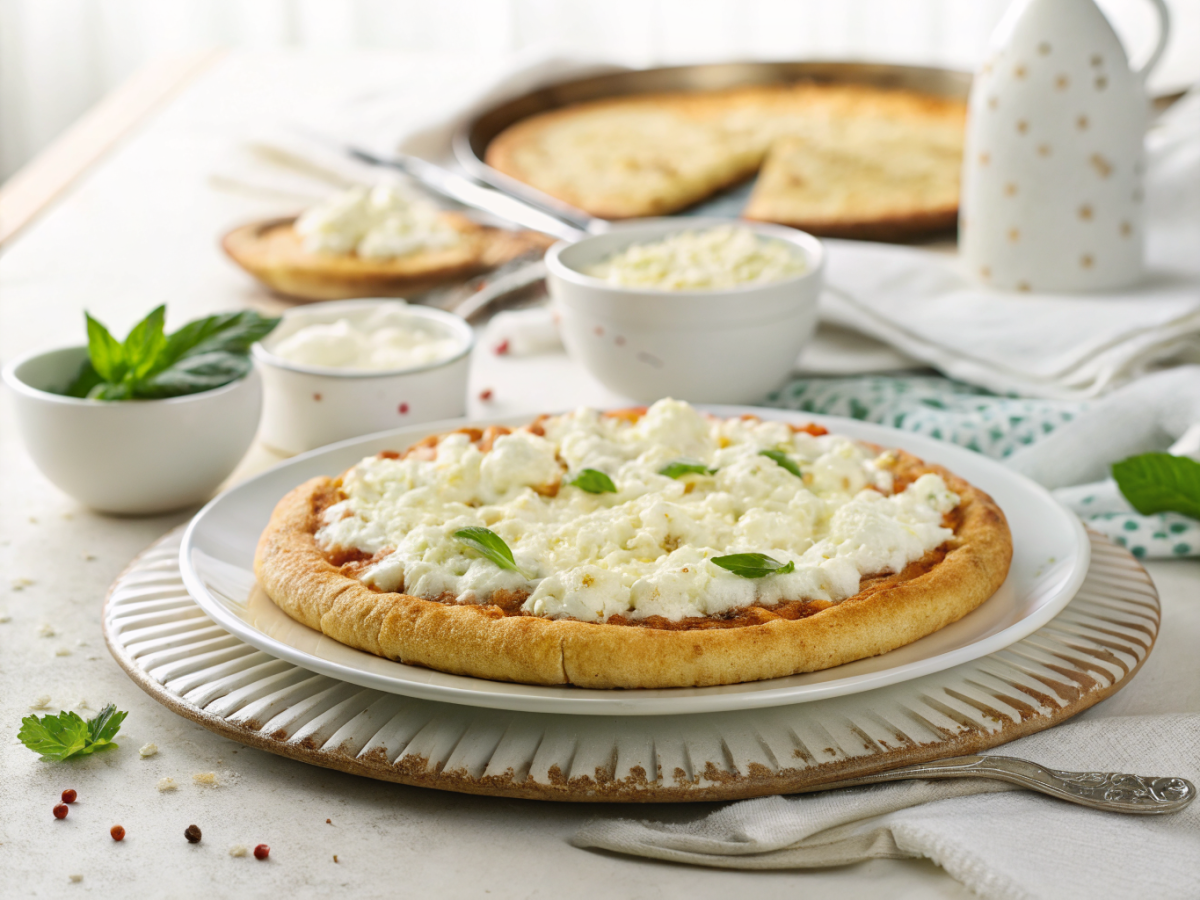
3-Ingredient Cottage Cheese Pizza Crust Everyone Will Ask You To Make Again
Ingredients
Method
- Preheat your oven to 425 degrees Fahrenheit. Line a baking sheet or pizza pan with parchment paper and lightly spray with cooking spray.
- In a large mixing bowl, combine cottage cheese and eggs. Mix well until smooth and well combined. You can use a blender for a smoother texture if desired.
- Add the flour to the cottage cheese mixture along with salt, garlic powder, and Italian seasoning if using. Stir until a sticky dough forms.
- Transfer the dough to the prepared baking sheet. Using lightly floured hands or a spatula, spread and shape the dough into a round or rectangular pizza crust about 1/4 inch thick.
- Bake the crust in the preheated oven for 15-18 minutes, or until the edges are golden brown and the center is set and lightly browned.
- Remove the crust from the oven and add your favorite pizza sauce, cheese, and toppings.
- Return the pizza to the oven and bake for an additional 7-10 minutes, or until the cheese is melted and bubbly. Slice and serve hot.
Notes
nnThis 3-Ingredient Cottage Cheese Pizza Crust is revolutionizing the way home cooks approach pizza night with its incredibly simple formula and surprisingly delicious results. If you’re searching for a healthier alternative to traditional pizza dough that doesn’t compromise on taste or texture, this recipe delivers exactly what you need. With just cottage cheese, eggs, and cheese, you’ll create a crispy, protein-packed base that holds toppings beautifully and satisfies even the pickiest eaters.
3-Ingredient Cottage Cheese Pizza Crust: 5 Easy Tips for Perfect Results
Creating the perfect cottage cheese pizza crust requires understanding a few key techniques that separate soggy disasters from crispy triumphs. The first tip is to drain your cottage cheese thoroughly, pressing out excess moisture with paper towels or cheesecloth for at least 10 minutes before mixing. This single step prevents a watery crust that won’t crisp up properly in the oven.
Second, always preheat your baking sheet or pizza stone in a 425°F oven for at least 15 minutes before adding your crust mixture. The hot surface creates immediate contact heat that starts crisping the bottom layer instantly. This technique mimics professional pizza ovens and gives you that restaurant-quality texture at home.
Third, spread your crust mixture thin—about ¼ inch thick—using a spatula or the back of a spoon dipped in water to prevent sticking. Thicker crusts tend to remain soft and custard-like in the center, while thinner versions crisp beautifully. Aim for an even thickness across the entire surface to ensure uniform cooking.
Fourth, par-bake your crust for 15-18 minutes before adding any toppings, allowing the egg proteins to set and the cheese to form a golden structure. This pre-baking step is non-negotiable for achieving a crust that can support wet toppings without becoming soggy. You’ll know it’s ready when the edges turn golden brown and the surface feels firm to the touch.
Fifth, let your finished pizza rest for 3-5 minutes after removing it from the oven before slicing. This resting period allows the proteins to set completely and makes cutting clean slices much easier. Skipping this step often results in a pizza that falls apart when you try to serve it.
Why You’ll Love This 3-Ingredient Cottage Cheese Pizza Crust
This recipe transforms cottage cheese into a legitimate pizza base that delivers impressive nutritional benefits without sacrificing flavor. Each serving packs approximately 15-20 grams of protein, making it an excellent choice for fitness enthusiasts or anyone looking to increase their protein intake. The simplicity of using just three ingredients means less time measuring and more time enjoying your meal.
Unlike traditional pizza dough that requires yeast activation, kneading, and rising time, this crust comes together in under 5 minutes of active prep work. You won’t need any special equipment beyond a mixing bowl, baking sheet, and oven. This accessibility makes it perfect for weeknight dinners when time is limited but you still want something homemade and satisfying.
The texture surprises most first-time makers with its ability to crisp on the edges while maintaining a tender, slightly chewy interior. It’s not trying to be identical to wheat-based dough, but rather offers its own unique eating experience that stands confidently on its own merits. Many people who try this recipe report that non-low-carb family members request it specifically, proving its appeal extends beyond dietary restrictions.
Budget-conscious cooks appreciate that cottage cheese is typically less expensive than specialty low-carb flours or pre-made cauliflower crusts. A single container of cottage cheese usually costs between $3-5 and yields two full-sized pizza crusts. When you factor in the protein content and satisfaction level, the cost per serving becomes remarkably economical.
This crust naturally fits multiple dietary approaches including low-carb, keto, gluten-free, and vegetarian lifestyles without requiring modifications. For those following high protein recipes, this base provides an excellent foundation for nutrient-dense meals. The versatility means one recipe can satisfy diverse household dietary needs simultaneously.
Core Ingredients for 3-Ingredient Cottage Cheese Pizza Crust
The foundation of this recipe starts with 2 cups of cottage cheese, preferably full-fat for the best texture and flavor. Full-fat cottage cheese contains more moisture-binding proteins and creates a richer, more satisfying crust compared to low-fat versions. The curds blend into a smooth base that holds the structure together while providing that characteristic tangy flavor.
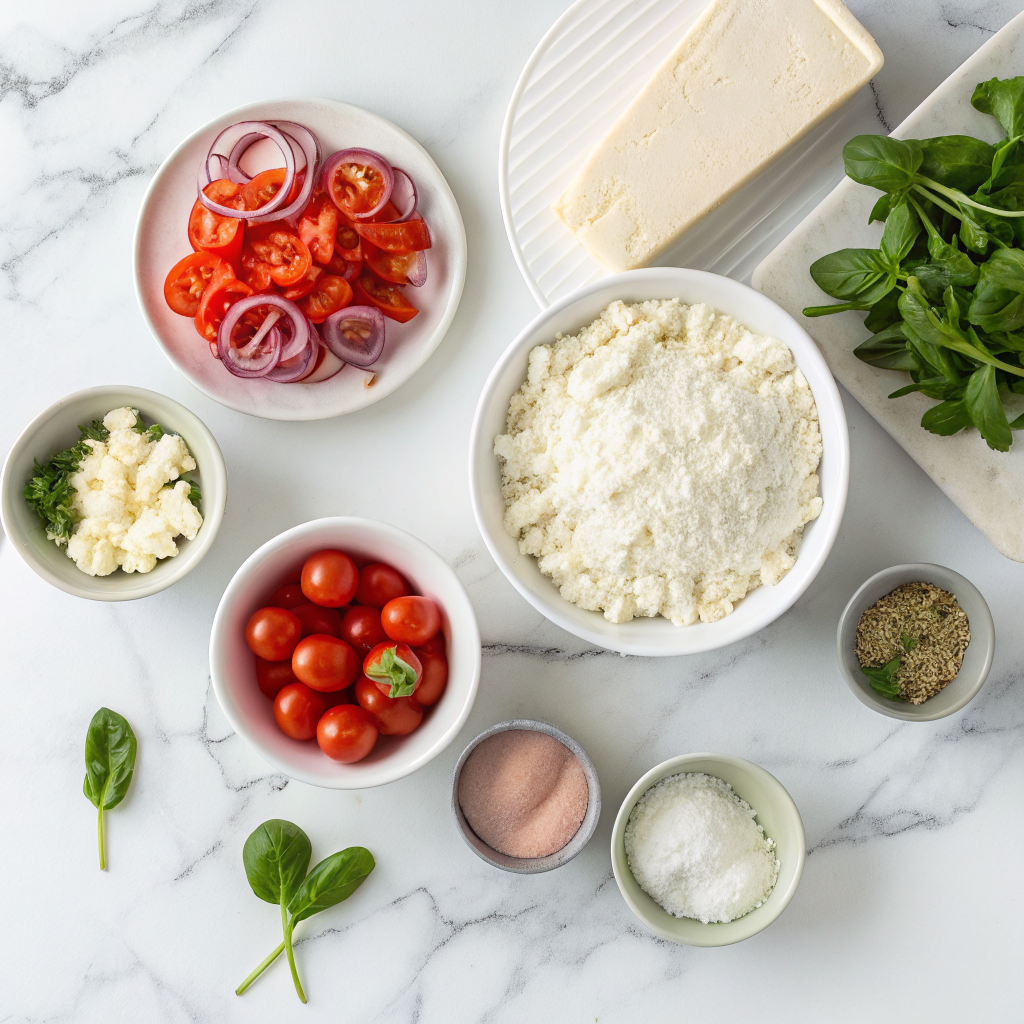
Two large eggs serve as the binding agent that transforms the cottage cheese from a spreadable dairy product into a cohesive dough-like mixture. The eggs provide structure through protein coagulation during baking, creating the framework that allows the crust to be sliced and held. They also contribute additional protein and help achieve that golden-brown color on the surface.
1½ cups of shredded mozzarella cheese adds stretchiness, flavor, and helps with browning during the baking process. Mozzarella’s mild flavor complements rather than competes with your pizza toppings, while its melting properties create pockets of gooey texture throughout the crust. For best results, shred your own cheese from a block rather than using pre-shredded varieties that contain anti-caking agents.
Optional seasonings like 1 teaspoon of Italian seasoning, ½ teaspoon garlic powder, and ¼ teaspoon salt can be mixed into the base for added flavor complexity. These aromatics infuse the entire crust with savory notes that enhance the overall pizza experience. However, the recipe works perfectly well with just the three core ingredients if you prefer simplicity.
Some cooks add ¼ cup of grated Parmesan cheese to the mixture for a sharper, more complex flavor profile and additional browning capability. Parmesan’s lower moisture content also helps absorb some liquid from the cottage cheese, contributing to a firmer final texture. This fourth ingredient remains optional but highly recommended for those who enjoy a more pronounced cheese flavor.
How to Make 3-Ingredient Cottage Cheese Pizza Crust: Step-by-Step
Step 1: Prepare your cottage cheese by placing it in a fine-mesh strainer lined with paper towels or cheesecloth. Press gently to remove excess liquid, allowing it to drain for 10-15 minutes while you preheat your oven. This crucial step removes approximately ¼ cup of liquid that would otherwise prevent proper crisping.
Step 2: Preheat your oven to 425°F and place a baking sheet or pizza stone inside to heat thoroughly. Line a separate baking sheet with parchment paper if you’re not using a preheated stone. The parchment prevents sticking and makes transferring your finished pizza much easier.
Step 3: Combine the drained cottage cheese and eggs in a food processor or blender, processing until completely smooth with no visible curds remaining. This takes approximately 30-45 seconds of continuous blending. Alternatively, you can use an immersion blender directly in a mixing bowl for easier cleanup.
Step 4: Transfer the smooth cottage cheese mixture to a large bowl and fold in the shredded mozzarella cheese along with any optional seasonings. Stir until the cheese is evenly distributed throughout the mixture. The consistency should resemble thick pancake batter rather than traditional pizza dough.
Step 5: Pour the mixture onto your prepared parchment paper and use a spatula to spread it into a circular or rectangular shape about ¼ inch thick. For easier spreading, dip your spatula in water periodically to prevent the mixture from sticking. Create a slightly thicker edge if you prefer a crust-like border.
Step 6: Transfer to your preheated oven and bake for 15-18 minutes until the edges turn golden brown and the center appears set rather than jiggly. The surface should feel firm when gently pressed with a spatula. Avoid opening the oven door during the first 10 minutes to maintain consistent temperature.
Step 7: Remove the par-baked crust from the oven and add your desired pizza toppings, starting with sauce, then cheese, and finally other ingredients. Keep toppings relatively light to avoid weighing down the crust. Return to the oven for an additional 8-10 minutes until toppings are heated through and cheese is melted and bubbly.
Step 8: Allow the finished pizza to rest for 3-5 minutes before slicing with a pizza cutter or sharp knife. This resting period prevents the toppings from sliding off and makes cutting through the crust significantly easier. Serve immediately while still warm for the best texture and flavor experience.
Pro Tip: For an extra-crispy bottom, transfer your par-baked crust directly onto the preheated pizza stone or baking sheet for the second bake with toppings. This direct contact with the hot surface creates additional crispiness that elevates the entire pizza experience.
Nutrition & Health Benefits
This cottage cheese pizza crust delivers impressive nutritional statistics that make it a smart choice for health-conscious eaters. A quarter of the plain crust (before toppings) contains approximately 150-180 calories, 15-18 grams of protein, 8-10 grams of fat, and only 3-4 grams of carbohydrates. These macros make it suitable for low-carb, keto, and high-protein dietary approaches.
The high protein content comes primarily from the cottage cheese and eggs, providing all nine essential amino acids your body needs for muscle maintenance and repair. Protein also increases satiety, helping you feel fuller longer compared to traditional high-carb pizza crusts. This makes it an excellent choice for those managing their weight or trying to increase protein intake without supplementation.
Cottage cheese contributes significant amounts of calcium, phosphorus, and B vitamins, particularly B12 and riboflavin. These nutrients support bone health, energy metabolism, and nervous system function. A single serving of this crust provides approximately 15-20% of your daily calcium needs, making it a bone-friendly alternative to grain-based options.
The naturally gluten-free composition makes this crust accessible to those with celiac disease or gluten sensitivity without requiring specialty ingredients. Unlike many gluten-free alternatives that rely on refined starches and gums, this recipe uses whole-food ingredients that provide genuine nutritional value. For more information on gluten-free eating patterns, research from Harvard Health Publishing on gluten-free diets offers evidence-based guidance.
The low carbohydrate content helps maintain stable blood sugar levels, preventing the energy crashes often associated with traditional pizza consumption. This makes it particularly suitable for individuals managing diabetes or insulin resistance. The combination of protein and fat also slows digestion, providing sustained energy rather than quick spikes and crashes.
Compared to cauliflower crust alternatives, this cottage cheese version provides significantly more protein and often better structural integrity. While both options serve the low-carb community well, the cottage cheese version requires less prep work and fewer ingredients. It’s an excellent addition to your collection of quick easy meals that don’t sacrifice nutrition for convenience.
Variations & Substitutions
Ricotta cheese can substitute for cottage cheese in equal amounts if you prefer a milder flavor and smoother texture. Ricotta contains slightly more fat and less protein but creates a more delicate, tender crust. Be sure to drain ricotta thoroughly as it typically contains even more moisture than cottage cheese.
Greek yogurt (full-fat, plain) works as a cottage cheese replacement, though you’ll need to reduce the amount to 1½ cups due to its thicker consistency. The yogurt creates a tangier flavor profile and slightly denser texture. This substitution works particularly well if you’re already a fan of Greek yogurt’s distinctive taste.
Different cheese varieties can replace or complement the mozzarella for unique flavor profiles. Try cheddar for a sharper taste, Monterey Jack for creaminess, or a Mexican blend for taco pizza variations. Keep the total cheese quantity the same but experiment with ratios to find your preferred combination.
Herb and spice variations transform the basic crust into specialized bases for different pizza styles. Add 2 tablespoons of fresh basil and oregano for Italian-style pizzas, or try cumin and chili powder for Mexican-inspired creations. Everything bagel seasoning sprinkled on top before baking creates a unique breakfast pizza base.
Almond flour (¼ cup) can be added to the mixture for those who find the pure cheese-and-egg version too soft. This addition absorbs extra moisture and creates a more traditional dough-like texture. However, it does add carbohydrates, so adjust your macros accordingly if following a strict keto diet.
Egg whites only can replace whole eggs for an even leaner version, though you’ll sacrifice some richness and binding power. Use 4 egg whites in place of 2 whole eggs and expect a slightly less cohesive final product. This modification works best when you’re prioritizing protein content over texture.
Vegan adaptations prove challenging but not impossible with this recipe. Replace cottage cheese with blended firm tofu (drained and pressed), eggs with flax eggs (2 tablespoons ground flaxseed mixed with 6 tablespoons water), and use vegan mozzarella shreds. The texture will differ significantly but can still produce an edible pizza base.
Serving Suggestions
Classic Margherita-style toppings showcase the crust’s flavor beautifully with simple combinations of tomato sauce, fresh mozzarella slices, basil leaves, and a drizzle of olive oil. The minimalist approach allows the unique cottage cheese base to shine while providing familiar pizza flavors. This presentation works wonderfully for introducing skeptical family members to the recipe.
Breakfast pizza transforms this crust into a morning meal by topping it with scrambled eggs, crumbled bacon or sausage, shredded cheddar, and diced bell peppers. Add a dollop of sour cream or hot sauce after baking for extra flavor. This high-protein breakfast keeps you satisfied for hours and makes meal prep easy for busy mornings.
White pizza variations skip the tomato sauce entirely in favor of ricotta, garlic, spinach, and artichoke hearts for a sophisticated flavor profile. Brush the par-baked crust with olive oil and minced garlic before adding toppings. Finish with a sprinkle of red pepper flakes and fresh parmesan for restaurant-quality results.
BBQ chicken pizza pairs the tangy crust with sweet and smoky flavors by using barbecue sauce as the base, topped with shredded rotisserie chicken, red onions, cilantro, and a blend of cheddar and mozzarella. This combination proves particularly popular with children and picky eaters. The protein content makes it a complete meal without needing side dishes.
Mediterranean-inspired toppings include hummus as a sauce base, topped with roasted red peppers, kalamata olives, feta cheese, red onion, and a sprinkle of za’atar seasoning. Finish with a handful of fresh arugula after baking for peppery freshness. This variation appeals to those seeking lighter, vegetable-forward options.
Pair your pizza with a simple side salad dressed with lemon vinaigrette to balance the richness of the cheese-heavy crust. The acidic dressing cuts through the fat and provides refreshing contrast. Consider adding your favorite recipes from the breads and baked goods collection to round out your meal.
Dessert pizza versions work surprisingly well by omitting the salt and Italian seasoning from the base, then topping the baked crust with ricotta sweetened with honey, fresh berries, and a dusting of powdered erythritol. This creative application shows the versatility of the basic recipe. Chocolate chips and sliced strawberries create a crowd-pleasing combination.
Common Mistakes to Avoid
The most frequent error is skipping the cottage cheese draining step, which results in a soggy, pudding-like crust that never properly firms up. Even if your cottage cheese doesn’t appear particularly wet, it contains enough liquid to prevent proper texture development. Always drain for at least 10 minutes, pressing gently to remove as much moisture as possible without completely drying out the curds.
Adding toppings before par-baking prevents the crust from setting properly and leads to a soggy center that can’t support the weight of ingredients. The initial bake without toppings allows the egg proteins to coagulate and form a stable structure. Patience during this step pays dividends in final texture and structural integrity.
Spreading the mixture too thick creates a crust that remains custard-like in the center even after extended baking. The ideal thickness is approximately ¼ inch, which allows heat to penetrate completely and moisture to evaporate efficiently. Use a ruler or measuring tape the first few times to calibrate your eye for proper thickness.
Using pre-shredded cheese with anti-caking additives can affect the texture and melting properties of your crust. These additives, typically cellulose or potato starch, prevent proper cheese fusion and can create a grainy texture. Invest the extra two minutes to shred your own cheese from a block for noticeably better results.
Overcrowding with toppings weighs down the delicate crust structure and prevents proper crisping. Remember that this isn’t traditional dough that can support heavy loads—it’s a protein-based alternative with different structural properties. Apply the “less is more” philosophy, using modest amounts of sauce and strategically placed toppings.
Not preheating your baking surface results in insufficient bottom heat, leaving you with a pale, soft underside instead of a golden, crispy base. The temperature differential between a preheated and room-temperature baking sheet is significant enough to make or break your crust. This step is especially critical for achieving that satisfying crunch.
Cutting into the pizza immediately after removing it from the oven causes toppings to slide off and makes serving difficult. The brief resting period allows residual heat to finish cooking while proteins set completely. Cover loosely with foil during resting if you’re concerned about heat loss, though this is rarely necessary.
Storage & Meal Prep Tips
Refrigerator storage keeps baked crust (plain or topped) fresh for 3-4 days when stored in an airtight container or wrapped tightly in plastic wrap. Place parchment paper between stacked slices to prevent sticking. The crust actually improves slightly in texture after refrigeration as it continues to firm up, making leftovers particularly enjoyable.
Freezing instructions for maximum convenience involve par-baking the crust completely, cooling it to room temperature, then wrapping tightly in plastic wrap followed by aluminum foil. Freeze for up to 2 months, labeling with the date and any seasonings used. This preparation method means you’re always just minutes away from homemade pizza.
Reheating methods vary depending on your texture preferences and available time. The oven method (375°F for 8-10 minutes) produces the crispiest results and is worth the wait when time allows. For faster reheating, use an air fryer at 350°F for 4-5 minutes, which crisps the bottom while warming toppings thoroughly.
Meal prep strategy involves making multiple crusts on a single prep day, par-baking them all, then storing individually for quick weeknight dinners. Prepare different seasoning variations so you have options throughout the week. This approach transforms pizza night from a cooking project into a simple assembly task.
Microwave reheating works in a pinch but produces the least desirable texture, as it tends to make the crust rubbery and soft. If you must use the microwave, place a glass of water in the microwave alongside your pizza to add moisture to the air and prevent excessive drying. Heat in 30-second intervals to avoid overheating.
Topping prep can be done simultaneously with crust preparation to streamline your pizza-making process. Pre-cook and portion meats, chop vegetables, and shred cheeses, storing each in separate containers. This mise en place approach makes assembly quick and reduces active cooking time to under 30 minutes total.
Freezing raw dough doesn’t work well with this recipe since the mixture is more of a batter than traditional dough. The eggs and cottage cheese don’t freeze and thaw with good texture retention in their raw state. Always par-bake before freezing for best results and food safety.
Final Thoughts on 3-Ingredient Cottage Cheese Pizza Crust
This 3-Ingredient Cottage Cheese Pizza Crust represents a genuine breakthrough for anyone seeking healthier pizza alternatives that don’t taste like compromises. The simplicity of the ingredient list belies the complexity of flavors and textures you’ll achieve with proper technique. After making this recipe a few times, you’ll develop an intuitive sense for the right consistency and baking times that work best in your specific oven.
The versatility of this base extends far beyond traditional pizza applications, opening doors to creative meal solutions throughout the week. From breakfast pizzas to dessert variations, the neutral-yet-tangy flavor profile adapts to whatever culinary direction you choose. The high protein content makes it particularly valuable for active individuals, growing children, or anyone prioritizing muscle maintenance and satiety.
What truly sets this recipe apart is how it satisfies both practical and emotional needs around food. It’s quick enough for busy weeknights, healthy enough for regular rotation, and delicious enough that no one feels deprived or like they’re eating “diet food.” This psychological aspect of food satisfaction often gets overlooked in recipe development but proves crucial for long-term dietary adherence.
The economic advantages become increasingly apparent as you make this recipe regularly, with the per-serving cost typically ranging from $1.50 to $2.50 depending on your local dairy prices. Compare this to restaurant pizzas or even frozen alternatives, and the savings add up quickly. Factor in the superior nutritional profile, and the value proposition becomes even more compelling.
Don’t be discouraged if your first attempt doesn’t turn out perfectly—like any new cooking technique, this 3-Ingredient Cottage Cheese Pizza Crust improves with practice and familiarity. Pay attention to the visual and tactile cues described throughout this guide, and you’ll quickly develop the skills needed for consistent success. Most cooks report that their third or fourth attempt produces results they’re genuinely proud to serve to guests.
Frequently Asked Questions
Can I make 3-Ingredient Cottage Cheese Pizza Crust without eggs?

HomeCook Legacy Kitchen is the editorial name of homecooklegacy.com. Recipes on this site are drafted with the help of AI tools and published by the HomeCook Legacy team. Please check ingredients, cooking times and food-safety guidance for your own situation.