
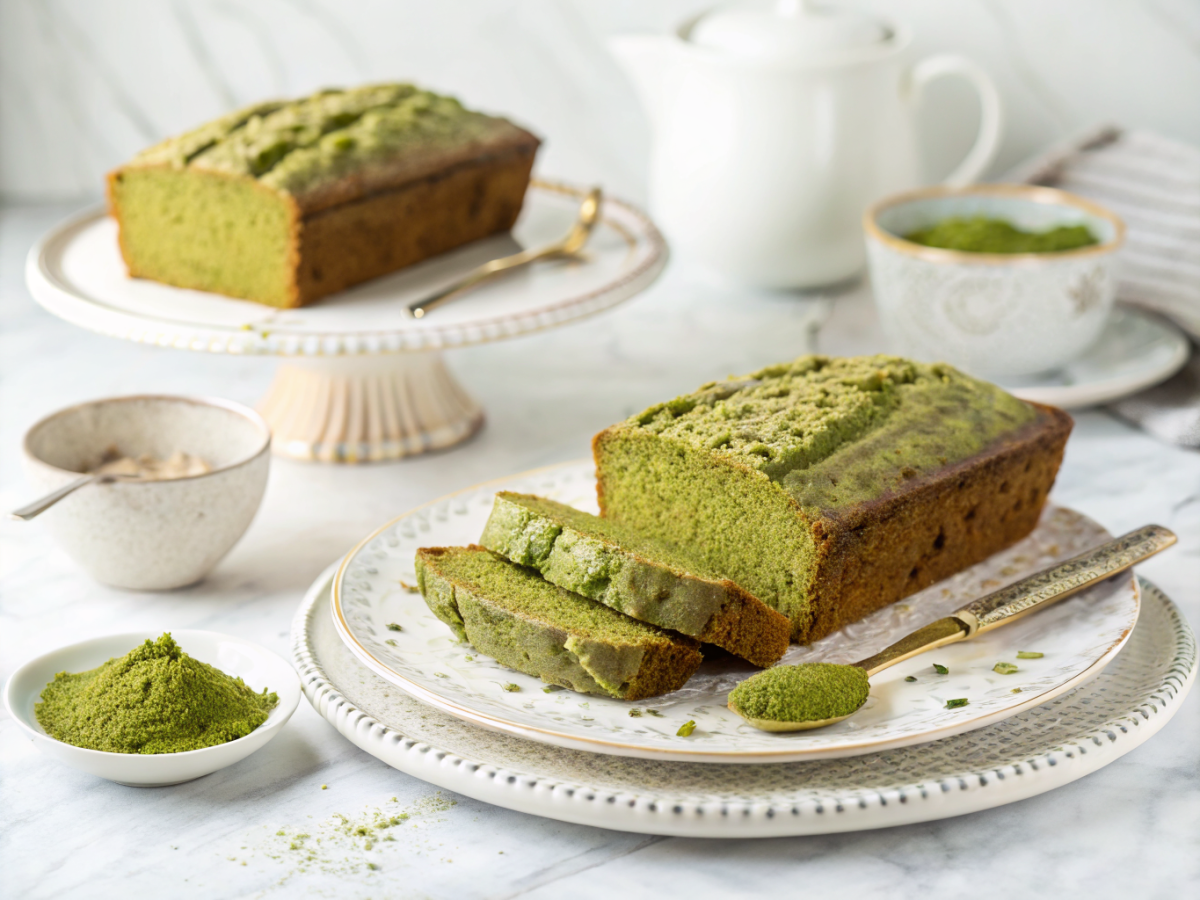
Healthy Matcha Banana Bread Gluten Free
Ingredients
Method
- Preheat your oven to 350 degrees Fahrenheit. Grease a 9x5 inch loaf pan with coconut oil or line it with parchment paper.
- In a large mixing bowl, mash the ripe bananas with a fork until smooth. Add the melted coconut oil, maple syrup, eggs, and vanilla extract. Whisk together until well combined.
- In a separate bowl, whisk together the gluten-free flour, matcha powder, baking soda, and salt until evenly distributed.
- Add the dry ingredients to the wet ingredients and gently fold together using a spatula until just combined. Do not overmix as this can make the bread dense.
- Pour the batter into the prepared loaf pan and smooth the top with a spatula. Bake for 45-50 minutes, or until a toothpick inserted into the center comes out clean.
- Remove from the oven and let the bread cool in the pan for 10 minutes, then transfer to a wire rack to cool completely before slicing.
- Slice and serve the matcha banana bread at room temperature. Store leftovers in an airtight container for up to 5 days.
Nutrition
Notes
Tried this recipe?
Let us know how it was!Matcha Banana Bread Gluten Free: 5 Easy Tips for Perfect Results
Creating the perfect gluten-free banana bread with matcha requires understanding a few key techniques. The combination of ripe bananas and high-quality matcha powder creates a unique flavor profile that’s both comforting and energizing. This recipe eliminates gluten without sacrificing texture or taste.
The vibrant green color from matcha makes this bread visually stunning and Instagram-worthy. Unlike traditional banana bread, this version offers antioxidants and a gentle caffeine boost from the matcha. The gluten-free flour blend ensures everyone can enjoy this delicious treat regardless of dietary restrictions.
Mastering this recipe opens up endless possibilities for customization and experimentation. Whether you’re new to gluten-free baking or a seasoned pro, these tips will help you achieve bakery-quality results. Let’s dive into what makes this bread so irresistible and foolproof.
Why You’ll Love This Matcha Banana Bread Gluten Free
This recipe stands out because it’s naturally sweetened primarily by ripe bananas, reducing the need for added sugars. The matcha provides a sophisticated flavor that complements the banana’s sweetness without overwhelming it. It’s a healthier alternative to traditional sweet breads while remaining incredibly satisfying.
The gluten-free aspect makes this bread accessible to those with celiac disease or gluten sensitivities. You won’t miss the gluten thanks to the perfect blend of alternative flours that create a moist, tender crumb. The texture rivals any conventional banana bread you’ve ever tasted.
Preparation is straightforward, requiring just one bowl and minimal cleanup. The ingredients are simple and likely already in your pantry, making this an easy weeknight baking project. From mixing to serving, you can have fresh bread ready in under an hour.
The matcha adds a beautiful color that makes each slice look as good as it tastes. This bread stays fresh for days and actually improves in flavor as it sits. It’s perfect for meal prep, allowing you to enjoy healthy snacks throughout the week.
Core Ingredients for Matcha Banana Bread Gluten Free
The foundation of this recipe starts with overripe bananas—the more brown spots, the better. These provide natural sweetness, moisture, and binding properties essential for gluten-free baking. Aim for at least three medium-sized bananas that are soft and fragrant.
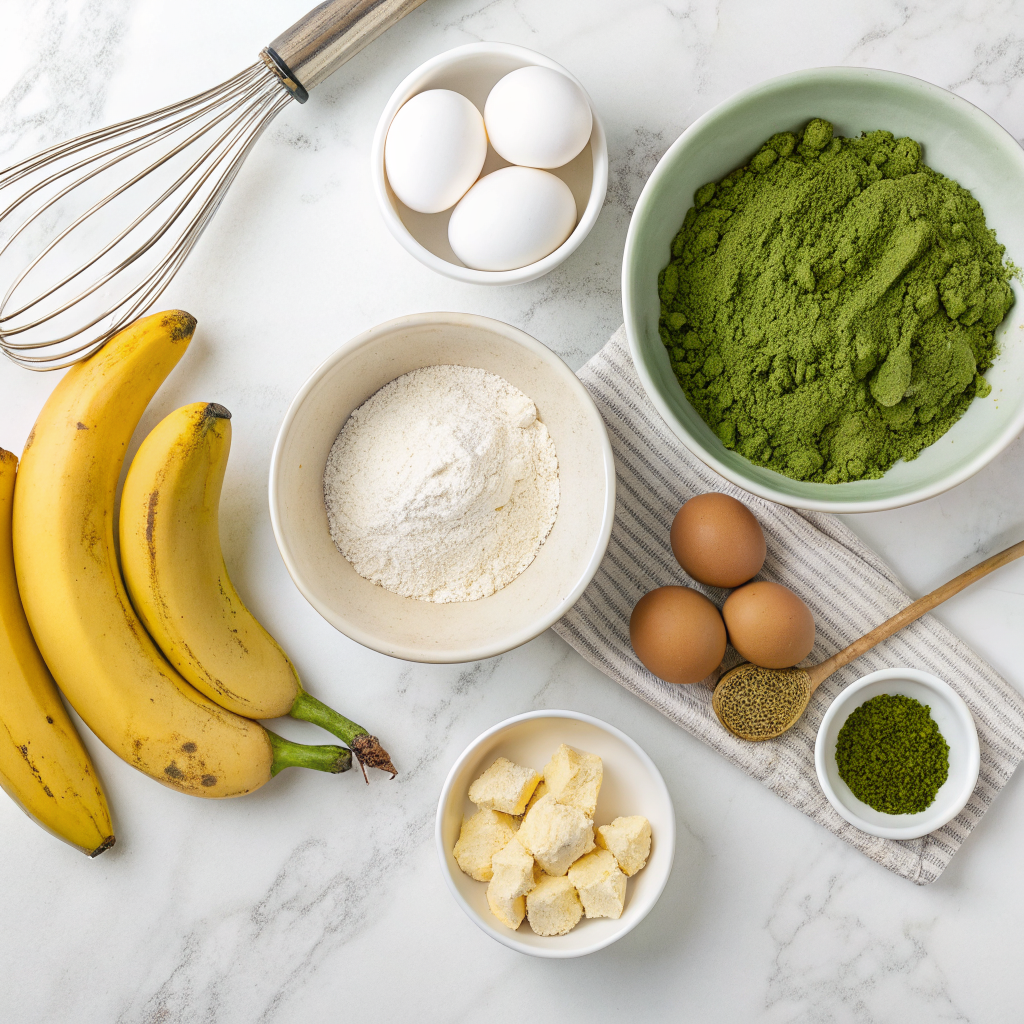
High-quality culinary-grade matcha powder is crucial for achieving the right flavor and color. Look for bright green matcha from Japan, which offers the best taste without bitterness. One to two tablespoons is sufficient to infuse the entire loaf with matcha goodness.
For the gluten-free flour base, a blend works best to mimic wheat flour’s properties. Consider using a combination of almond flour, oat flour, and tapioca starch for optimal texture. Many store-bought gluten-free all-purpose blends with xanthan gum also work beautifully in this recipe.
Eggs provide structure and help bind the ingredients together in the absence of gluten. Two large eggs are typically sufficient for a standard loaf. For vegan alternatives, flax eggs or chia eggs can substitute successfully.
A touch of honey, maple syrup, or coconut sugar adds extra sweetness while keeping the recipe refined-sugar-free. The amount can be adjusted based on how sweet your bananas are. Coconut oil or melted butter contributes moisture and richness to the final texture.
Baking soda and a pinch of salt are essential for proper rise and flavor balance. A splash of vanilla extract enhances the overall taste profile. Optional add-ins like walnuts, dark chocolate chips, or coconut flakes can elevate the bread even further.
How to Make Matcha Banana Bread Gluten Free: Step-by-Step
Begin by preheating your oven to 350°F (175°C) and preparing a 9×5-inch loaf pan with parchment paper or cooking spray. This ensures easy removal and prevents sticking. Having your pan ready before mixing prevents the batter from sitting too long.
In a large mixing bowl, mash your overripe bananas thoroughly using a fork or potato masher. Aim for a mostly smooth consistency with a few small chunks remaining for texture. The bananas should break down easily if they’re ripe enough.
Add the eggs, melted coconut oil, vanilla extract, and your chosen sweetener to the mashed bananas. Whisk everything together until well combined and smooth. This wet mixture forms the base that keeps your bread moist and flavorful.
In a separate bowl, combine your gluten-free flour blend, matcha powder, baking soda, and salt. Whisk these dry ingredients together to ensure the matcha is evenly distributed throughout. This prevents clumps of matcha in your finished bread.
Gently fold the dry ingredients into the wet mixture using a spatula or wooden spoon. Mix until just combined, being careful not to overmix, which can result in dense bread. A few small lumps are perfectly fine and will bake out.
If adding any mix-ins like nuts or chocolate chips, fold them in now. Reserve a few to sprinkle on top for visual appeal. Pour the batter into your prepared loaf pan and smooth the top with a spatula.
Bake for 50-60 minutes, or until a toothpick inserted into the center comes out clean or with just a few moist crumbs. The top should be golden and spring back when lightly touched. If the top browns too quickly, tent it with aluminum foil during the last 15 minutes.
Allow the bread to cool in the pan for 10 minutes before transferring to a wire rack. This cooling period helps the bread set and makes it easier to slice. Resist the temptation to cut into it while hot, as it may crumble.
Nutrition & Health Benefits
This bread offers significant nutritional advantages over traditional refined flour versions. Bananas provide potassium, vitamin B6, and dietary fiber that support heart health and digestion. They also contribute natural sweetness, reducing the need for processed sugars.
Matcha is packed with antioxidants called catechins, particularly EGCG, which may support metabolism and cellular health. It provides a calm, sustained energy boost without the jitters associated with coffee. The chlorophyll in matcha also supports natural detoxification processes.
Gluten-free flours like almond flour add protein and healthy fats to the recipe. These nutrients help stabilize blood sugar levels and provide lasting satiety. The bread becomes more nutritionally dense compared to wheat-based versions.
Using natural sweeteners instead of refined sugar helps maintain more stable energy levels throughout the day. Coconut oil provides medium-chain triglycerides that are easily metabolized for quick energy. Each slice delivers balanced nutrition that satisfies without the sugar crash.
For those interested in exploring more nutritious options, check out these healthy desserts that align with wellness goals. This bread fits perfectly into a balanced diet when enjoyed in moderation. The combination of complex carbohydrates, healthy fats, and protein makes it a complete snack.
Variations & Substitutions
For a nut-free version, replace almond flour with additional oat flour or a commercial nut-free gluten-free blend. Sunflower seed butter can substitute for any nut butter additions. These swaps maintain texture while accommodating allergies.
Vegan bakers can use flax eggs (1 tablespoon ground flaxseed mixed with 3 tablespoons water per egg). Allow the mixture to sit for 5 minutes to thicken before adding to the batter. Aquafaba (chickpea liquid) also works as an egg replacer in this recipe.
Experiment with different matcha intensities by adjusting the powder amount from 1 to 3 tablespoons. More matcha creates a stronger, more earthy flavor and deeper green color. Start with less if you’re new to matcha’s unique taste profile.
Add chocolate chips, chopped walnuts, pecans, or dried fruit for textural variety. White chocolate chips pair exceptionally well with matcha’s flavor. Coconut flakes add tropical notes that complement the banana beautifully.
Try swirling in almond butter or tahini before baking for added richness and protein. A cream cheese swirl creates a tangy contrast to the sweet banana. These additions transform the basic recipe into gourmet variations.
For a lower-carb version, increase the almond flour ratio and reduce the total flour amount slightly. Add extra eggs to maintain structure and moisture. This modification works well for those following ketogenic or low-carb diets.
Serving Suggestions
Enjoy this bread warm with a pat of grass-fed butter or coconut butter melting into each slice. The warmth enhances the matcha aroma and creates a comforting breakfast experience. A drizzle of honey or maple syrup adds extra indulgence.
Pair slices with your morning coffee or a matcha latte for a themed breakfast. The flavors complement each other beautifully, creating a café-quality experience at home. Greek yogurt on the side adds protein for a more balanced meal.
Toast slices and top with almond butter, sliced strawberries, and a sprinkle of chia seeds. This combination creates a nutrient-dense snack that satisfies hunger for hours. The contrast of textures makes each bite interesting and delicious.
Serve as dessert with a dollop of coconut whipped cream and fresh berries. The presentation elevates this simple bread into an elegant finish to any meal. A dusting of matcha powder on top adds visual appeal.
Pack slices for on-the-go breakfasts or afternoon snacks throughout the week. They travel well and provide sustained energy during busy days. Wrap individual slices in parchment paper for easy grab-and-go convenience.
This bread also pairs wonderfully with other items from our collection of breads and baked goods for a complete brunch spread. Create a beautiful breakfast board featuring multiple bread varieties. Your guests will be impressed by the vibrant colors and flavors.
Common Mistakes to Avoid
Using bananas that aren’t ripe enough is the most common error in banana bread recipes. Underripe bananas lack the sweetness and moisture needed for optimal results. Wait until your bananas have plenty of brown spots and are very soft to the touch.
Overmixing the batter develops too much structure in gluten-free flours, resulting in dense, gummy bread. Mix just until the dry ingredients are incorporated and no dry pockets remain. A few lumps are perfectly acceptable and will bake out.
Using low-quality or ceremonial-grade matcha instead of culinary grade can make the bread taste bitter. Ceremonial matcha is designed for drinking and is too delicate for baking. Invest in good culinary-grade matcha specifically formulated for cooking.
Not allowing the bread to cool properly before slicing leads to crumbling and messy cuts. The interior needs time to set as it cools down. Patience during this step ensures clean, beautiful slices that hold together.
Skipping the parchment paper or proper pan preparation can result in bread sticking stubbornly to the pan. This ruins the presentation and makes serving difficult. Take the extra minute to properly prepare your baking vessel.
Overbaking dries out the bread and creates a tough, unpleasant texture. Start checking for doneness at the 50-minute mark with a toothpick test. Remember that the bread continues cooking slightly as it cools in the pan.
Storage & Meal Prep Tips
Store cooled bread wrapped tightly in plastic wrap or in an airtight container at room temperature for up to 3 days. The bread actually improves in flavor and texture after the first day as the flavors meld. Keep it away from direct sunlight and heat sources.
For longer storage, refrigerate the wrapped bread for up to one week. This extends freshness but may slightly dry out the texture. Bring slices to room temperature or toast them before eating to restore moisture and warmth.
Freeze individual slices wrapped in plastic wrap and stored in a freezer bag for up to 3 months. This allows you to grab single servings as needed without thawing the entire loaf. Label with the date to track freshness.
Thaw frozen slices at room temperature for about 30 minutes or toast directly from frozen. The microwave works for quick thawing but can make the bread slightly rubbery. For best results, plan ahead and thaw naturally.
Meal prep by baking multiple loaves on the weekend and freezing extras for busy weeks ahead. This ensures you always have healthy, homemade options available. Rotate your stock to use older loaves first.
Consider slicing the entire loaf before freezing for maximum convenience. Place parchment paper between slices to prevent sticking together. This method makes it easy to grab exactly the amount you need.
Final Thoughts on Matcha Banana Bread Gluten Free
This Matcha Banana Bread Gluten Free recipe proves that healthy baking doesn’t require sacrificing flavor or satisfaction. The combination of wholesome ingredients creates a treat you can feel good about enjoying regularly. It’s versatile enough for breakfast, snacks, or dessert occasions.
The beautiful green color and unique flavor profile make this bread a conversation starter at any gathering. Friends and family will be impressed by both the appearance and taste. Many won’t even realize it’s gluten-free unless you tell them.
Baking this bread at home allows you to control ingredients and customize to your preferences. You’ll save money compared to purchasing specialty gluten-free baked goods from stores. The satisfaction of creating something delicious from scratch is immensely rewarding.
Once you master this basic recipe, endless variations await your creativity. Experiment with different add-ins, toppings, and flavor combinations to make it your own. Each batch is an opportunity to refine your technique and discover new favorites.
For more nutritious recipe inspiration, explore our collection of high-protein recipes that complement a balanced lifestyle. Building a repertoire of healthy homemade options supports long-term wellness goals. This bread deserves a permanent place in your regular baking rotation.
Frequently Asked Questions
Can I make Matcha Banana Bread Gluten Free without eggs?
Yes, you can make this Matcha Banana Bread Gluten Free using flax eggs or chia eggs as substitutes. Mix 1 tablespoon of ground flaxseed or chia seeds with 3 tablespoons of water per egg needed, let sit for 5 minutes until gel-like, then use as directed. Aquafaba (3 tablespoons per egg) also works well, though it may result in a slightly lighter texture.
How do I know when my matcha banana bread is fully baked?
Insert a toothpick or cake tester into the center of the bread—it should come out clean or with just a few moist crumbs attached. The top should be golden brown and spring back when lightly pressed. If the toothpick comes out with wet batter, continue baking in 5-minute increments until done, typically 50-60 minutes total.
What’s the best gluten-free flour for this recipe?
A gluten-free all-purpose flour blend containing xanthan gum works best for Matcha Banana Bread Gluten Free. Alternatively, combine almond flour, oat flour, and tapioca starch in equal parts for excellent results. Bob’s Red Mill 1-to-1 Baking Flour and King Arthur Measure for Measure are reliable commercial options that consistently produce great texture.
Can I reduce the sugar in this recipe?
Yes, the natural sweetness from ripe bananas means you can reduce or even eliminate added sweeteners in this recipe. Start by cutting the sweetener in half and adjust based on your taste preferences and banana ripeness. Very ripe bananas with lots of brown spots provide maximum natural sweetness, requiring minimal additional sugar.
For more culinary inspiration, visit AllRecipes.

creates quick vegetarian dinners and vibrant taco recipes.