
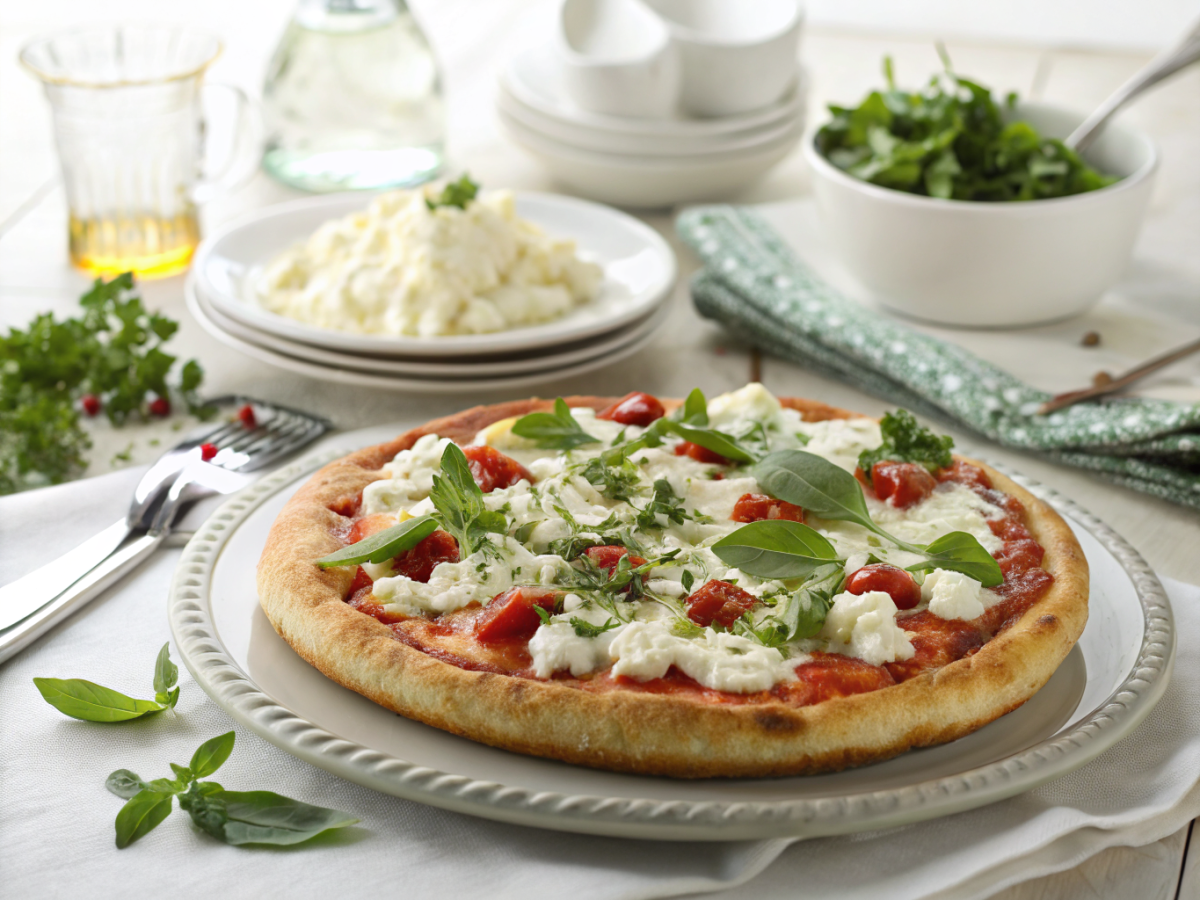
Cottage Cheese Pizza With Herbs Everyone Will Ask You To Make Again
Ingredients
Method
- Preheat your oven to 450 degrees Fahrenheit. If using a pizza stone, place it in the oven while preheating.
- Roll out the pizza dough on a lightly floured surface to your desired thickness, about 12 inches in diameter. Transfer to a pizza pan or parchment paper.
- In a medium bowl, combine the cottage cheese, minced garlic, half of the fresh herbs, salt, and pepper. Mix well until evenly combined.
- Brush the pizza dough with olive oil. Spread the cottage cheese mixture evenly over the dough, leaving a small border around the edges. Sprinkle the shredded mozzarella cheese on top.
- Bake in the preheated oven for 15-20 minutes, or until the crust is golden brown and the cheese is melted and bubbly.
- Remove the pizza from the oven and immediately sprinkle with the remaining fresh herbs.
- Let the pizza cool for 2-3 minutes, then slice and serve hot. Enjoy your cottage cheese pizza with herbs!
Nutrition
Notes
Tried this recipe?
Let us know how it was!Cottage Cheese Pizza With Herbs: 5 Easy Tips for Perfect Results
Creating the perfect cottage cheese pizza requires attention to a few key details that elevate this dish from good to extraordinary. The secret lies in properly draining your cottage cheese to prevent a soggy crust, which is the foundation of success. Understanding these fundamental techniques ensures your pizza turns out perfectly crispy on the outside while maintaining that creamy, herb-infused topping.
First, always drain your cottage cheese thoroughly by placing it in a fine-mesh strainer for at least 15 minutes before use. This removes excess moisture that would otherwise make your pizza base watery. Press gently with a paper towel to absorb any remaining liquid without losing the cheese’s creamy texture.
Second, preheat your oven to at least 425°F to ensure the crust develops that golden, crispy exterior. A hot oven is crucial for achieving the right texture contrast between the base and topping. Consider using a pizza stone if you have one, as it distributes heat more evenly.
Third, don’t overload your pizza with toppings, as this can weigh down the cottage cheese layer. A light hand with herbs and additional ingredients allows each flavor to shine through. The cottage cheese itself is already rich and substantial, so less is definitely more here.
Fourth, blend half of your cottage cheese until smooth while leaving the other half chunky for textural variety. This creates an interesting mouthfeel that keeps every bite engaging. The smooth portion acts as a creamy sauce while the curds provide pleasant pockets of richness.
Fifth, always let your pizza rest for 3-5 minutes after baking before slicing. This allows the cottage cheese topping to set slightly, making it easier to cut clean slices. Rushing this step results in a messy presentation that doesn’t do justice to your culinary efforts.
Why You’ll Love This Cottage Cheese Pizza With Herbs
The versatility of this recipe makes it perfect for various dietary preferences and occasions. It’s naturally high in protein, making it ideal for fitness enthusiasts and anyone looking to increase their protein intake without sacrificing flavor. The fresh herbs add a gourmet touch that impresses guests while keeping the ingredient list simple and accessible.
Unlike traditional pizza loaded with heavy cheeses and processed meats, this lighter version won’t leave you feeling sluggish. The cottage cheese provides a satisfying creaminess with fewer calories and more nutritional benefits. You can enjoy a generous portion without the guilt that often accompanies pizza night.
This recipe is incredibly budget-friendly compared to ordering takeout or using expensive specialty cheeses. Cottage cheese is typically one of the most affordable protein sources at the grocery store. Combined with basic herbs and a simple dough, you’re creating an impressive meal for a fraction of restaurant prices.
The preparation time is remarkably short, making this an excellent weeknight dinner option when time is limited. From start to finish, you can have this pizza on the table in under 40 minutes. It’s faster than delivery and infinitely more nutritious, fitting perfectly into busy schedules.
Kids and adults alike find this pizza appealing, making it a family-friendly option that pleases diverse palates. The mild flavor of cottage cheese serves as a blank canvas that accepts various herb combinations. You can customize it to suit individual preferences, ensuring everyone at the table enjoys their meal.
Core Ingredients for Cottage Cheese Pizza With Herbs
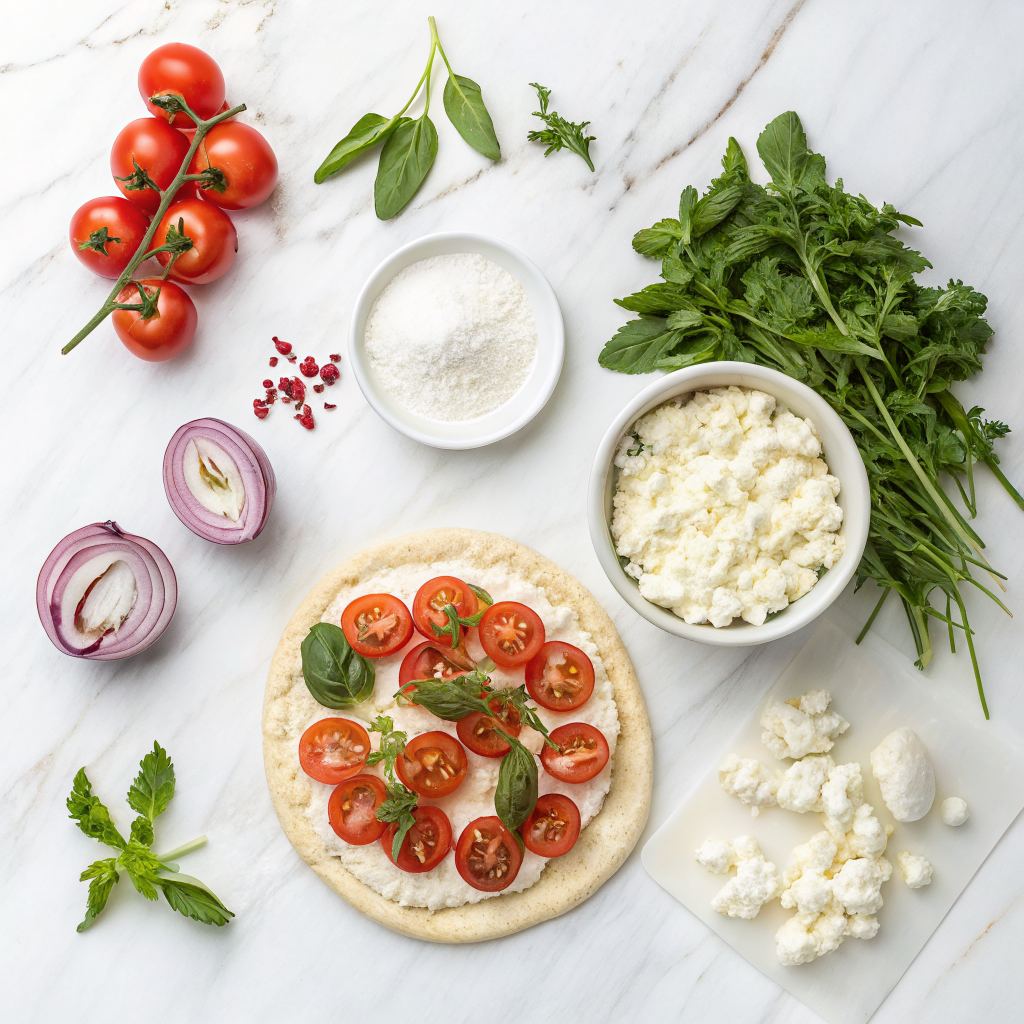
The ingredient list for this recipe is refreshingly straightforward, focusing on quality over quantity. Each component plays a specific role in creating the final flavor profile and texture. Gathering everything before you start ensures a smooth cooking process without interruptions.
For the Pizza Dough
- 2 cups all-purpose flour (plus extra for dusting)
- 1 packet (2¼ teaspoons) instant yeast
- ¾ cup warm water (110°F)
- 1 tablespoon olive oil
- 1 teaspoon sugar
- ½ teaspoon salt
For the Cottage Cheese Topping
- 2 cups whole milk cottage cheese, drained
- 2 tablespoons fresh basil, finely chopped
- 1 tablespoon fresh oregano, finely chopped
- 1 tablespoon fresh thyme leaves
- 2 cloves garlic, minced
- ¼ cup grated Parmesan cheese
- 2 tablespoons olive oil
- ½ teaspoon black pepper
- ¼ teaspoon red pepper flakes (optional)
- Zest of one lemon
- Salt to taste
The quality of your cottage cheese significantly impacts the final result, so choose a brand with minimal additives. Look for varieties with simple ingredients: cultured milk, cream, and salt. Full-fat cottage cheese provides the best flavor and creaminess, though low-fat versions work if you prefer a lighter option.
Fresh herbs are non-negotiable for achieving the vibrant flavor this pizza is known for. Dried herbs simply cannot replicate the bright, aromatic quality that fresh basil, oregano, and thyme provide. If you grow your own herbs, this is the perfect recipe to showcase your garden’s bounty.
Using high-quality olive oil enhances both the dough and the topping with its fruity, peppery notes. Extra virgin olive oil is worth the investment for this recipe. It adds depth to the overall flavor profile while contributing healthy fats that help your body absorb fat-soluble vitamins from the herbs.
How to Make Cottage Cheese Pizza With Herbs: Step-by-Step
Following these detailed instructions ensures consistent, delicious results every time you make this pizza. Take your time with each step, especially if you’re new to pizza making. The process is forgiving and becomes easier with practice, so don’t worry if your first attempt isn’t perfect.
Preparing the Dough
In a large mixing bowl, combine the warm water, sugar, and yeast, then let it sit for 5 minutes until foamy. This activates the yeast and confirms it’s alive and ready to work. If the mixture doesn’t foam, your yeast may be expired, and you’ll need to start over with fresh yeast.
Add the flour, olive oil, and salt to the yeast mixture, stirring until a shaggy dough forms. Turn the dough onto a floured surface and knead for 8-10 minutes until smooth and elastic. The dough should be slightly tacky but not sticky; add flour gradually if needed.
Place the dough in an oiled bowl, cover with a damp towel, and let it rise in a warm spot for 30 minutes. The dough should roughly double in size during this time. While waiting, you can prepare your cottage cheese mixture, making efficient use of your time.
Creating the Cottage Cheese Mixture
Drain your cottage cheese in a fine-mesh strainer, pressing gently to remove excess liquid without completely drying it out. Transfer half of the drained cottage cheese to a food processor and blend until completely smooth. Leave the remaining half in its natural curd form for texture contrast.
In a medium bowl, combine both the smooth and chunky cottage cheese with the minced garlic, chopped herbs, Parmesan, lemon zest, olive oil, black pepper, and red pepper flakes if using. Mix thoroughly but gently to maintain some texture. Taste and adjust seasoning with salt, keeping in mind that Parmesan adds saltiness.
Let the mixture sit at room temperature while your dough finishes rising. This allows the flavors to meld together beautifully. The garlic will mellow slightly, and the herbs will infuse their essence throughout the cottage cheese base.
Assembling and Baking
Preheat your oven to 425°F and position a rack in the lower third of the oven. If using a pizza stone, place it in the oven during preheating for optimal heat distribution. Line a baking sheet with parchment paper if not using a stone.
Punch down the risen dough and roll it out on a floured surface to your desired thickness, typically about ¼ inch. Transfer the dough to your prepared baking sheet or pizza peel if using a stone. Create a slightly raised edge around the perimeter to contain the cottage cheese topping.
Spread the cottage cheese mixture evenly over the dough, leaving a ½-inch border around the edges. Don’t be tempted to pile it too high; a thin, even layer works best. Drizzle a little extra olive oil over the top and sprinkle with additional Parmesan if desired.
Bake for 18-22 minutes until the crust is golden brown and the cottage cheese topping has set with lightly browned spots. The edges should be crispy and the bottom should sound hollow when tapped. Remove from the oven and let rest for 5 minutes before slicing.
Garnish with fresh herbs, a drizzle of olive oil, and freshly cracked black pepper before serving. The residual heat will release the aromatics from the fresh herbs, creating an enticing aroma. Slice into wedges and serve immediately while still warm for the best experience.
Nutrition & Health Benefits
This pizza offers an impressive nutritional profile that sets it apart from conventional pizza options. Each serving provides approximately 18-22 grams of protein, making it an excellent choice for muscle recovery and satiety. The high protein content helps keep you full longer, reducing the temptation to snack between meals.
Cottage cheese is rich in casein protein, which digests slowly and provides a steady stream of amino acids. This makes it particularly beneficial for evening meals, supporting muscle repair during sleep. The calcium content also supports bone health, with each serving providing about 15-20% of your daily calcium needs.
Fresh herbs contribute more than just flavor; they’re packed with antioxidants and anti-inflammatory compounds. Basil contains flavonoids that protect cells from damage, while oregano has one of the highest antioxidant activities among herbs. Thyme provides vitamin K, important for blood clotting and bone metabolism.
The olive oil in this recipe provides heart-healthy monounsaturated fats that support cardiovascular health. These fats help reduce bad cholesterol levels while maintaining good cholesterol. They also enhance the absorption of fat-soluble vitamins present in the herbs and cheese.
Compared to traditional pizza, this version typically contains 30-40% fewer calories per slice while offering superior nutritional value. The reduced saturated fat content makes it a heart-healthier option without sacrificing satisfaction. It’s an excellent example of how smart ingredient swaps can transform comfort food into nourishing meals.
Variations & Substitutions
The beauty of this recipe lies in its adaptability to various dietary needs and flavor preferences. You can easily modify ingredients while maintaining the core concept of a cottage cheese base. Experimentation is encouraged, as you might discover a combination that becomes your signature version.
Crust Alternatives
For a gluten-free option, substitute the all-purpose flour with a gluten-free pizza crust mix or use a cauliflower crust. These alternatives work wonderfully with the cottage cheese topping, maintaining the recipe’s health-conscious profile. Pre-made gluten-free crusts from the store can save time without compromising results.
Try using whole wheat flour for added fiber and a nuttier flavor that complements the herbs beautifully. The dough may be slightly denser but will provide more nutritional value. You can also experiment with a sourdough base for tangy complexity that pairs well with the mild cottage cheese.
Herb Combinations
While the classic Italian herb trio works perfectly, don’t hesitate to explore other combinations. Try rosemary and sage for an earthy profile, or cilantro and lime for a Mexican-inspired twist. Dill and chives create a lighter, more delicate flavor that’s particularly refreshing in warmer months.
Mediterranean-inspired variations might include mint, parsley, and a touch of za’atar seasoning. For an Indian fusion, try cilantro, curry leaves, and a pinch of garam masala. The cottage cheese base is neutral enough to accommodate virtually any herb combination you can imagine.
Additional Toppings
While this recipe shines in its simplicity, strategic additions can create interesting variations. Cherry tomatoes, thinly sliced and added before baking, provide bursts of acidity that balance the creamy cheese. Caramelized onions add sweetness and depth that complement the herbs beautifully.
For added protein, consider topping with grilled chicken, shrimp, or chickpeas before baking. Vegetables like roasted red peppers, zucchini ribbons, or sautéed mushrooms work wonderfully without overwhelming the delicate cottage cheese base. Just remember to keep toppings light to prevent sogginess.
A drizzle of balsamic glaze after baking adds a sweet-tart element that elevates the entire dish. Toasted pine nuts or walnuts sprinkled on top provide crunch and healthy fats. These simple additions can transform the pizza for different occasions without requiring additional cooking skills.
Serving Suggestions
This pizza pairs beautifully with a crisp green salad dressed in lemon vinaigrette, creating a balanced meal. The acidity of the dressing cuts through the richness of the cottage cheese while the greens add freshness. Consider including arugula, spinach, or mixed baby greens with shaved Parmesan and pine nuts.
For a heartier meal, serve alongside a bowl of minestrone or tomato basil soup. The combination creates a satisfying Italian-inspired dinner that’s perfect for cooler evenings. The soup’s warmth complements the pizza’s texture, making it an ideal pairing for dinner recipes that comfort and nourish.
Consider cutting the pizza into smaller squares for appetizer portions at gatherings. This presentation style makes it easy for guests to enjoy while mingling. Serve with small plates of marinated olives, roasted vegetables, and additional fresh herbs for a Mediterranean-themed spread.
Wine pairing options include crisp white wines like Pinot Grigio or Sauvignon Blanc, which complement the herbs without overpowering them. For red wine lovers, a light Chianti or Pinot Noir works well. Non-alcoholic options like sparkling water with lemon or herbal iced tea also pair nicely.
Leftover slices make an excellent breakfast or brunch option when reheated and topped with a fried egg. The combination of cottage cheese and egg provides an protein-packed start to your day. This versatility makes the recipe valuable beyond traditional dinner service.
Common Mistakes to Avoid
One of the most frequent errors is failing to properly drain the cottage cheese, resulting in a watery pizza. Always take the time to remove excess moisture, even if it means waiting an extra 10 minutes. This single step makes the difference between a soggy disappointment and a perfectly textured pizza.
Using dried herbs instead of fresh is another common shortcut that significantly diminishes the final result. The vibrant, aromatic quality of fresh herbs is central to this recipe’s appeal. If you absolutely must use dried herbs, reduce the quantity by two-thirds and add some fresh parsley for brightness.
Overloading the pizza with too much cottage cheese mixture creates an unbalanced dish that’s difficult to eat. A thin, even layer allows the crust to shine while providing enough topping for flavor. Remember that cottage cheese is quite rich, so a little goes a long way.
Baking at too low a temperature prevents the crust from developing proper crispness before the topping overcooks. Always preheat your oven fully and use the recommended 425°F temperature. If your oven runs cool, consider increasing to 450°F for optimal results.
Slicing the pizza immediately after removing it from the oven causes the topping to slide off in a messy heap. Patience during the resting period allows the cottage cheese to set slightly, making clean slices possible. This brief wait dramatically improves presentation and eating experience.
Storage & Meal Prep Tips
Leftover pizza stores well in an airtight container in the refrigerator for up to 3 days. Place parchment paper between slices to prevent sticking and maintain texture. The cottage cheese topping may firm up slightly when cold but returns to a pleasant consistency when reheated properly.
For reheating, avoid the microwave if possible, as it makes the crust soggy and the cottage cheese rubbery. Instead, reheat slices in a preheated 375°F oven for 8-10 minutes until warmed through. Alternatively, use a skillet over medium heat with a lid to trap steam, which warms the topping while crisping the bottom.
The cottage cheese mixture can be prepared up to 24 hours in advance and stored covered in the refrigerator. This makes assembly quick when you’re ready to bake, perfect for quick easy meals during busy weeknights. Bring it to room temperature for 15 minutes before spreading for easier application.
Pizza dough can be made ahead and refrigerated for up to 2 days or frozen for up to 3 months. If freezing, wrap tightly in plastic wrap and place in a freezer bag. Thaw overnight in the refrigerator before using, then let it come to room temperature for easier rolling.
For meal prep purposes, you can fully assemble unbaked pizzas and freeze them for up to 2 months. Wrap tightly in plastic wrap and aluminum foil to prevent freezer burn. Bake directly from frozen, adding 5-7 minutes to the cooking time for best results.
Pro Tip: Individual-sized pizzas freeze better than large ones, as they thaw and reheat more evenly. Consider making several personal pizzas for convenient single servings throughout the week.
Final Thoughts on Cottage Cheese Pizza With Herbs
This Cottage Cheese Pizza With Herbs represents a perfect balance of nutrition, flavor, and convenience that modern home cooks crave. It proves that healthy eating doesn’t require sacrificing taste or spending hours in the kitchen. The recipe’s simplicity makes it accessible to beginners while offering enough room for creativity to keep experienced cooks engaged.
The versatility of this dish ensures it will become a regular rotation in your meal planning. Whether you’re feeding a family, meal prepping for the week, or entertaining guests, this pizza adapts to various needs effortlessly. Its impressive presentation belies the straightforward preparation, making you look like a culinary expert with minimal effort.
By choosing cottage cheese as the base, you’re making a conscious decision to nourish your body with quality protein and nutrients. The fresh herbs provide not just flavor but also valuable phytonutrients that support overall health. This recipe exemplifies how smart ingredient choices can transform comfort food into functional nutrition.
Don’t be surprised when this becomes the most requested dish among your friends and family. The unique combination of creamy cottage cheese and aromatic herbs creates a memorable eating experience that stands out from typical pizza offerings. Once people taste it, they’ll understand why Cottage Cheese Pizza With Herbs deserves a permanent place in your recipe collection.
Frequently Asked Questions
Can I use low-fat cottage cheese instead of full-fat?
Yes, low-fat cottage cheese works in this recipe, though the final result will be slightly less creamy and rich. The texture remains pleasant, and you’ll save some calories without drastically compromising flavor. If using low-fat cottage cheese, consider adding an extra tablespoon of olive oil to the mixture to maintain moisture and mouthfeel.
How do I prevent my Cottage Cheese Pizza With Herbs from getting soggy?
The key to preventing sogginess is thoroughly draining your cottage cheese before use and not over-topping the pizza. Press the cottage cheese in a strainer for at least 15 minutes, and apply a thin, even layer on the dough. Baking at the proper temperature (425°F) also ensures the crust crisps up before excess moisture can make it soggy.
Can I make this recipe without a stand mixer?
Absolutely! The dough for Cottage Cheese Pizza With Herbs can be easily made by hand with just a bowl and some elbow grease. Mix the ingredients with a wooden spoon until combined, then knead by hand on a floured surface for 8-10 minutes. The manual method actually gives you better feel for the dough’s texture and development.
What’s the best way to reheat leftover cottage cheese pizza?
The oven method produces the best results for reheating this pizza while maintaining texture. Preheat your oven to 375°F and bake slices for 8-10 minutes until heated through and the crust regains crispness. Alternatively, reheat in a covered skillet over medium heat for 5-7 minutes, which crisps the bottom while gently warming the cottage cheese topping.
For more culinary inspiration, visit AllRecipes.
