
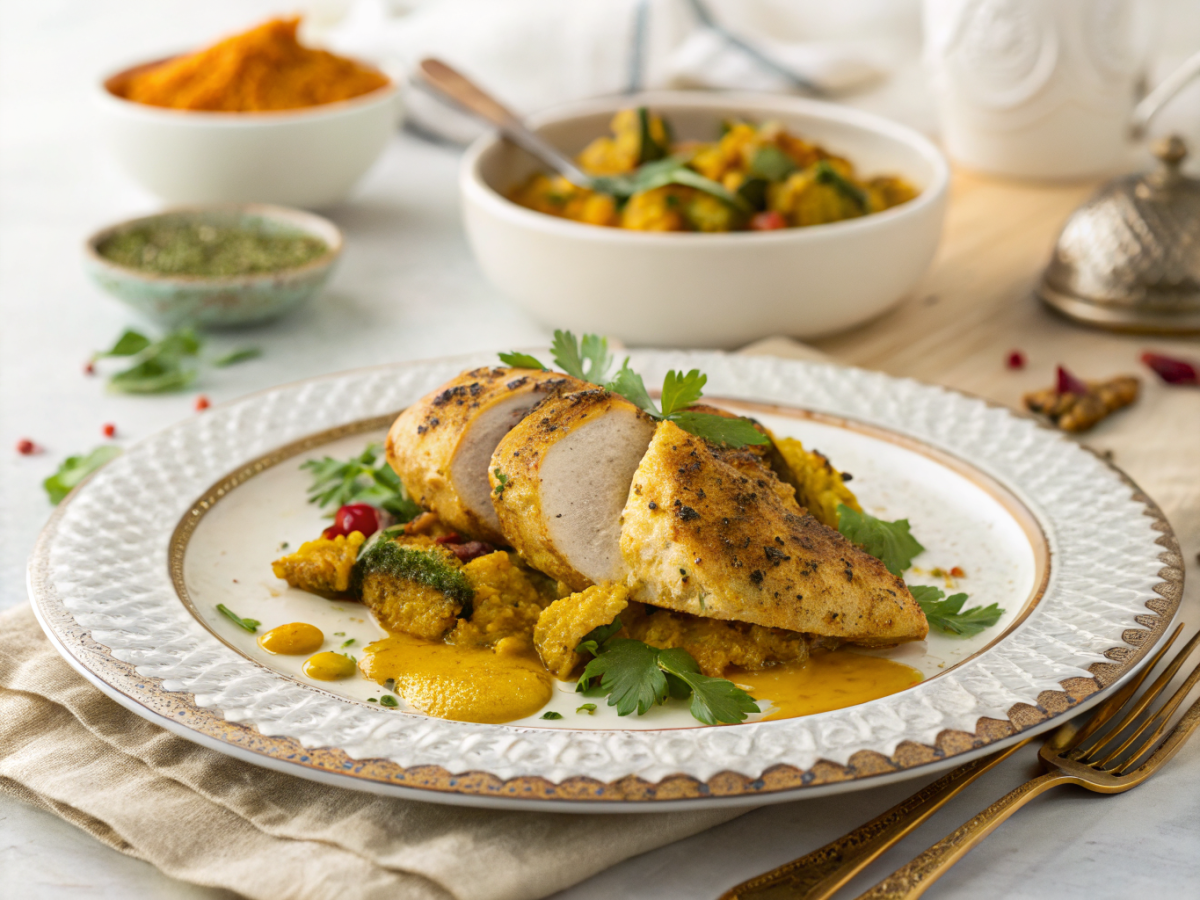
Anti Inflammatory Turmeric Chicken Everyone Will Ask You To Make Again
Ingredients
Method
- Pat the chicken pieces dry with paper towels and season with salt and pepper. Set aside while you prepare the turmeric marinade.
- In a small bowl, combine turmeric, ground ginger, minced garlic, and 1 tablespoon of olive oil to form a paste. Coat the chicken pieces evenly with this mixture and let marinate for 10 minutes.
- Heat the remaining tablespoon of olive oil in a large skillet over medium-high heat until shimmering but not smoking.
- Add the marinated chicken pieces to the hot skillet in a single layer. Cook for 5-6 minutes without moving, allowing a golden crust to form on the bottom.
- Flip the chicken pieces and cook for another 5-6 minutes until the second side is golden and the chicken is nearly cooked through.
- Pour in the chicken broth and lemon juice, scraping up any browned bits from the bottom of the pan. Reduce heat to medium-low and simmer for 5-7 minutes until the chicken is fully cooked and the sauce has thickened slightly.
- Remove from heat and let rest for 2-3 minutes. Serve hot with your choice of rice, quinoa, or roasted vegetables.
Nutrition
Notes
Tried this recipe?
Let us know how it was!Anti Inflammatory Turmeric Chicken: 5 Simple Tips for Perfect Results
Creating the perfect Anti Inflammatory Turmeric Chicken starts with understanding a few key techniques that elevate this dish from good to extraordinary. The secret lies in properly marinating the chicken to allow the turmeric and spices to penetrate deeply into the meat. This not only enhances flavor but also maximizes the anti-inflammatory compounds that make this dish so beneficial for your health.
First, always use fresh turmeric when possible, though high-quality ground turmeric works wonderfully too. Combine it with black pepper, which contains piperine—a compound that increases curcumin absorption by up to 2000%. This simple pairing transforms your chicken into a nutritional powerhouse while creating layers of complex, warming flavors.
Second, don’t rush the marination process. Allow your chicken to sit in the turmeric mixture for at least 30 minutes, or ideally overnight in the refrigerator. This patience pays off with incredibly tender, flavorful meat that’s infused with golden goodness throughout.
Third, control your cooking temperature carefully. Medium-high heat creates a beautiful caramelized crust while keeping the interior juicy and succulent. Too high, and you’ll burn the turmeric before the chicken cooks through; too low, and you’ll miss that delicious golden exterior.
Fourth, add a splash of acid like lemon juice or yogurt to your marinade. This not only tenderizes the chicken but also brightens the earthy turmeric flavors, creating a more balanced and complex taste profile. The acidity cuts through richness and adds a refreshing dimension to every bite.
Fifth, finish with fresh herbs like cilantro or parsley. These add a pop of color and freshness that complements the warm, earthy spices perfectly. They also contribute additional antioxidants and nutrients, making your meal even more beneficial for reducing inflammation and supporting overall wellness.
Why You’ll Love This Anti Inflammatory Turmeric Chicken
This recipe stands out because it combines restaurant-quality flavor with genuine health benefits that you can feel. The star ingredient, turmeric, contains curcumin—a powerful anti-inflammatory compound that has been studied extensively for its ability to reduce chronic inflammation throughout the body. You’re not sacrificing taste for health; you’re getting both in one incredible dish.
The preparation is remarkably straightforward, requiring just basic pantry staples and minimal hands-on time. Even beginners can master this recipe on their first attempt, while experienced cooks will appreciate how easily it adapts to different flavor profiles and dietary needs. It’s versatile enough for weeknight dinners yet impressive enough for entertaining guests.
Budget-friendly and family-approved, this chicken dish pleases even the pickiest eaters. The warm, slightly earthy flavor of turmeric becomes mellow and inviting when properly balanced with complementary spices. Kids and adults alike find themselves reaching for seconds, often unaware they’re eating something so nutritious.
Meal prep enthusiasts will love how well this chicken stores and reheats throughout the week. The flavors actually deepen and improve after a day or two, making it perfect for batch cooking. You can easily double or triple the recipe to stock your freezer with healthy, ready-to-eat meals.
For those following specific dietary patterns, this recipe naturally fits into paleo, keto, Whole30, and gluten-free lifestyles. It’s also dairy-free when prepared with oil instead of ghee, making it accessible to people with various dietary restrictions. This inclusivity means you can serve it confidently at gatherings without worrying about accommodating different needs.
Core Ingredients for Anti Inflammatory Turmeric Chicken
The foundation of this recipe starts with high-quality chicken pieces—boneless, skinless thighs work exceptionally well due to their tenderness and ability to stay moist during cooking. However, chicken breasts are equally suitable if you prefer leaner meat. Aim for about two pounds to serve four people generously, or adjust quantities based on your needs.
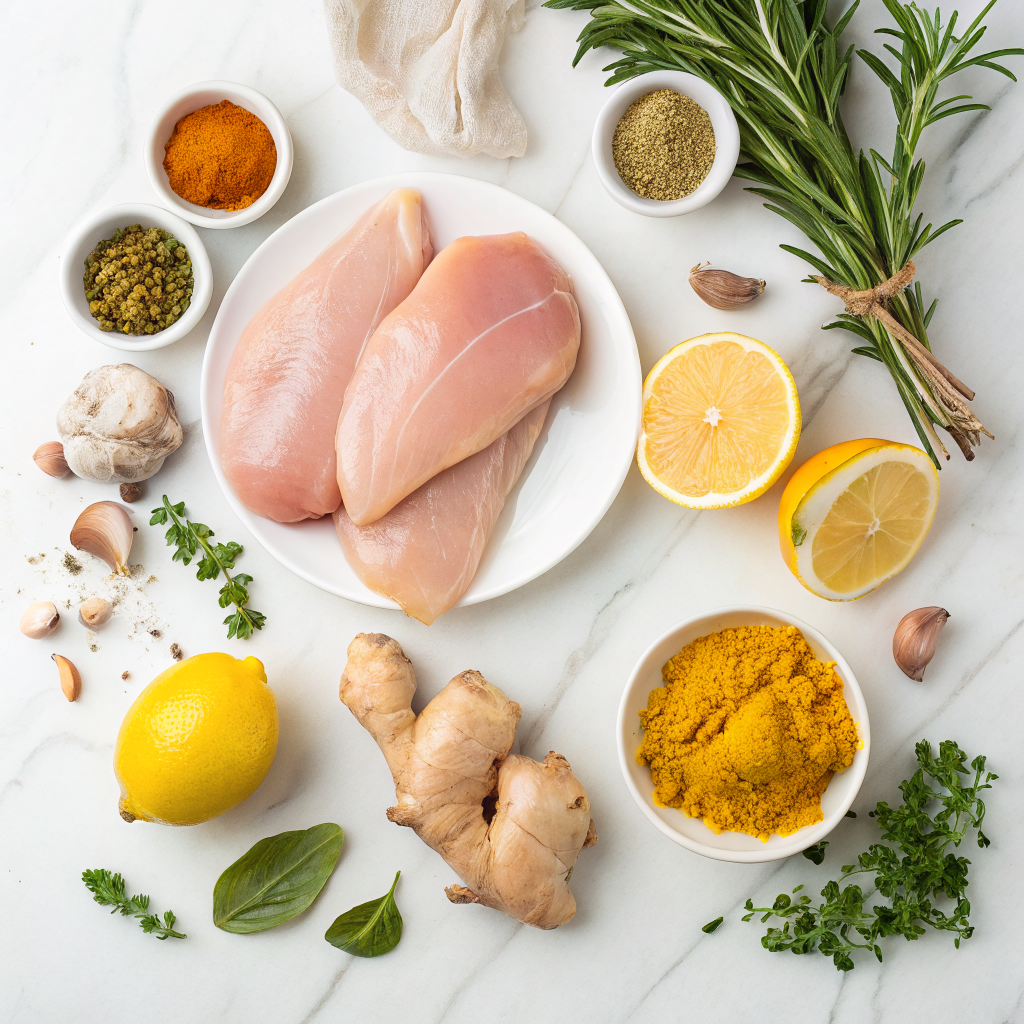
Turmeric powder forms the heart of this dish—you’ll need about two to three tablespoons for proper flavor and health benefits. Look for bright orange-yellow powder with a fresh, slightly peppery aroma. Store it in a cool, dark place to maintain potency, as light and heat can degrade the beneficial curcumin compounds over time.
Black pepper is non-negotiable in this recipe, as it dramatically increases the bioavailability of curcumin. Use freshly ground pepper when possible for the most piperine content. Just half a teaspoon makes a significant difference in how your body absorbs and utilizes the anti-inflammatory properties of turmeric.
Aromatic ingredients like garlic, ginger, and onions add depth and additional anti-inflammatory benefits. Fresh garlic cloves (about four to six) provide allicin, while fresh ginger root (a two-inch piece, grated) contributes gingerol—both powerful compounds that work synergistically with curcumin. One medium onion, finely chopped, creates a flavorful base and adds natural sweetness.
For the marinade and cooking liquid, you’ll need high-quality fat like olive oil, coconut oil, or ghee. About three tablespoons suffices for marinating and cooking. Add plain yogurt (half a cup) for extra tenderness and tanginess, or use coconut milk for a dairy-free alternative that adds richness and tropical notes.
Supporting spices round out the flavor profile beautifully. Include one teaspoon each of cumin, coriander, and paprika for warmth and complexity. A pinch of cinnamon adds subtle sweetness, while cayenne pepper (optional) provides heat. Fresh lemon juice (from one lemon) brightens everything and helps with curcumin absorption.
Don’t forget salt to taste—it enhances all the other flavors and helps the chicken retain moisture during cooking. Sea salt or Himalayan pink salt work wonderfully. Fresh cilantro or parsley for garnish adds the perfect finishing touch, contributing freshness and visual appeal to your golden-hued creation.
If you’re looking to expand your repertoire of wholesome meals, check out these dinner recipes that prioritize both flavor and nutrition.
How to Make Anti Inflammatory Turmeric Chicken: Step-by-Step
Begin by preparing your marinade in a large mixing bowl. Combine the turmeric powder, black pepper, cumin, coriander, paprika, and salt, whisking them together to ensure even distribution. Add the minced garlic, grated ginger, and yogurt (or coconut milk), stirring until you achieve a smooth, vibrant yellow paste.
Pat your chicken pieces completely dry with paper towels—this crucial step ensures the marinade adheres properly and helps achieve better browning later. Cut any larger pieces into uniform sizes so everything cooks evenly. Add the chicken to the marinade, turning each piece to coat thoroughly on all sides.
Cover the bowl with plastic wrap or transfer everything to a zip-top bag, removing as much air as possible. Refrigerate for at least 30 minutes, though two to four hours yields even better results. If you’re planning ahead, marinating overnight allows the flavors to penetrate deeply, creating incredibly tender and flavorful chicken.
When ready to cook, remove the chicken from the refrigerator and let it sit at room temperature for about 15 minutes. This ensures more even cooking throughout. Meanwhile, heat two tablespoons of your chosen cooking fat in a large skillet or cast-iron pan over medium-high heat until shimmering but not smoking.
Shake off excess marinade from each chicken piece—you want a coating, not a thick layer that will burn. Place the chicken in the hot pan without crowding; work in batches if necessary to maintain proper temperature. Sear for about five to seven minutes on the first side without moving the pieces, allowing a golden crust to form.
Flip the chicken carefully and reduce heat to medium. Cook for another six to eight minutes, depending on thickness, until the internal temperature reaches 165°F (74°C) when checked with a meat thermometer. The exterior should be beautifully golden with slightly charred edges, while the interior remains juicy and tender.
If you reserved some marinade, you can create a quick pan sauce. After removing the cooked chicken, add the remaining marinade to the hot pan along with half a cup of chicken broth or water. Simmer for three to four minutes, scraping up any browned bits from the bottom, until the sauce thickens slightly and reduces by half.
Let the chicken rest for five minutes before serving—this allows the juices to redistribute throughout the meat, ensuring every bite is moist and flavorful. Drizzle with the pan sauce if you made it, squeeze fresh lemon juice over the top, and garnish generously with chopped fresh herbs.
For a complete meal, serve this alongside cauliflower rice, quinoa, or roasted vegetables. The golden turmeric-infused chicken pairs beautifully with cooling elements like cucumber raita or a simple green salad. The contrast of warm spices with fresh, crisp accompaniments creates a perfectly balanced dining experience.
Those interested in preparing meals efficiently should explore these quick and easy meal ideas that complement busy lifestyles without compromising quality.
Nutrition & Health Benefits
The nutritional profile of this dish is truly impressive, offering substantial protein alongside powerful anti-inflammatory compounds. A typical serving provides approximately 35-40 grams of protein, depending on whether you use chicken thighs or breasts. This high protein content supports muscle maintenance, satiety, and overall metabolic health throughout your day.
Curcumin, the active compound in turmeric, has been extensively researched for its ability to modulate inflammatory pathways in the body. Studies suggest it may help reduce markers of inflammation associated with conditions like arthritis, heart disease, and metabolic syndrome. When combined with black pepper’s piperine, curcumin absorption increases dramatically, maximizing these beneficial effects.
Beyond turmeric, this recipe incorporates several other anti-inflammatory ingredients that work synergistically. Garlic contains allicin, which has been shown to reduce inflammatory markers and support cardiovascular health. Ginger provides gingerol, another potent anti-inflammatory compound that may help with pain management and digestive comfort.
The healthy fats used in preparation—whether olive oil, coconut oil, or ghee—contribute to the absorption of fat-soluble nutrients and provide sustained energy. These fats also help reduce inflammation when used in place of processed oils. Olive oil, in particular, contains oleocanthal, which has anti-inflammatory properties similar to ibuprofen.
From a macronutrient perspective, each serving contains approximately 300-350 calories, with minimal carbohydrates (under 5 grams when prepared without yogurt). This makes it suitable for low-carb and ketogenic diets. The fat content ranges from 15-20 grams depending on the chicken cut and cooking method, consisting primarily of beneficial monounsaturated and saturated fats.
Micronutrients are equally impressive, with significant amounts of vitamin B6, niacin, selenium, and phosphorus from the chicken itself. The spices contribute additional vitamins and minerals, including iron, manganese, and vitamin C from the lemon juice. This combination supports immune function, energy production, and antioxidant defense systems.
For those managing blood sugar levels, this recipe offers excellent glycemic control due to its high protein and healthy fat content with minimal carbohydrates. The anti-inflammatory spices may also help improve insulin sensitivity over time. This makes it an excellent choice for people with diabetes or those following blood sugar-stabilizing eating patterns.
To learn more about the science behind anti-inflammatory eating, visit this comprehensive guide on anti-inflammatory diets that explains how food choices impact inflammation levels.
Variations & Substitutions
This versatile recipe adapts beautifully to different proteins if chicken isn’t your preference. Turkey cutlets work wonderfully with the same marinade and cooking method, requiring only slightly adjusted cooking times. Firm white fish like cod or halibut can be prepared similarly, though reduce cooking time to prevent overcooking the more delicate flesh.
For plant-based alternatives, extra-firm tofu or tempeh absorb the turmeric marinade exceptionally well. Press the tofu thoroughly before marinating to remove excess moisture, then pan-fry or bake until golden and crispy. Chickpeas or cauliflower florets also work beautifully when roasted with the same spice blend, creating satisfying vegetarian options.
The marinade itself offers numerous customization opportunities. Swap yogurt for coconut cream to create a richer, dairy-free version with tropical undertones. Add a tablespoon of tomato paste for deeper color and umami flavor. Incorporate a teaspoon of honey or maple syrup if you prefer a subtle sweetness that balances the earthy turmeric.
Spice level adjustments are simple—increase cayenne pepper or add fresh chili peppers for more heat, or omit them entirely for a mild version suitable for sensitive palates. Smoked paprika instead of regular paprika adds a campfire-like depth, while adding a pinch of cardamom or fennel seeds introduces aromatic complexity.
Cooking method variations expand your options even further. This chicken bakes beautifully at 400°F (200°C) for 25-30 minutes, requiring less hands-on attention than stovetop cooking. Grilling imparts wonderful char and smokiness—perfect for summer gatherings. An Instant Pot or pressure cooker produces incredibly tender results in just 10 minutes at high pressure.
For those with an air fryer, this recipe adapts perfectly to that appliance as well. Cook at 380°F for 12-15 minutes, flipping halfway through, for crispy exterior and juicy interior. You’ll find more inspiration in these air fryer recipes that make healthy cooking even more convenient.
Herb variations can completely transform the flavor profile while maintaining the anti-inflammatory benefits. Replace cilantro with fresh mint for a cooling, refreshing finish. Thai basil adds an anise-like note that pairs beautifully with the turmeric. Fresh dill brings a bright, slightly tangy element that complements the golden spices wonderfully.
Serving Suggestions
Pairing this golden chicken with the right accompaniments creates a complete, satisfying meal that nourishes both body and soul. Cauliflower rice makes an excellent low-carb base that soaks up any pan juices beautifully. Simply pulse cauliflower florets in a food processor, then sauté briefly with a touch of oil and salt until tender but still slightly crisp.
Traditional basmati rice or fragrant jasmine rice offer more substantial options for those not restricting carbohydrates. Cook the rice with a pinch of turmeric and a bay leaf to complement the chicken’s flavors. Quinoa provides a protein-rich alternative with a nutty taste that pairs wonderfully with the warm spices.
Fresh vegetable sides balance the richness of the chicken perfectly. A simple cucumber and tomato salad dressed with lemon juice and olive oil adds cooling freshness. Roasted Brussels sprouts or broccoli provide fiber and additional anti-inflammatory compounds. Sautéed spinach with garlic offers iron and a mild flavor that doesn’t compete with the main dish.
For a more substantial meal, serve the chicken over a bed of mixed greens with cherry tomatoes, sliced avocado, and a tahini-lemon dressing. This transforms the dish into a nourishing grain bowl or salad that works equally well for lunch or dinner. Add some toasted nuts or seeds for extra crunch and healthy fats.
Traditional Indian-inspired accompaniments work beautifully with these flavors. Prepare a cooling raita by mixing plain yogurt with grated cucumber, fresh mint, and a pinch of cumin. Serve warm naan bread or roti on the side for scooping up the flavorful chicken and sauce. Mango chutney adds a sweet-tangy contrast that many find irresistible.
For entertaining, arrange the sliced chicken over a large platter with colorful roasted vegetables like bell peppers, zucchini, and red onions. Drizzle everything with the pan sauce and garnish abundantly with fresh herbs, lemon wedges, and a sprinkle of toasted sesame seeds. This presentation looks stunning and encourages family-style sharing.
Beverage pairings enhance the dining experience significantly. A crisp white wine like Sauvignon Blanc or Pinot Grigio complements the turmeric’s earthiness without overwhelming it. For non-alcoholic options, iced green tea with mint or a ginger-lemon sparkling water cleanses the palate between bites and adds refreshing contrast.
Common Mistakes to Avoid
One of the most frequent errors is using insufficient turmeric or skipping the black pepper entirely. Without adequate amounts of these key ingredients, you miss out on both the characteristic flavor and the anti-inflammatory benefits that make this dish special. Always measure carefully and don’t be tempted to reduce the turmeric thinking it might be overpowering—when properly balanced with other ingredients, it creates perfect harmony.
Overcrowding the pan ranks as another common mistake that prevents proper browning. When chicken pieces touch each other, they steam rather than sear, resulting in pale, rubbery texture instead of the desirable golden crust. Work in batches if necessary, keeping finished pieces warm in a low oven while you cook the remainder.
Cooking at incorrect temperatures causes numerous problems. Too high, and the turmeric burns before the chicken cooks through, creating bitter flavors. Too low, and you’ll never achieve that beautiful caramelization. Maintain medium-high heat for searing, then reduce to medium for thorough cooking—this two-temperature approach ensures perfect results every time.
Skipping the resting period after cooking is a mistake that costs you valuable juices. When you cut into chicken immediately after cooking, the juices run out onto the cutting board instead of staying in the meat. Just five minutes of patience rewards you with significantly more moist, flavorful chicken in every bite.
Using low-quality turmeric makes a noticeable difference in both flavor and health benefits. Old, stale turmeric loses its potency and vibrant color, resulting in a dull, musty taste. Invest in fresh, high-quality turmeric from reputable sources, and replace your supply every six months to ensure maximum curcumin content and flavor.
Neglecting to properly dry the chicken before marinating prevents the spices from adhering correctly. Excess moisture creates a barrier between the meat and the marinade, resulting in uneven flavor distribution. Always pat chicken completely dry with paper towels before adding it to your marinade mixture.
Finally, forgetting to account for carryover cooking leads to dry, overcooked chicken. Remember that the internal temperature will rise another five degrees after removing from heat. Pull your chicken off the heat when it reaches 160°F, and it will reach the safe 165°F during resting while remaining perfectly juicy.
Storage & Meal Prep Tips
Proper storage ensures this chicken remains delicious and safe to eat throughout the week. Allow cooked chicken to cool completely before transferring to airtight containers—this prevents condensation that can make the chicken soggy. Store in the refrigerator for up to four days, keeping the chicken separate from any fresh garnishes or sauces you plan to add when serving.
For meal prep efficiency, prepare a large batch on Sunday and portion it into individual containers with your chosen sides. The flavors actually improve after a day or two as the spices continue to meld and develop. Reheat gently in the microwave at 50% power, or warm in a covered skillet with a splash of water or broth to prevent drying.
Freezing extends the life of your turmeric chicken significantly. Wrap individual portions tightly in plastic wrap, then place in freezer-safe bags with as much air removed as possible. Label with the date and contents, and use within three months for best quality. The turmeric may darken slightly during freezing, but this doesn’t affect flavor or safety.
When ready to use frozen chicken, thaw overnight in the refrigerator rather than at room temperature for food safety. You can also reheat from frozen—just add extra time and use lower heat to ensure the center warms through without overcooking the exterior. A covered baking dish in a 325°F oven works beautifully for reheating from frozen.
Marinated raw chicken also freezes exceptionally well, creating convenient “dump and cook” meals for busy nights. Combine chicken with the marinade in freezer bags, flatten for efficient storage, and freeze for up to three months. Thaw overnight in the refrigerator, then cook according to the recipe instructions—no additional prep required.
To maintain the best texture when meal prepping, store any pan sauce separately from the chicken. This prevents the chicken from becoming soggy while sitting in liquid. Warm the sauce separately and drizzle over the reheated chicken just before serving for restaurant-quality results even on your busiest weeknights.
Fresh garnishes should always be added just before serving rather than stored with the cooked chicken. Keep chopped cilantro, lemon wedges, and any other finishing touches in separate containers. This ensures they retain their vibrant color, fresh flavor, and crisp texture rather than wilting or becoming slimy.
For additional information on safe food storage practices, consult FDA guidelines on proper refrigeration to ensure your meal prep stays safe and delicious.
Final Thoughts on Anti Inflammatory Turmeric Chicken
This Anti Inflammatory Turmeric Chicken represents everything a modern recipe should be—delicious, nutritious, accessible, and versatile enough to fit various dietary needs and preferences. The combination of tender chicken with golden turmeric and aromatic spices creates a dish that satisfies on every level, from taste and texture to genuine health benefits you can feel.
What makes this recipe truly special is how it proves that healthy eating doesn’t require sacrifice or complexity. With simple ingredients and straightforward techniques, you can create restaurant-quality meals that support your wellness goals. The anti-inflammatory properties of turmeric, enhanced by black pepper and complemented by other healing spices, make every bite an investment in your long-term health.
Whether you’re new to cooking with turmeric or a seasoned pro looking for fresh inspiration, this Anti Inflammatory Turmeric Chicken delivers consistent, impressive results. The recipe’s adaptability means you’ll never get bored—experiment with different proteins, cooking methods, and accompaniments to keep your meals exciting and satisfying week after week.
The overwhelmingly positive response this dish receives from family and friends speaks to its universal appeal. Even those initially skeptical about turmeric’s earthy flavor find themselves converted after the first bite. The balanced spice blend and proper cooking techniques transform this golden root into something truly crave-worthy and memorable.
