
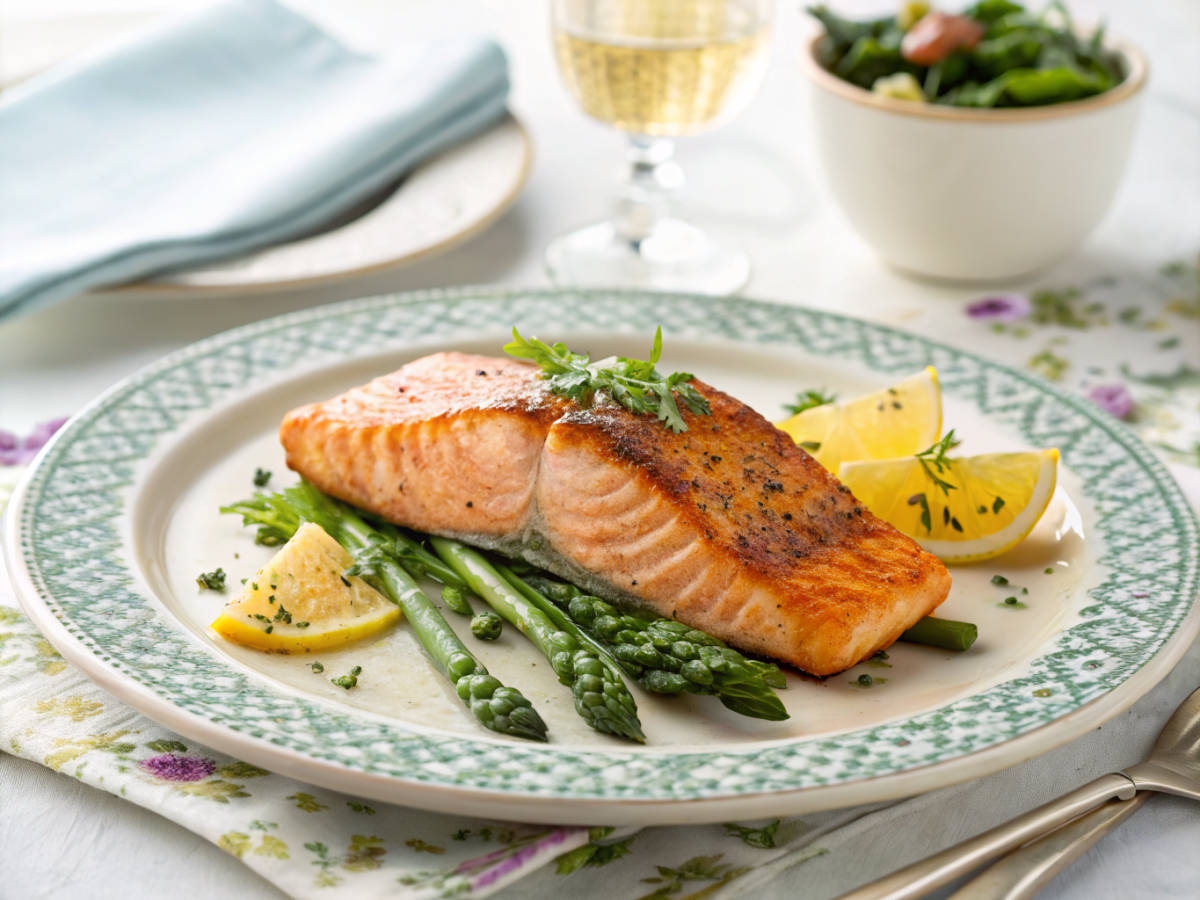
Air Fryer Salmon You'll Want On Repeat
Ingredients
Method
- Pat the salmon fillets dry with paper towels. This helps achieve a better sear and prevents excess moisture in the air fryer.
- Brush both sides of each salmon fillet with olive oil. In a small bowl, mix together garlic powder, paprika, salt, black pepper, and dried parsley. Sprinkle the seasoning mixture evenly over both sides of the salmon fillets.
- Preheat your air fryer to 400 degrees Fahrenheit for 3-5 minutes.
- Place the salmon fillets in the air fryer basket in a single layer, skin-side down if using skin-on salmon. Make sure they are not overlapping to ensure even cooking.
- Air fry at 400 degrees Fahrenheit for 8-10 minutes, depending on the thickness of your fillets. The salmon is done when it reaches an internal temperature of 145 degrees Fahrenheit and flakes easily with a fork.
- Remove the salmon from the air fryer and drizzle with fresh lemon juice. Let rest for 2 minutes before serving.
- Serve immediately with lemon slices on the side and your favorite vegetables or side dishes.
Nutrition
Notes
Tried this recipe?
Let us know how it was!Air Fryer Salmon: 5 Easy Tips for Perfect Results
Cooking salmon in an air fryer transforms this nutritious fish into a crispy-skinned masterpiece that rivals any restaurant preparation. The circulating hot air creates an evenly cooked interior while developing a beautifully caramelized crust on the outside. This cooking method takes less than 15 minutes from start to finish, making it ideal for busy weeknights.
The beauty of air fryer cooking lies in its simplicity and consistency. You don’t need to be an experienced chef to achieve professional results every single time. The controlled temperature and air circulation eliminate the guesswork that often comes with stovetop or oven cooking.
Here are five essential tips that will guarantee success with every batch. First, always pat your salmon fillets completely dry before seasoning to ensure maximum crispiness. Second, don’t overcrowd the air fryer basket—leave space between fillets for proper air circulation.
Third, preheat your air fryer for 3-4 minutes to create an immediate sear when the salmon hits the basket. Fourth, use a meat thermometer to check for an internal temperature of 145°F for perfectly cooked fish. Fifth, let the salmon rest for 2-3 minutes after cooking to allow the juices to redistribute throughout the fillet.
Why You’ll Love This Air Fryer Salmon
This recipe solves the common problem of dry, overcooked salmon that many home cooks struggle with. The air fryer’s precise temperature control ensures your fish stays moist and tender inside while developing that coveted crispy exterior. You’ll never have to worry about timing issues or uneven cooking again.
The speed factor cannot be overstated—from fridge to table in under 20 minutes total. This makes it perfect for those nights when you want something healthy and delicious but don’t have hours to spend in the kitchen. The minimal prep work means less time cooking and more time enjoying your meal with family.
Cleanup is remarkably simple compared to traditional cooking methods. No splattered stovetops, no fishy-smelling kitchen for hours afterward, and no scrubbing baking sheets. A quick wipe of the air fryer basket is usually all that’s needed, and many baskets are even dishwasher safe.
The versatility of this preparation method allows for endless flavor combinations and seasonings. Whether you prefer Asian-inspired glazes, Mediterranean herbs, or simple salt and pepper, the air fryer accommodates all taste preferences. You can easily customize each fillet differently to please everyone at the table.
Health-conscious eaters will appreciate that this cooking method requires minimal added fat. The salmon’s natural oils are sufficient to create a delicious result, though a light brush of olive oil can enhance browning. This means you get all the omega-3 benefits without unnecessary calories from excess cooking oils.
Core Ingredients for Air Fryer Salmon
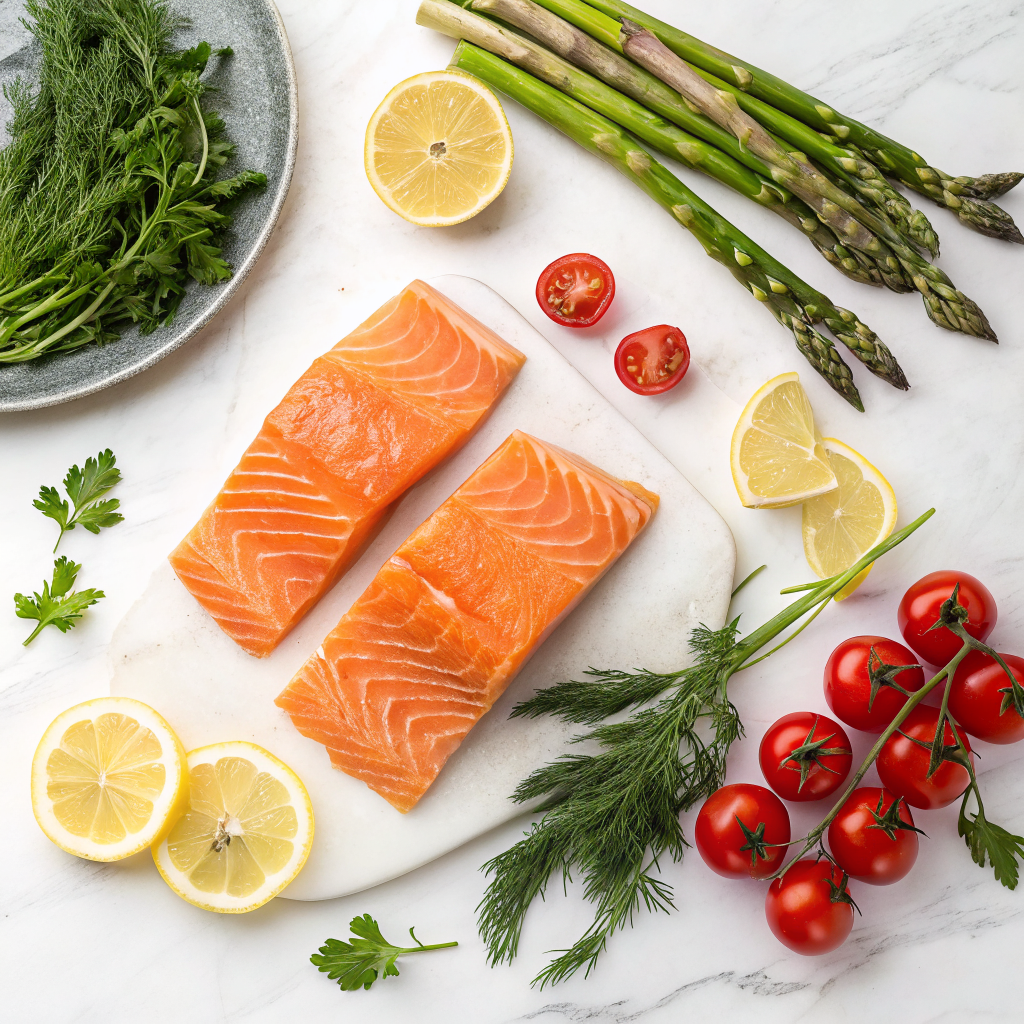
The ingredient list for this recipe is refreshingly simple, focusing on quality over quantity. Fresh or properly frozen and thawed salmon fillets form the foundation of this dish. Look for fillets that are about 1 to 1.5 inches thick for the most consistent cooking results.
Main Ingredients:
- 4 salmon fillets (6 ounces each), skin-on or skinless
- 2 tablespoons olive oil or avocado oil
- 1 teaspoon garlic powder
- 1 teaspoon paprika (smoked or sweet)
- 1 teaspoon onion powder
- 1/2 teaspoon sea salt
- 1/4 teaspoon black pepper
- 1/2 teaspoon dried dill or Italian seasoning
- Fresh lemon wedges for serving
- Fresh parsley for garnish (optional)
When selecting salmon, wild-caught varieties like sockeye or coho offer robust flavor and firmer texture. Farm-raised Atlantic salmon tends to be milder and fattier, which some people prefer for its buttery quality. Either option works beautifully in the air fryer, so choose based on your personal preference and budget.
The spice blend listed above creates a balanced, crowd-pleasing flavor profile that complements rather than overwhelms the fish. Feel free to adjust the ratios to suit your taste preferences or dietary needs. The paprika adds a subtle sweetness and helps with color development during cooking.
Quality olive oil serves multiple purposes in this recipe. It helps the seasonings adhere to the fish, promotes browning, and adds richness to the final dish. If you’re watching your fat intake closely, you can reduce the oil to just 1 tablespoon or use a light spray instead.
How to Make Air Fryer Salmon: Step-by-Step
Step 1: Prepare the Salmon
Remove your salmon fillets from the refrigerator about 15 minutes before cooking to take the chill off. Pat them thoroughly dry with paper towels, paying special attention to the top surface where you’ll apply seasonings. Any excess moisture will prevent proper browning and create steam instead of the desired crispy exterior.
If your fillets have skin, decide whether to leave it on or remove it—both options work well. Skin-on salmon tends to hold together better during cooking and the skin becomes wonderfully crispy. Skinless fillets cook slightly faster and some people prefer the texture without skin.
Step 2: Season Generously
In a small bowl, combine the garlic powder, paprika, onion powder, salt, pepper, and dried herbs. Brush each salmon fillet with olive oil on all sides, ensuring even coverage. Sprinkle the spice mixture over the top and sides of each fillet, pressing gently to help the seasonings adhere.
Don’t be shy with your seasoning—salmon can handle bold flavors. The fish’s natural richness balances well with assertive spices and herbs. For an extra flavor boost, let the seasoned salmon sit for 10 minutes before cooking to allow the spices to penetrate slightly.
Step 3: Preheat the Air Fryer
Set your air fryer to 400°F and let it preheat for 3-4 minutes. This preheating step is crucial for achieving that immediate sear when the salmon hits the basket. A properly preheated air fryer also ensures more consistent cooking times across different models and brands.
Step 4: Arrange and Cook
Lightly spray the air fryer basket with cooking spray to prevent sticking. Place the salmon fillets in the basket skin-side down if using skin-on fillets, leaving at least half an inch of space between each piece. Avoid overlapping or touching, as this prevents proper air circulation.
Cook at 400°F for 7-9 minutes for medium doneness, depending on the thickness of your fillets. Thinner fillets (around 1 inch) will need closer to 7 minutes, while thicker cuts may require the full 9 minutes. There’s no need to flip the salmon during cooking—the air circulation cooks it evenly from all sides.
Step 5: Check for Doneness
The salmon is done when it reaches an internal temperature of 145°F in the thickest part. Insert an instant-read thermometer horizontally into the center of the fillet for the most accurate reading. The fish should flake easily with a fork and appear opaque throughout with a slightly translucent center if you prefer medium doneness.
Visual cues include a lightened color throughout the fillet and white protein (albumin) beginning to appear on the surface. If you prefer your salmon more well-done, cook for an additional 1-2 minutes. Remember that carryover cooking will continue for a minute or two after removal from the air fryer.
Step 6: Rest and Serve
Transfer the cooked salmon to a serving plate and let it rest for 2-3 minutes before serving. This resting period allows the juices to redistribute, resulting in a more moist and flavorful final product. Squeeze fresh lemon juice over the top and garnish with chopped parsley if desired.
Nutrition & Health Benefits
Salmon stands as one of the most nutritionally dense proteins available, packed with omega-3 fatty acids that support heart and brain health. A 6-ounce serving provides approximately 367 calories, 39 grams of protein, and 22 grams of healthy fats. These omega-3s, particularly EPA and DHA, have been linked to reduced inflammation and improved cardiovascular function.
The high protein content makes this an excellent choice for those following high-protein meal plans or looking to build and maintain muscle mass. Protein also promotes satiety, helping you feel fuller longer and potentially supporting weight management goals. The combination of protein and healthy fats creates a balanced macronutrient profile that stabilizes blood sugar levels.
Salmon is an exceptional source of vitamin B12, which is crucial for nerve function and red blood cell formation. It also provides significant amounts of vitamin D, selenium, and niacin. These nutrients work together to support immune function, thyroid health, and energy metabolism throughout your body.
The cooking method matters when it comes to preserving these nutrients. Air frying requires minimal added fat compared to pan-frying, reducing overall calorie content while maintaining the fish’s nutritional integrity. The shorter cooking time also helps preserve heat-sensitive vitamins better than longer cooking methods.
For those monitoring sodium intake, you can easily adjust the salt in this recipe without sacrificing flavor. The natural richness of salmon means it tastes delicious even with minimal seasoning. This makes it suitable for various dietary approaches including low-sodium, keto, paleo, and Whole30 eating plans.
Variations & Substitutions
Flavor Variations:
Create an Asian-inspired version by replacing the spice blend with a mixture of soy sauce, honey, ginger, and sesame oil. Brush this glaze on the salmon before cooking and again during the last 2 minutes for a sticky, caramelized finish. Top with sesame seeds and sliced green onions for authentic presentation.
A Mediterranean twist works beautifully with lemon zest, dried oregano, minced garlic, and a drizzle of quality olive oil. Add crumbled feta cheese and chopped Kalamata olives after cooking for a Greek-inspired meal. Fresh dill and capers also complement this flavor profile wonderfully.
For a spicy kick, create a Cajun seasoning blend with cayenne pepper, thyme, oregano, and extra paprika. Alternatively, brush the salmon with Dijon mustard before applying your seasonings for a tangy, complex flavor. A maple-mustard glaze combining equal parts pure maple syrup and whole grain mustard creates an addictive sweet-savory combination.
Ingredient Substitutions:
If salmon isn’t available or fits your budget, this cooking method works equally well with other fish. Try arctic char, steelhead trout, or even thick cod fillets using the same temperature and timing. Adjust cooking time slightly based on thickness—thinner fish will cook faster.
For the oil component, coconut oil, melted butter, or even mayonnaise can replace olive oil with delicious results. Mayonnaise might sound unusual, but it creates an incredibly moist interior and helps seasonings adhere beautifully. The flavor is subtle and not at all overwhelming.
Fresh herbs can replace dried ones at a ratio of 3:1—use three times as much fresh herb as the dried amount called for. Fresh garlic (about 3 cloves, minced) can substitute for garlic powder for a more pungent, aromatic result. Just be careful not to let fresh garlic burn in the high heat of the air fryer.
For those avoiding certain allergens or following specific diets, this recipe is naturally gluten-free, dairy-free, and low-carb. It fits perfectly into quick and easy meal rotations for busy households. The adaptability makes it suitable for nearly any dietary restriction or preference.
Serving Suggestions
Pair your perfectly cooked salmon with roasted vegetables for a complete, balanced meal. Asparagus, Brussels sprouts, or broccoli roasted at the same temperature work wonderfully alongside the fish. You can even cook some vegetables in the air fryer before the salmon to maximize efficiency.
A fresh green salad with a light vinaigrette provides textural contrast and helps cut through the richness of the fish. Consider adding ingredients like cucumber, cherry tomatoes, avocado, and toasted nuts for variety. A grain-based salad with quinoa, farro, or wild rice adds substance while keeping the meal nutritious.
For a heartier meal, serve the salmon over creamy mashed potatoes, cauliflower mash, or a bed of buttery rice pilaf. The starchy base soaks up any juices from the fish and creates a satisfying, restaurant-quality presentation. Sweet potato wedges or regular potato wedges air-fried separately make an excellent accompaniment.
Consider making this part of your regular dinner recipe rotation by preparing different sides each time. Fresh pasta with olive oil and garlic, sautéed spinach, or roasted cherry tomatoes all complement the fish beautifully. The versatility means you’ll never get bored even if you make this weekly.
For a lighter option, flake the cooked salmon over a Buddha bowl with mixed greens, edamame, cucumber, carrots, and a tahini dressing. This transforms the protein into a completely different meal experience. You can also use leftover salmon in salads, grain bowls, or even salmon cakes the next day.
Don’t forget about sauce options that can elevate your presentation. A simple lemon-butter sauce, dill cream sauce, or tangy tzatziki all pair beautifully with salmon. Homemade tartar sauce, chimichurri, or a balsamic reduction add gourmet touches with minimal effort.
Common Mistakes to Avoid
Overcooking the Fish
The most frequent error when cooking salmon is leaving it in too long, resulting in dry, chalky texture. Salmon continues cooking from residual heat even after removal from the air fryer, so aim for slightly underdone if anything. Remember that 145°F is the USDA recommendation, but many chefs prefer pulling salmon at 125-130°F for a more tender, medium-rare center.
Skipping the Pat-Dry Step
Moisture is the enemy of crispy, well-browned salmon. Failing to thoroughly dry your fillets before seasoning results in steaming rather than roasting. Take the extra 30 seconds to pat every surface completely dry with paper towels—this simple step makes a dramatic difference in the final texture.
Overcrowding the Basket
Cramming too many fillets into your air fryer basket blocks air circulation and leads to uneven cooking. The pieces touching will steam while exposed areas might overcook. Always leave space between fillets, cooking in batches if necessary to maintain quality.
Using Fillets of Different Thicknesses
When cooking multiple pieces simultaneously, ensure they’re similar in thickness for even cooking. A thin tail piece will overcook while a thick center-cut fillet reaches proper doneness. If you must use varying thicknesses, remove thinner pieces earlier or fold thin tail sections under to create more uniform thickness.
Not Preheating the Air Fryer
Starting with a cold air fryer extends cooking time and affects the final texture. The initial blast of high heat when salmon hits a preheated basket creates that desirable sear. This step only takes a few minutes but significantly impacts your results.
Forgetting to Check Your Specific Model
Air fryer models vary considerably in their heating intensity and air circulation patterns. Your first attempt should be monitored closely, checking for doneness a minute or two before the suggested time. Once you know how your specific model performs, you can adjust timing accordingly for future batches.
Storage & Meal Prep Tips
Refrigerator Storage
Cooked salmon stores well in an airtight container in the refrigerator for up to 3 days. Let it cool completely before storing to prevent condensation that can make the fish soggy. Place a paper towel in the container to absorb any excess moisture during storage.
For best results when reheating, use the air fryer again at 350°F for just 3-4 minutes. This refreshes the exterior while gently warming the interior without overcooking. Alternatively, enjoy leftover salmon cold or at room temperature in salads or grain bowls where reheating isn’t necessary.
Freezer Storage
While fresh is always best, you can freeze cooked salmon for up to 2 months if needed. Wrap individual portions tightly in plastic wrap, then place in a freezer-safe bag with as much air removed as possible. Label with the date to track freshness.
Thaw frozen cooked salmon overnight in the refrigerator before reheating. Never refreeze previously frozen and cooked fish, as this significantly degrades texture and quality. Raw salmon freezes better than cooked if you’re planning ahead for future meals.
Meal Prep Strategies
Prepare your spice blend in larger quantities and store in an airtight container for quick seasoning throughout the week. You can also pre-portion and season raw salmon fillets, storing them in the refrigerator for up to 24 hours before cooking. This makes weeknight cooking even faster when you’re short on time.
Consider cooking extra salmon specifically for meal prep purposes. The cooked fish transforms easily into different meals throughout the week—salmon salad, pasta dishes, breakfast scrambles, or Buddha bowls. This variety prevents meal prep boredom while maximizing your cooking efficiency.
If following a structured meal prep routine, cook your salmon on the same day you prepare it rather than cooking it days in advance. Freshly cooked fish tastes significantly better than fish that’s been refrigerated for several days. The texture remains more appealing when consumed within 1-2 days of cooking.
Final Thoughts on Air Fryer Salmon
Mastering Air Fryer Salmon opens up a world of quick, healthy, and delicious meal possibilities that fit seamlessly into any lifestyle. The technique is forgiving enough for beginners yet produces results that satisfy even experienced home cooks. Once you’ve perfected the basic method, experimentation with different seasonings and accompaniments keeps meals interesting and exciting.
The convenience factor cannot be overstated—having a reliable protein that cooks in under 10 minutes is invaluable for busy households. This recipe eliminates the intimidation factor that often surrounds cooking fish at home. The consistent results build confidence and encourage more frequent fish consumption, which benefits overall health.
Investing time in learning this technique pays dividends in your weekly meal planning and preparation. The versatility means you’ll never tire of this preparation method, as endless variations keep your palate engaged. Whether you’re cooking for one or feeding a family, this method scales beautifully to meet your needs.
The combination of speed, simplicity, and superior results makes this cooking method a true game-changer. You’ll find yourself reaching for salmon more frequently once you realize how effortlessly you can prepare it. This becomes one of those recipes you’ll make on repeat, tweaking and personalizing it to suit your evolving tastes and preferences.
Frequently Asked Questions
Do I need to flip salmon in the air fryer?
No, you don’t need to flip your salmon during cooking. The air fryer’s circulation cooks the fish evenly from all sides, making flipping unnecessary. Simply place your Air Fryer Salmon in the basket and let the appliance do all the work for perfectly cooked results.
What temperature should I cook salmon in the air fryer?
The ideal temperature for cooking salmon is 400°F, which creates a nicely browned exterior while keeping the interior moist. This temperature works for most fillet thicknesses and produces consistent results. Some people prefer 375°F for a gentler cook, but 400°F delivers the best texture for Air Fryer Salmon.
How do I know when my air fryer salmon is done?
The most reliable method is using an instant-read thermometer to check for an internal temperature of 145°F. Visually, the salmon should be opaque throughout and flake easily with a fork. The flesh will have lightened in color and may show some white protein on the surface when fully cooked.
Can I cook frozen salmon in the air fryer?
Yes, you can cook frozen salmon directly in the air fryer, though it requires adjustments. Add 5-7 minutes to the cooking time and increase the temperature slightly to 425°F. For best results with Air Fryer Salmon, thaw the fish completely first, as this allows for better seasoning adhesion and more even cooking throughout the fillet.
For more culinary inspiration, visit AllRecipes.

focuses on smoothies, detox drinks, and mindful eating.