
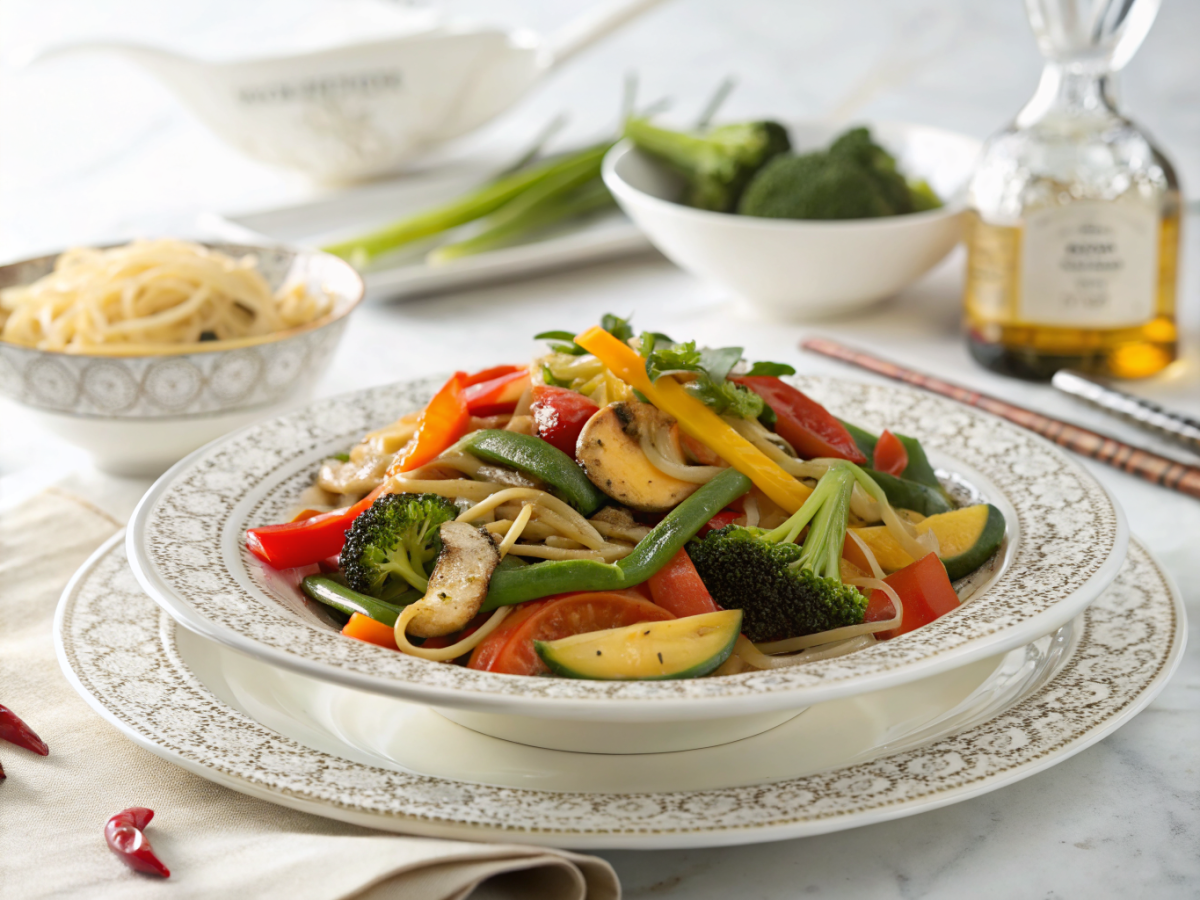
Easy Budget Dinner Vegetable Stir Fry
Ingredients
Method
- In a small bowl, whisk together soy sauce, cornstarch, and water until smooth. Set aside.
- Heat vegetable oil in a large wok or skillet over high heat until shimmering.
- Add broccoli and carrots to the hot wok. Stir fry for 3-4 minutes until slightly tender but still crisp.
- Add bell pepper, snap peas, and minced garlic. Continue stir frying for another 2-3 minutes, stirring constantly.
- Pour the prepared sauce over the vegetables and toss everything together until well coated.
- Cook for 1-2 more minutes until the sauce thickens and coats the vegetables evenly.
- Remove from heat and serve immediately over rice or noodles if desired.
Nutrition
Notes
Tried this recipe?
Let us know how it was!Budget Dinner Vegetable Stir Fry: 5 Easy Tips for Perfect Results
Creating the perfect stir fry starts with understanding a few key techniques that elevate your dish from ordinary to extraordinary. The secret lies in high heat, proper preparation, and timing your ingredients correctly. These five tips will ensure your vegetables stay crisp and your sauce coats everything beautifully.
First, always prep all your ingredients before you start cooking, as stir frying moves quickly once you begin. Cut vegetables into uniform sizes to ensure even cooking throughout the dish. Keep your wok or large skillet screaming hot to achieve that characteristic restaurant-style sear.
Second, don’t overcrowd your pan, which causes vegetables to steam rather than sear. Cook in batches if necessary to maintain high heat and achieve proper caramelization. This technique creates those delicious browned edges that add depth of flavor.
Third, add vegetables in stages based on cooking time, starting with the hardest vegetables first. Carrots and broccoli need more time than bell peppers and snap peas. This layered approach ensures everything finishes cooking at the same moment.
Fourth, make your sauce ahead and have it ready to pour when your vegetables are nearly done. The sauce should only cook for 30-60 seconds to thicken and coat the vegetables. Overcooking the sauce can make it gummy and too thick.
Fifth, finish with fresh aromatics like garlic and ginger in the last minute of cooking. Adding them too early burns these delicate ingredients and creates bitter flavors. A final toss with sesame oil adds restaurant-quality shine and flavor.
Why You’ll Love This Budget Dinner Vegetable Stir Fry
This recipe checks all the boxes for modern home cooking: it’s fast, healthy, economical, and incredibly versatile. You can use whatever vegetables are on sale or lingering in your crisper drawer. The flexibility means you’ll never get bored with this dinner staple.
The cost per serving is remarkably low, often under $2 per person when you buy vegetables in season. Compared to takeout or processed convenience foods, this homemade version saves money while delivering superior nutrition. You control the sodium, sugar, and oil content for a healthier meal.
Cleanup is minimal with this one-pan wonder that creates less kitchen chaos than elaborate recipes. A single wok or large skillet does all the work, leaving you with just one main dish to wash. This efficiency makes it perfect for those nights when you’re too tired for complicated cooking.
The vibrant colors and textures make this dish visually appealing, which matters when you’re trying to eat more vegetables. Kids and picky eaters often respond better to stir fries than plain steamed vegetables. The savory sauce makes healthy eating feel like a treat rather than a chore.
This recipe easily scales up or down depending on how many people you’re feeding. Double or triple the recipe for meal prep, or cut it in half for solo dining. Leftovers reheat beautifully and actually taste even better the next day as flavors meld together.
Core Ingredients for Budget Dinner Vegetable Stir Fry
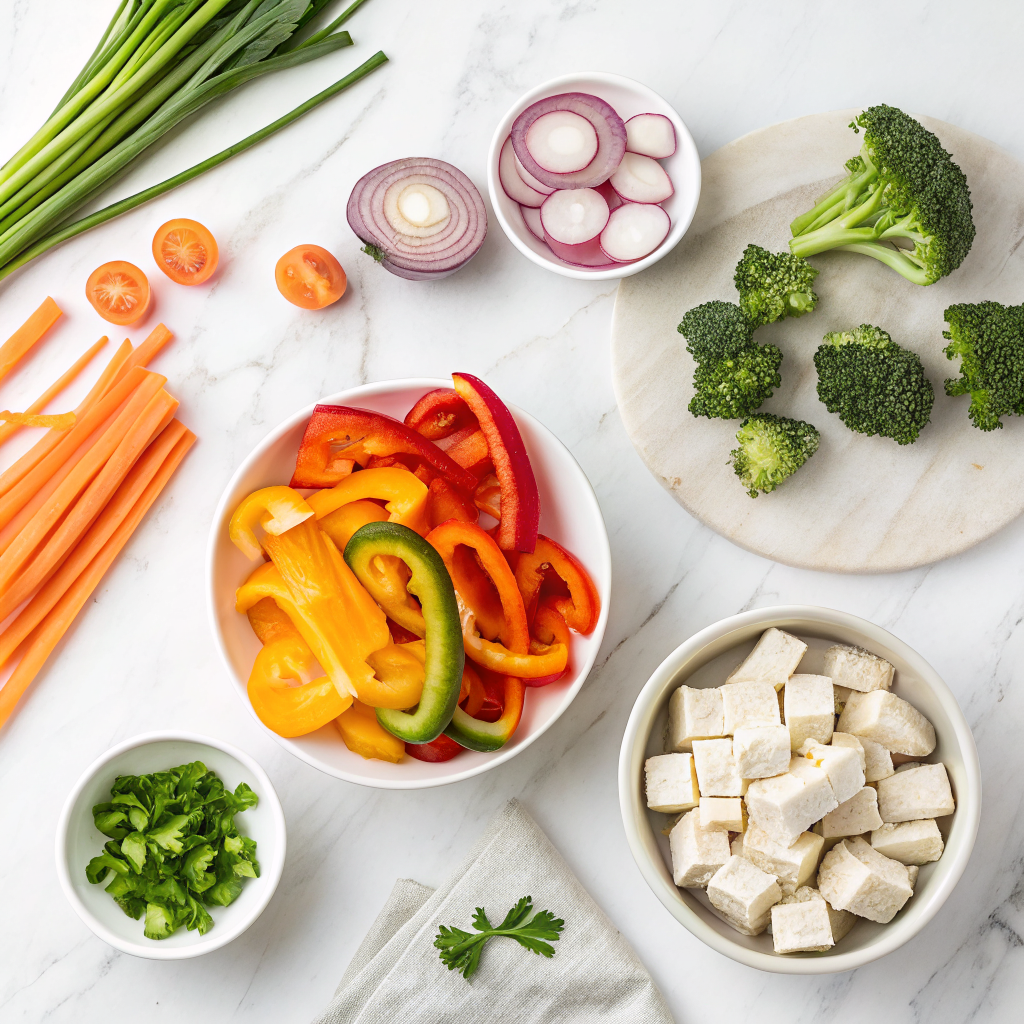
The beauty of this recipe lies in its adaptability, but certain core ingredients create the foundation for success. Fresh vegetables form the bulk of the dish, providing nutrition, color, and texture. Choose a rainbow of options for maximum visual appeal and nutritional diversity.
Essential Vegetables
Broccoli florets provide substantial texture and are incredibly budget-friendly, especially when purchased whole rather than pre-cut. Carrots add natural sweetness and a satisfying crunch that holds up well to high heat. Bell peppers in red, yellow, or orange contribute vibrant color and a slight sweetness that balances savory elements.
Snap peas or snow peas bring a fresh, crisp element that screams stir fry authenticity. Onions form the aromatic base that supports all other flavors in the dish. Cabbage is an underrated addition that adds bulk and nutrition for pennies per serving.
Mushrooms contribute an umami depth and meaty texture that makes the dish more satisfying. Baby corn and water chestnuts add interesting textures, though they’re optional based on budget and availability. Fresh bean sprouts make an excellent last-minute addition for authentic Asian restaurant flavor.
Sauce Components
Soy sauce or tamari forms the salty, umami-rich base of your stir fry sauce. A touch of honey or brown sugar balances the saltiness and helps create caramelization. Rice vinegar adds brightness and prevents the sauce from tasting flat or one-dimensional.
Cornstarch mixed with water creates a slurry that thickens the sauce to coat vegetables perfectly. Sesame oil added at the end provides that distinctive nutty aroma associated with Asian cuisine. Garlic and fresh ginger are non-negotiable for authentic flavor that can’t be replicated with powders.
Cooking Essentials
A neutral high-heat oil like vegetable, canola, or peanut oil is essential for proper stir frying. Olive oil has too low a smoke point and will burn at stir fry temperatures. You’ll need about 2-3 tablespoons of oil for a typical batch serving four people.
Optional garnishes include sesame seeds, sliced green onions, and red pepper flakes for heat. Cooked rice or noodles make this a complete meal, though the stir fry is delicious on its own. If you’re looking for more quick and easy meal ideas, this recipe fits perfectly into that category.
How to Make Budget Dinner Vegetable Stir Fry: Step-by-Step
Success with stir frying comes from organization and speed, so having everything prepared before you turn on the heat is crucial. This cooking method, called “mise en place” by professional chefs, eliminates stress and ensures perfect results. Follow these detailed steps for restaurant-quality stir fry at home.
Preparation Phase
Begin by washing and thoroughly drying all your vegetables, as excess water will cause splattering and steaming. Cut broccoli into bite-sized florets, ensuring the stems are also sliced thinly for even cooking. Peel and slice carrots on the diagonal into thin ovals that cook quickly and look elegant.
Slice bell peppers into strips about 1/4 inch wide, removing all seeds and white membrane. Cut onions into wedges or thick slices that will hold together during cooking. Mince garlic finely and grate fresh ginger on a microplane or chop it extremely fine.
In a small bowl, whisk together 3 tablespoons soy sauce, 1 tablespoon rice vinegar, 1 tablespoon honey, and 1 teaspoon sesame oil. In another small bowl, mix 1 tablespoon cornstarch with 2 tablespoons cold water until smooth. Have both bowls ready near your cooking station along with all your prepped vegetables.
Cooking Process
Heat your wok or largest skillet over high heat for 2-3 minutes until a drop of water immediately sizzles and evaporates. Add 2 tablespoons of neutral oil and swirl to coat the bottom and partially up the sides. Wait 30 seconds for the oil to shimmer and just begin to smoke lightly.
Add carrots and broccoli first, as these harder vegetables need the most cooking time. Stir constantly for 2-3 minutes, allowing some pieces to char slightly for flavor. Add onions and bell peppers next, continuing to stir and toss for another 2 minutes.
Push vegetables to the sides of the pan, creating a well in the center. Add a small drizzle of oil to the center and immediately add minced garlic and ginger. Stir these aromatics for just 15-20 seconds until fragrant but not browned.
Add any quick-cooking vegetables like snap peas, mushrooms, or cabbage at this point. Toss everything together vigorously for 1-2 minutes until just tender-crisp. Vegetables should still have a slight crunch and vibrant color.
Pour the sauce mixture over the vegetables and toss to coat everything evenly. Stir the cornstarch slurry one more time and add it to the pan. Continue stirring for 30-60 seconds as the sauce thickens and becomes glossy, coating all the vegetables beautifully.
Remove from heat immediately and transfer to a serving dish to prevent overcooking from residual heat. Garnish with sesame seeds and sliced green onions if desired. Serve immediately over rice, noodles, or quinoa for a complete meal.
Nutrition & Health Benefits
This vegetable-forward dish packs an impressive nutritional punch while remaining low in calories and high in fiber. A typical serving contains around 150-200 calories depending on the amount of oil used and the specific vegetables chosen. The high fiber content promotes digestive health and keeps you feeling full longer.
Vegetables provide an array of vitamins, minerals, and antioxidants that support overall health and disease prevention. Broccoli and bell peppers are excellent sources of vitamin C, which supports immune function and skin health. Carrots deliver beta-carotene, which the body converts to vitamin A for eye health and immune support.
The variety of colorful vegetables ensures you’re getting different phytonutrients that work synergistically for optimal health. Cruciferous vegetables like broccoli and cabbage contain compounds that may help reduce cancer risk. The garlic and ginger provide anti-inflammatory benefits that support heart health and reduce inflammation.
This dish is naturally low in saturated fat and contains no cholesterol when prepared without animal products. The small amount of healthy fats from cooking oil helps your body absorb fat-soluble vitamins from the vegetables. Using reduced-sodium soy sauce keeps the sodium content reasonable, especially compared to restaurant versions.
For those managing blood sugar, this recipe has a low glycemic load when served with brown rice or cauliflower rice. The high fiber content slows digestion and prevents blood sugar spikes. This makes it an excellent choice for those with diabetes or anyone watching their carbohydrate intake.
According to Harvard’s School of Public Health nutrition guidelines, eating a variety of colorful vegetables daily reduces chronic disease risk significantly. This stir fry makes it easy and delicious to meet those recommendations. The combination of nutrients supports everything from bone health to cognitive function.
Variations & Substitutions
The flexible nature of stir fry means you can adapt this recipe to accommodate dietary restrictions, preferences, or simply what’s available. Experimentation keeps the recipe interesting and prevents dinner boredom. Here are numerous ways to customize this dish while maintaining its essential character.
Protein Additions
Transform this side dish into a complete main course by adding your choice of protein. Cubed firm tofu, pressed and pan-fried until golden, adds plant-based protein and a satisfying texture. Tempeh, sliced thinly and marinated, offers a nutty flavor and firmer bite than tofu.
Chicken breast or thighs, sliced thinly against the grain, cook quickly and pair beautifully with the vegetables. Shrimp cooks in just 2-3 minutes and adds a luxurious seafood element without much cost. Thinly sliced beef or pork creates a heartier version perfect for hungry appetites.
Edamame or chickpeas stirred in during the last minute add protein and fiber without requiring separate cooking. A fried or soft-boiled egg on top transforms this into a satisfying breakfast-for-dinner option. For more protein-packed meal ideas, check out these high-protein recipe options.
Vegetable Swaps
Zucchini and summer squash work beautifully when other vegetables are expensive or out of season. Asparagus adds elegance and a slightly bitter note that complements the sweet sauce. Green beans provide a satisfying snap and hold their shape well during cooking.
Bok choy or other Asian greens add authenticity and cook down significantly, allowing you to pack in more vegetables. Cauliflower florets are an excellent substitute for or addition to broccoli with a milder flavor. Frozen vegetable medleys work in a pinch, though fresh vegetables provide superior texture.
Sauce Variations
Create a spicy version by adding sriracha, sambal oelek, or red pepper flakes to the sauce. A Thai-inspired version uses fish sauce instead of some soy sauce and adds lime juice and basil. Teriyaki-style sauce incorporates more sweetness with additional honey or maple syrup.
For a Chinese takeout flavor, add a tablespoon of hoisin sauce and a splash of Chinese cooking wine. Peanut or almond butter whisked into the sauce creates a rich, creamy coating reminiscent of satay. Coconut aminos can replace soy sauce for a soy-free, slightly sweeter alternative.
Dietary Modifications
Make this gluten-free by using tamari or coconut aminos instead of regular soy sauce. For a lower-carb version, serve over cauliflower rice or shirataki noodles instead of regular rice. A completely oil-free version is possible by using vegetable broth for sautéing, though the texture will differ slightly.
Increase the nutritional density by adding leafy greens like spinach or kale in the last minute of cooking. Nutritional yeast sprinkled on top adds a cheesy flavor and B vitamins for vegan diets. Fresh herbs like cilantro, Thai basil, or mint stirred in at the end add brightness and complexity.
Serving Suggestions
While this stir fry is delicious on its own, pairing it with complementary sides creates a more satisfying and complete meal. The right accompaniments balance textures and flavors while adding variety to your plate. Consider these serving options to round out your dinner.
Grain and Noodle Pairings
Steamed white or brown rice is the classic accompaniment that soaks up the flavorful sauce perfectly. Fried rice transforms this into an even more substantial meal with added texture and flavor. Quinoa offers a protein boost and nutty flavor that pairs wonderfully with the vegetables.
Rice noodles or lo mein noodles tossed with a bit of sesame oil create a restaurant-style presentation. Soba noodles made from buckwheat add an earthy flavor and are naturally gluten-free if you choose 100% buckwheat versions. Cauliflower rice keeps the meal light and low-carb while adding another serving of vegetables.
Side Dishes
Spring rolls or summer rolls filled with fresh vegetables and herbs complement the cooked stir fry beautifully. Miso soup provides a warming, probiotic-rich starter that’s light yet satisfying. A simple cucumber salad with rice vinegar dressing adds cooling crunch and acidity.
Steamed edamame sprinkled with sea salt makes an easy, protein-rich side that requires minimal effort. Seaweed salad adds umami depth and interesting texture contrast. For a heartier spread, consider adding items from your collection of dinner recipe favorites.
Garnishes and Toppings
Toasted sesame seeds add nutty flavor and visual appeal with minimal effort or cost. Sliced green onions provide fresh, sharp flavor and beautiful color contrast. Crushed peanuts or cashews contribute richness and satisfying crunch.
Fresh cilantro leaves brighten the dish and add herbaceous notes that cut through richness. A lime wedge squeezed over the top just before eating adds brightness and acidity. Crispy fried shallots or garlic chips create textural interest and intense flavor.
Common Mistakes to Avoid
Even simple recipes can go wrong without proper technique and attention to detail. Understanding these common pitfalls helps you achieve perfect results every time you make stir fry. Learn from these mistakes so your vegetables stay crisp and your sauce stays glossy.
Temperature and Timing Errors
The most common mistake is using insufficient heat, which causes vegetables to steam and become soggy rather than sear. Your pan must be screaming hot before you add any ingredients for proper caramelization. If you can hold your hand 6 inches above the pan comfortably, it’s not hot enough yet.
Overcooking vegetables turns them mushy and dull in color, destroying both texture and nutritional value. Vegetables should retain a slight crunch and vibrant color when finished cooking. Remember that carryover cooking continues after you remove the pan from heat.
Adding garlic and ginger too early burns these delicate aromatics and creates bitter, acrid flavors. These ingredients need only 15-20 seconds of cooking time to release their fragrance. Always add them near the end of the cooking process for the best flavor.
Preparation Mistakes
Cutting vegetables in vastly different sizes leads to uneven cooking with some pieces raw and others overdone. Take the extra time to cut everything uniformly for consistent results. Smaller pieces cook faster, so adjust sizes based on the vegetable’s density.
Wet vegetables cause dangerous splattering and prevent proper browning by creating steam. Always dry vegetables thoroughly after washing, especially if using frozen vegetables that have been thawed. Excess moisture dilutes your sauce and prevents that desirable sear.
Failing to prep all ingredients before cooking leads to burnt garlic and overcooked vegetables while you’re still chopping. Stir frying happens fast, and you won’t have time to prepare ingredients once cooking begins. Have everything measured, chopped, and within arm’s reach before heating the pan.
Sauce Issues
Making the sauce too thick results in a gloppy coating that tastes like cornstarch rather than savory goodness. The sauce should lightly coat vegetables with a glossy sheen, not create a thick gravy. If your sauce is too thick, thin it with a tablespoon of water or broth.
Adding sauce too early causes it to reduce too much and become sticky or burnt. Pour sauce over vegetables only when they’re nearly done, cooking it just long enough to thicken. The entire sauce-cooking process should take less than one minute.
Forgetting to stir the cornstarch slurry before adding it results in lumps that won’t dissolve. Cornstarch settles quickly to the bottom of the bowl, so always give it a quick stir immediately before pouring. This ensures smooth, lump-free sauce every time.
Storage & Meal Prep Tips
Proper storage extends the life of your stir fry and makes meal planning throughout the week much easier. This recipe is ideal for batch cooking and meal prep strategies. Follow these guidelines to maintain quality and food safety while maximizing convenience.
Refrigeration Guidelines
Allow stir fry to cool to room temperature before transferring to airtight containers for refrigeration. Store in the refrigerator for up to 4 days, keeping the vegetables and rice separate if possible for best texture. Glass containers prevent staining and don’t absorb odors like plastic can.
Reheat only the portion you plan to eat rather than reheating the entire batch multiple times. Use a skillet over medium-high heat for best results, adding a splash of water or broth to refresh the sauce. Microwave reheating works but produces softer vegetables with less appealing texture.
The vegetables will soften slightly during storage, but proper initial cooking with a slight crunch helps maintain texture. Avoid storing for longer than 4 days, as vegetables begin to break down and develop off flavors. When in doubt, trust your senses—if it smells or looks off, discard it.
Freezing Instructions
While technically possible, freezing stir fry isn’t ideal as vegetables become mushy and watery when thawed. If you must freeze, slightly undercook vegetables and freeze in portion-sized containers for up to 2 months. Thaw overnight in the refrigerator rather than at room temperature for food safety.
Freeze sauce separately from vegetables for better texture results when reheating. Bell peppers and onions freeze better than broccoli or snap peas, which become quite soft. Consider freezing just the sauce and preparing fresh vegetables when you’re ready to eat.
Meal Prep Strategies
Prep all vegetables on Sunday and store them in separate containers in the refrigerator for quick weeknight cooking. Pre-cut vegetables stay fresh for 3-4 days when stored properly in airtight containers. This cuts your cooking time down to just 10 minutes on busy evenings.
Mix the sauce in advance and store it in a jar in the refrigerator for up to one week. Shake well before using as ingredients may separate during storage. Having sauce ready eliminates one more step during hectic dinner preparation.
Cook large batches and portion into individual containers with rice for grab-and-go lunches throughout the week. Label containers with dates to track freshness and ensure food safety. Pair with different sides throughout the week to prevent meal fatigue.
According to USDA food safety guidelines for proper storage, cooked vegetables should be refrigerated within two hours of cooking. Following proper food safety protocols prevents foodborne illness and extends the usable life of your meals. Always reheat leftovers to 165°F for safety.
Final Thoughts on Budget Dinner Vegetable Stir Fry
This Budget Dinner Vegetable Stir Fry represents everything great about home cooking: it’s economical, healthy, quick, and endlessly adaptable to your preferences. Mastering this basic technique opens up countless possibilities for creating delicious meals from whatever vegetables you have on hand. The skills you develop making this recipe translate to numerous other dishes.
The beauty of this recipe lies in its simplicity and flexibility, making it accessible for beginners while remaining satisfying for experienced cooks. You don’t need expensive ingredients or specialized equipment to create restaurant-quality results at home. A hot pan, fresh vegetables, and a simple sauce are all it takes to create something truly delicious.
By incorporating this Budget Dinner Vegetable Stir Fry into your regular rotation, you’ll save money, reduce food waste, and eat more vegetables effortlessly. The recipe empowers you to be creative with seasonal produce and sale items from your grocery store. This approach to cooking reduces stress while improving your diet and your budget simultaneously.

creates quick vegetarian dinners and vibrant taco recipes.